
Seasonal care
November's Pruning Decisions Are Really Next Spring's Flowers in Disguise
November brings the first regular frosts, short days and soggy ground. The jobs that matter now are planting bare-root stock and tulips, protecting pots, staying off frozen grass and checking bonfires for hedgehogs.
By the Aspen Rose team6 min read
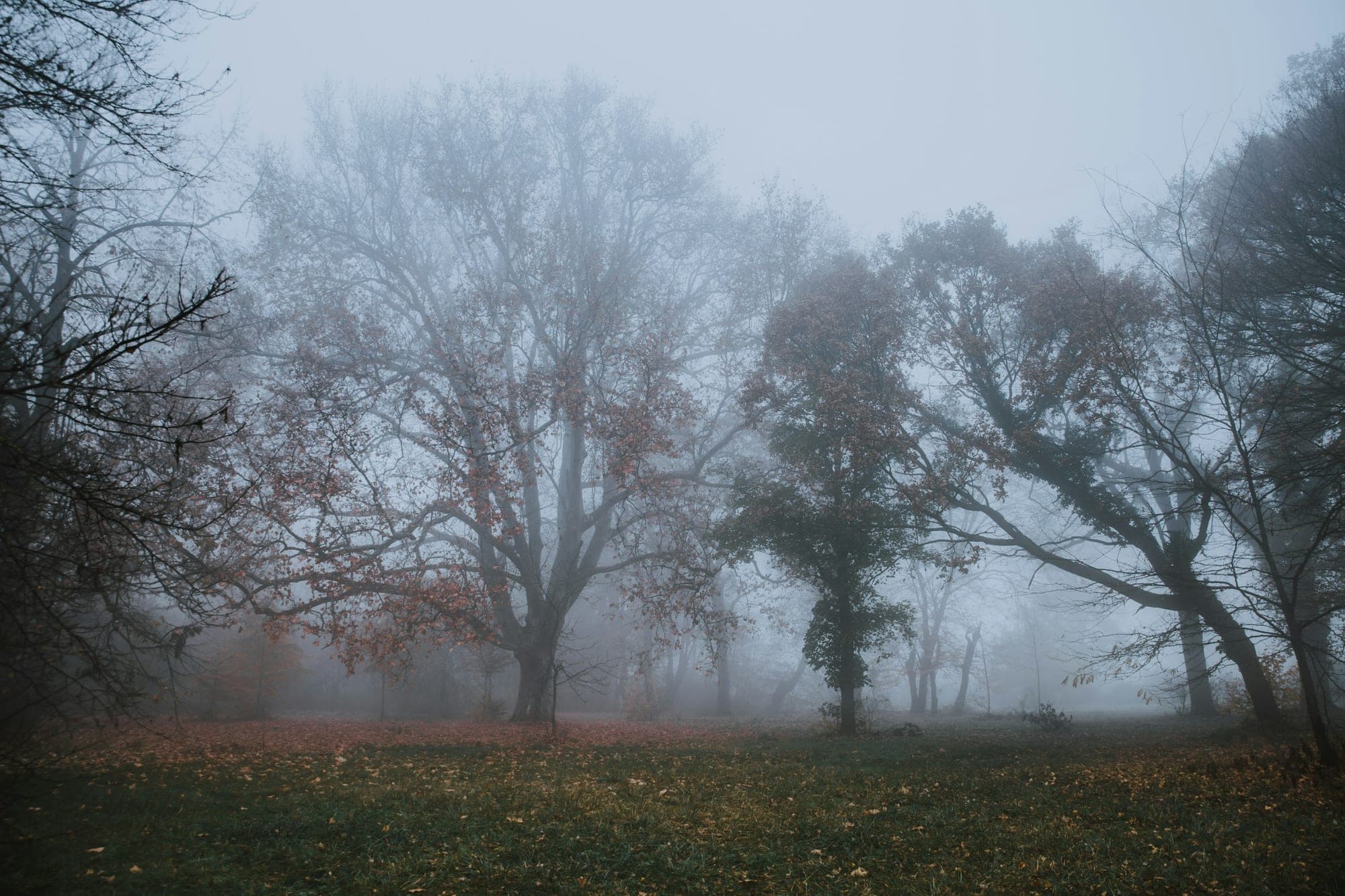
The Met Office's 1991 to 2020 averages for Hampstead in north London show why November feels like a different month from October. Daytime highs drop to 10.6°C, nights to 5.0°C, and air frost averages 2.4 days, up from a third of a day in October. Sunshine falls to 67 hours, about a third of July's, and there are still 76 mm of rain. The job list is short and weather-led, and the most consequential decisions this month are about what you leave the secateurs alone for, not what you cut. For the wider winter checklist, see how to prepare your garden for winter.
What should you plant in November?
Tulips go in now. The RHS lists November as the month to plant tulip bulbs, and notes that some varieties return each year while others perform poorly after the first season and suit replanting as bedding.
Bare-root hedging, trees, shrubs and roses are in the garden centres now too. The RHS says to plant them promptly before they dry out, and that if the ground is waterlogged or frozen the roots can be heeled into soil temporarily. Avoid planting a rose where roses grew before, because of replant disease. It adds that trees or shrubs more than a couple of years old are hard to move, so replacing them is often better.
How should you look after the lawn in November?
Mow only in mild weather above 7°C, and with the blades about 5 mm higher than in summer. Keep off frosty grass: the RHS says walking on it can brown the blades and leave footprints for weeks.
Rake leaves off the lawn so they do not cut off light and moisture. Should you leave leaves on your lawn explains the trade-offs.
If the lawn is waterlogged, the RHS says to spike it with a fork and brush in a mix of sharp sand and loam. Re-cut the edges with a half-moon tool, leaving a gutter about 8 cm deep to stop grass creeping into the border. If you want to sow seed, the RHS says early November is fine, but in cold areas to wait for March or April. Its October lawn page adds that soil needs to be at least 7°C for seed to germinate well.
What needs protecting from frost?
Raise containers on pot feet or bricks so they do not sit in water, and wrap large tubs that might crack with bubble wrap, hessian or fleece. Move tender plants into a greenhouse or conservatory. Lift dahlias, cannas and tuberous begonias once frost has hit the foliage.
Borderline-hardy plants such as agapanthus, kniphofia and phygelius benefit from an autumn mulch. The RHS also says to mulch clay soil now, when it is workable but not waterlogged, to help maintain its structure. Our mulching of flowerbeds service can do this, and how to mulch flower beds explains it.
Newly planted trees and shrubs need shelter too. The RHS suggests a dead hedge or netting windbreak, and straw or bracken packed around deciduous plants to protect them from frost.
What should you check before lighting a bonfire?
For Bonfire Night, hedgehogs. The RHS says they hibernate from about October or November until March or April, and tend to nest near the bottom centre of a bonfire pile. Hedgehog Street says frightened hedgehogs curl up and do not flee, so they may not escape once it is lit.
- Build the pile on the day you light it.
- If it is already built, take it apart, move it and rebuild it, checking every part.
- Light it from a single corner so small animals have a way out.
- Large or commercial bonfires should have a hedgehog-proof fence around them until they are lit.
The RHS lists a bonfire as an option for debris that cannot be composted, where it is permitted, and suggests a habitat pile or dead hedge as a longer-lasting hedgehog home. Check the rules in can you burn garden waste first.
What should you leave alone?
This is where next spring's flowering is actually decided. Do not prune evergreens, tender plants, or ornamental cherries, plums and almonds now. The RHS says Prunus species are prone to silver leaf if pruned in autumn or winter, and a diseased branch does not blossom. Deciduous trees, shrubs and hedges such as beech, hazel and hornbeam can be pruned during the dormant season, but bush roses need only about a third taken off to limit wind rock, with full pruning held back for February or March, when it actually shapes next year's blooms.
On perennials, the RHS gives mixed signals: cut faded ones down and compost them, or leave the stems for wildlife and tidy in March. Leave them if you want the winter shelter.
If you would like help with clearing and tidying before winter sets in, our garden maintenance service covers that, and we take the green waste away. A free visit comes first, followed by a written quote. Previous month: October. Next: December.
Sources
- Met Office: Hampstead climate averages, 1991 to 2020
- RHS: November jobs
- RHS: November lawns
- RHS: October lawns
- RHS: November flowers
- RHS: November trees and shrubs
- RHS: December trees and shrubs
- RHS: Hedgehog-friendly gardening
- Hedgehog Street: Bonfire night safety
- RSPB: Birds' nests and nestboxes
This reflects our own read of what matters most in London and Hertfordshire gardens this month, not a guaranteed task list for yours. Frost timing varies year to year, so use it as a guide — get in touch if you'd like a hand with any of it.
November garden questions
When is the first frost in London?
It varies from year to year, and the Met Office averages give no first-frost date. For Hampstead, 1991 to 2020, the average is a third of a day of air frost in October, 2.4 days in November and 7.7 in December. Frost in November is possible but not certain.
Who do I call about an injured hedgehog?
Hedgehog Street gives 01584 890801 for hedgehog welfare, injuries or illness, and the RHS names it as the British Hedgehog Preservation Society's number. The RHS adds that a hedgehog seen out in daylight may be in trouble even if it looks healthy, so it is worth a call.
Can I still cut a hedge in November?
Yes, for deciduous hedges such as beech, hazel and hornbeam, which the RHS says can be pruned through the dormant season. Evergreens and Prunus are different, and the RHS says to wait until spring for them. The RSPB also advises cutting only between 1 September and 28 February.
Related services
- Garden MaintenanceRegular garden maintenance across London and Hertfordshire — mowing, pruning, weeding and seasonal care from an experienced team. Get a free quote.
- Mulching of FlowerbedsProfessional flowerbed mulching across London and Hertfordshire — weed suppression, moisture retention and a neat, finished look. Get a free quote.
More from the blog
All articles →
Want a hand with your garden?
Tell us what you have in mind and we'll arrange a free, no-obligation visit and quote.
Free, no-obligation visit · Mon – Fri: 9:00 – 18:30