
Seasonal care
The Biggest Winter Garden Mistake Happens in Autumn, Not December
Do the jobs a frost can ruin first: tender plants, pots, drainage and loose structures. Then clear leaves, mulch from November, service your tools, and leave some mess for wildlife.
By the Aspen Rose team6 min read
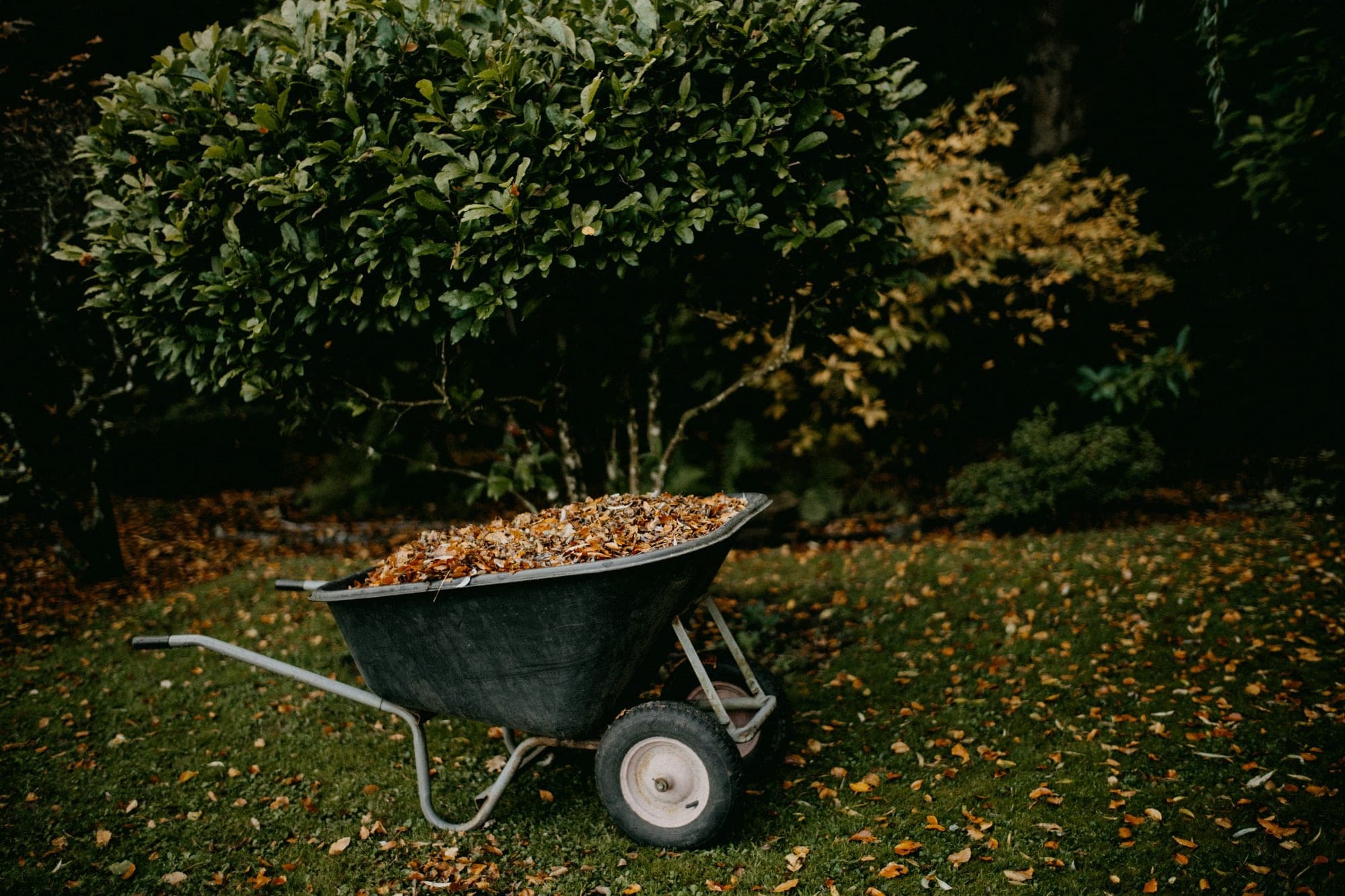
Most winter garden damage is decided in autumn, not on the cold night itself. A tender plant left out on the wrong night is lost by the time December arrives to take the blame. A border cut back in November instead of March, by contrast, is not a problem at all. Autumn jobs differ hugely in how much it matters when you do them, and this list runs in that order: first what a frost or storm can ruin if you wait, then what suits the weather in the coming weeks, then what to leave alone on purpose.
What should you do before the first frost?
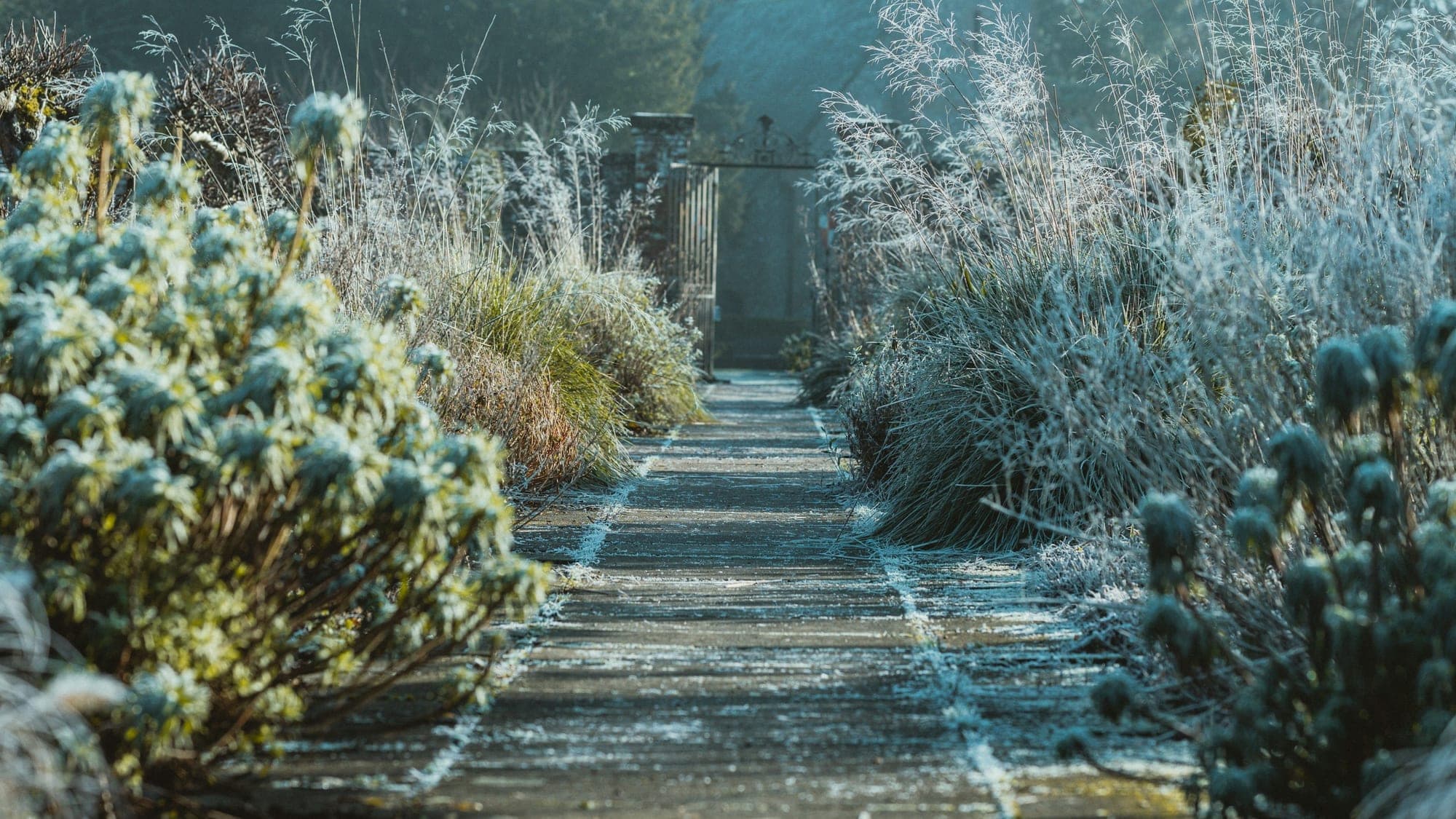
This is the job that decides whether tender plants survive the winter, and it has to happen before the frost, not after. Look after tender plants and pots first, because the RHS says protective wrappings should go on at the first sign of frost, which it puts usually between September and November.
- Tender plants: move them under cover, or wrap them where they stand. Dahlias and cannas are lifted after the first frost blackens the foliage. The detail is in how to protect plants from frost.
- Pots: group them in a dry, sheltered spot and wrap them in bubble polythene or straw, which the RHS recommends to stop the roots freezing.
- Camellias and early magnolias: the RHS says rapid thawing of frozen buds in morning sun causes blackening and bud drop, so move potted ones out of the morning sun.
- Late feeding: skip high-nitrogen fertiliser. The RHS warns it encourages soft growth that frost damages.
How do you deal with drainage and wind?
Fix drainage problems and loose structures in autumn, because the RHS says wet soil makes young or shallow-rooted trees more likely to blow over in wind.
Walk the garden after heavy rain and note where water stands. If a patch stays wet for days, read how to fix a waterlogged garden before winter sets in. Then check fence panels, posts, shed roofs and trellis, and re-fix anything loose. The RHS notes that a fence that is about 50% wind permeable reduces gusting and shaking compared with a solid one. If snow builds on branches, it suggests shaking it off.
What do you do about fallen leaves?
Rake leaves off the lawn, because the RHS says they smother the grass by blocking light and moisture, and grass keeps growing above 7°C. Leaves under hedges can stay.
- Lawn and paths: rake regularly, or collect them with a rotary mower, which the RHS says shreds them and hastens rotting, then add them to a leaf bin. We cover the lawn question in should you leave leaves on your lawn.
- Gutters and drains: a Greater London Authority post (2016) advises checking gutters and downpipes for blockages, because leaves washing into drains slow drainage and raise surface water flooding risk. It also says not to compost leaves scooped from roadside drains, because oil or chemicals may be on them.
- Leafmould: the RHS says most leaves take about two years to break down, but leafmould less than two years old can be used as mulch.
When should you mulch beds?
Mulch from November to February, at least 5 cm (2 in) deep over moist, unfrozen soil. The RHS gives these dates for frost protection, and notes mid to late spring is the other good time, before annual weeds germinate. Clear weeds first and keep the mulch off the stems of trees and shrubs. Garden compost, leafmould and chipped bark all work. Our own mulching of flowerbeds service does this job for people who would rather not, but it is a simple one to do yourself.
What about the lawn, hedges and tools?
Keep lawn work light. Mow only in mild weather, raise the blades about 5 mm above the summer height, and avoid walking on frosty grass: the RHS says frozen blades are brittle and footprints can leave brown marks for weeks. September and October are the RHS's favoured months for scarifying and aerating, and autumn feed is optional, so by November those jobs have mostly passed. The RHS lists October as the last chance to mow lawns and trim hedges in mild areas.
Tools and kit repay twenty minutes now:
- Service the mower, hedge trimmers and other power tools you will not need until spring.
- Brush mud off hand tools, rub off rust with a wire brush and wipe a little oil on the metal.
- Empty and clean water butts, roll up hoses and drain standpipes or irrigation so frozen water does not split them.
- Store garden furniture somewhere dry.
What should you leave for wildlife?
Leave hollow stems, seedheads and a pile of leaves on purpose, not because you ran out of weekend. The RSPB says it is more beneficial for nature to leave decaying plants intact: they shelter insects and mammals through winter. The RHS adds that perennials can wait until early spring, and advises against being hasty to clear leaves from under hedges. A tidy border in November is not actually the goal. The RSPB suggests piling dead wood and leaves in a corner, as a shelter for insects, small mammals and hedgehogs.
Two sensible exceptions. Cut back diseased leaves, which the RHS says to remove. And where soil is prone to waterlogging, the RHS suggests cutting perennials in autumn instead, because working on soggy ground in spring compacts it.
If the garden is already past the point where this list is manageable, a tidy-up and waste removal is something we do; see our garden maintenance and garden clearance pages. We take green waste away and dispose of it properly at recycling centres.
Sources
- RHS: Preventing winter damage
- RHS: October lawns
- RHS: October jobs
- RHS: October garden structures and tools
- RHS: Cleaning hand tools
- RHS: Mulches and mulching
- RHS: Leafmould
- RHS: Wildlife in gardens
- RHS: Perennials, cutting back
- RHS: Lawn care in autumn
- RHS: December lawns
- RSPB: Autumn garden tips to help wildlife
- Greater London Authority: Autumn leaves and flooding
This reflects what tends to work in most London and Hertfordshire gardens, not a guarantee for yours. How exposed a garden is, and what is already growing in it, change how much protection it needs, so treat this as a starting point rather than a fixed rule — get in touch if you'd like a proper assessment of your own garden.
Winter preparation questions
Do I need to feed my lawn in autumn?
Not every year. The RHS says most lawns recover without feeding, and an autumn feed is only worth it if the lawn needs a boost. Use one formulated for autumn, which encourages roots rather than leafy growth, and apply it just before forecast rain, in September or October.
Should I keep feeding the birds?
Yes. The RSPB says birds can vanish from feeders in early autumn because hedgerow fruit is plentiful, and return as temperatures drop and berries run out. Keep food and water topped up, and choose high-energy, high-fat foods for winter.
How do I stop outdoor pipes and hoses freezing?
The RHS advice is to roll up plastic hoses for storage and drain standpipes and irrigation systems, so water left inside cannot freeze and cause damage. Do it before the first hard frost.
Related services
- Garden MaintenanceRegular garden maintenance across London and Hertfordshire — mowing, pruning, weeding and seasonal care from an experienced team. Get a free quote.
- Garden ClearanceGarden clearance across London and Hertfordshire — overgrown beds, leaf buildup and site clearance handled quickly and tidily by Aspen Rose. Get a free quote.
More from the blog
All articles →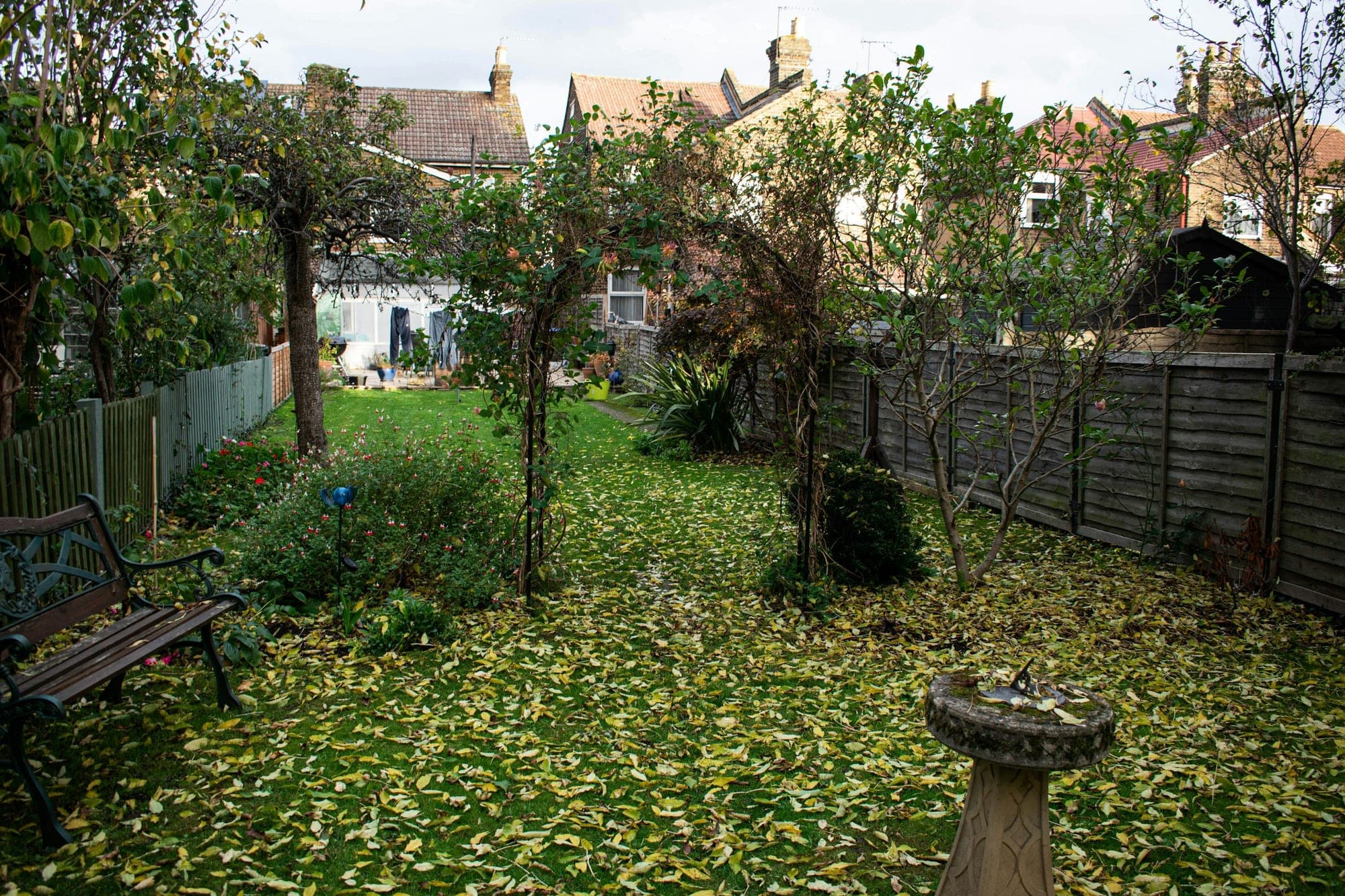
Want a hand with your garden?
Tell us what you have in mind and we'll arrange a free, no-obligation visit and quote.
Free, no-obligation visit · Mon – Fri: 9:00 – 18:30