
Seasonal care
October's Falling Leaves Are Either Free Mulch or a Lawn Problem, Depending on What You Do Next
October is the wettest month in north London and the first frost becomes possible. Get leaves off the lawn, plant trees and hedging, protect tender plants, and leave sound stems standing.
By the Aspen Rose team6 min read
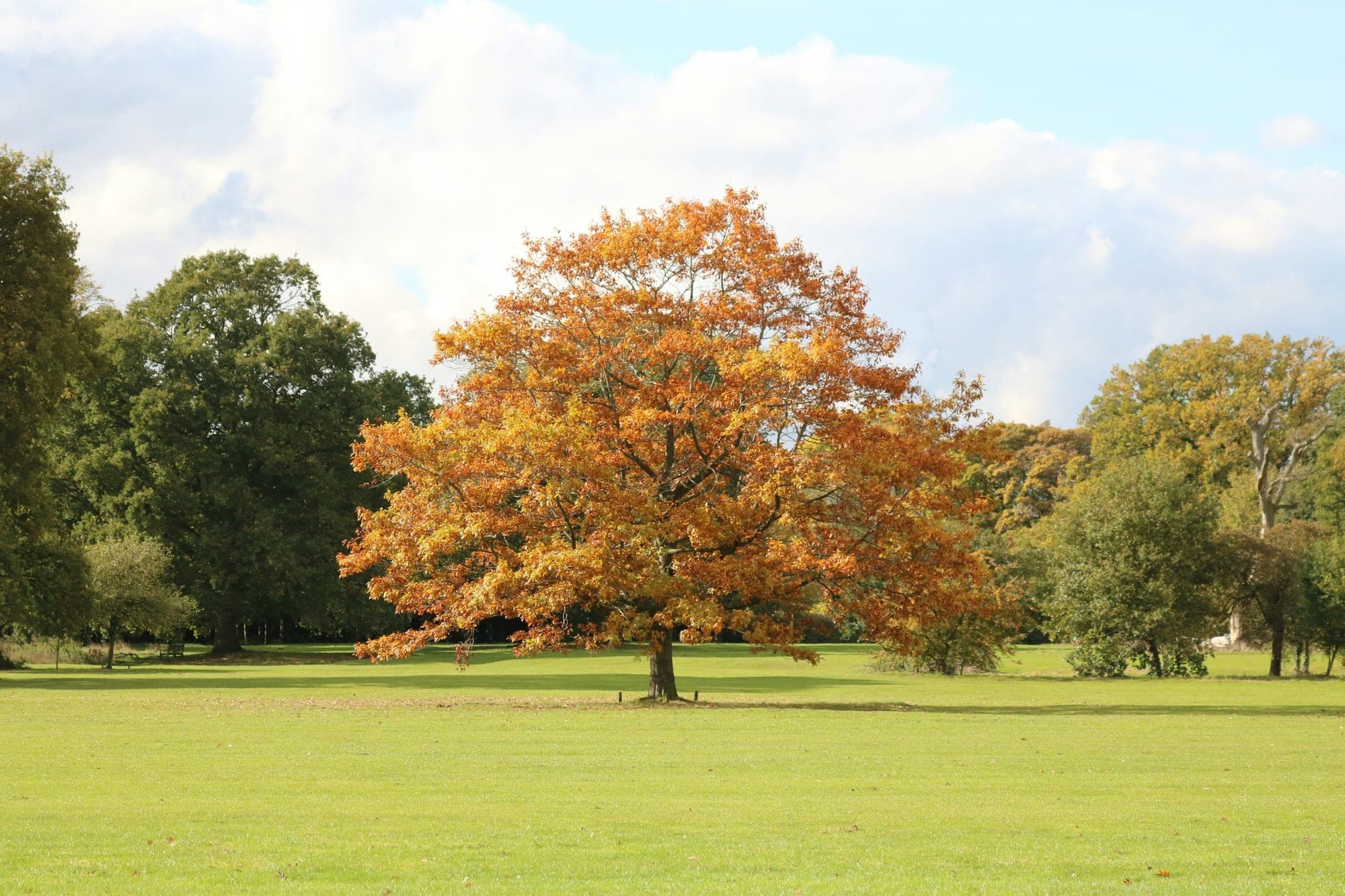
October is the turning point because the wet and the cold arrive together. The Met Office's 1991 to 2020 averages for Hampstead in north London give October 78.6 mm of rain, the highest of any month, with 11 days on average that bring at least 1 mm. Daytime highs drop to 14.8°C, sunshine falls to 106 hours (from 145 in September), and air frost makes its first appearance, at an average of a third of a day. The same fallen leaves that build up this month are either a resource or a liability, and the only thing that decides which is where they land.
Which October jobs have a deadline?
Get leaves off the lawn
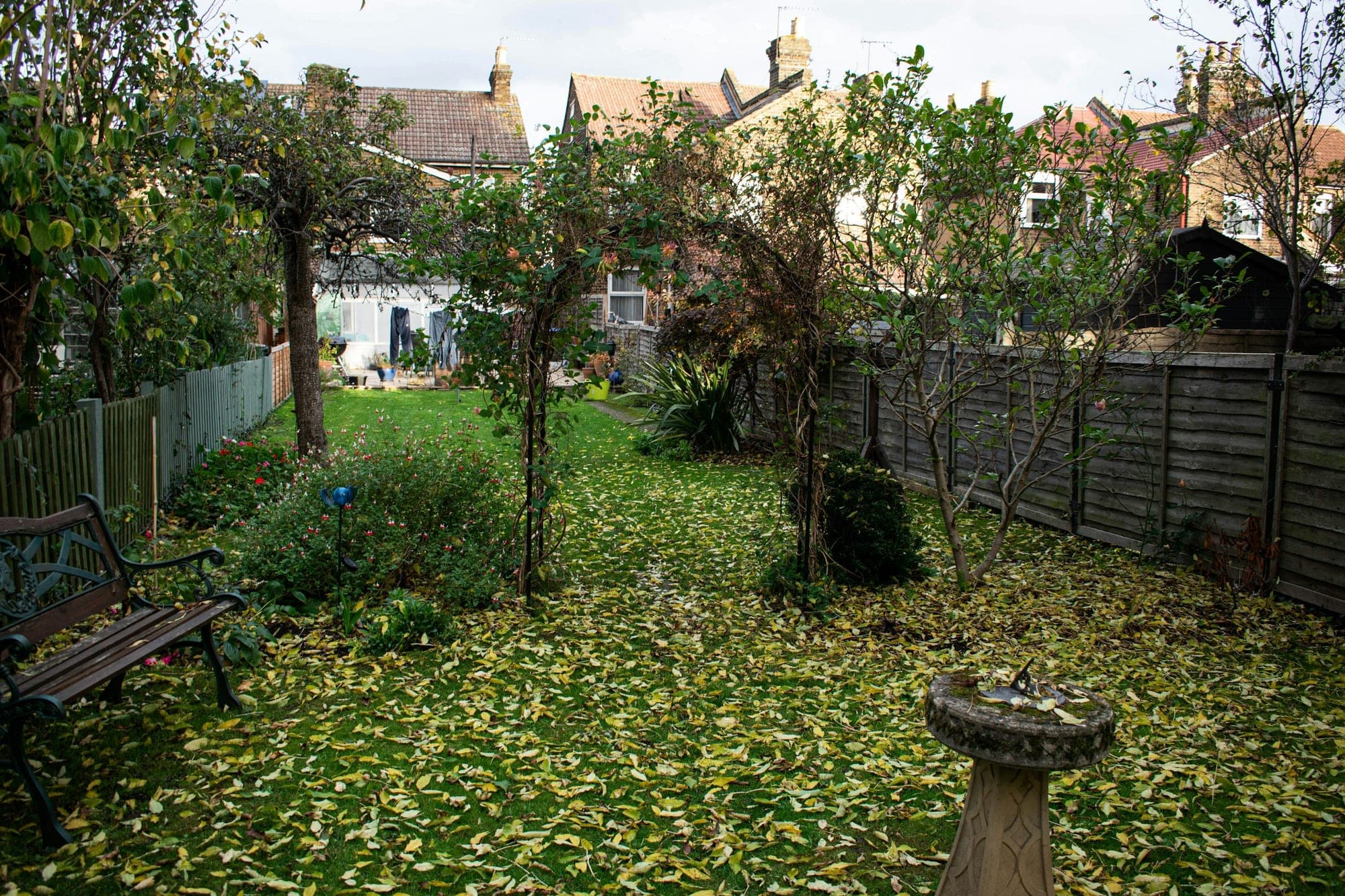
On the lawn, leaves are a problem and should come off without delay. Rake them from the grass so they do not block light and moisture, as the RHS advises. Leaves already lying on beds and borders can stay where they are. Whether to leave a few on the lawn is covered in should you leave leaves on your lawn.
Off the lawn, the same leaves are worth keeping rather than binning. The RHS says mowing leaves shreds them, which speeds up leafmould, and that most take about two years to rot down, so start a bag or a wire frame now rather than waiting until the pile is unmanageable.
Plant trees, shrubs and hedging
The RHS calls October a good time to move or plant trees, shrubs, roses, climbers and hedging. Bare-root plants arrive near the end of the month for planting between November and March, so prepare the ground now. Check tree ties and stakes before the winter gales: secure, but not tight, and not letting the trunk rub.
New spring bedding, wallflowers and violas go in now too, and so do new perennials, because the soil is warm and wetter than in summer.
Protect what frost will kill
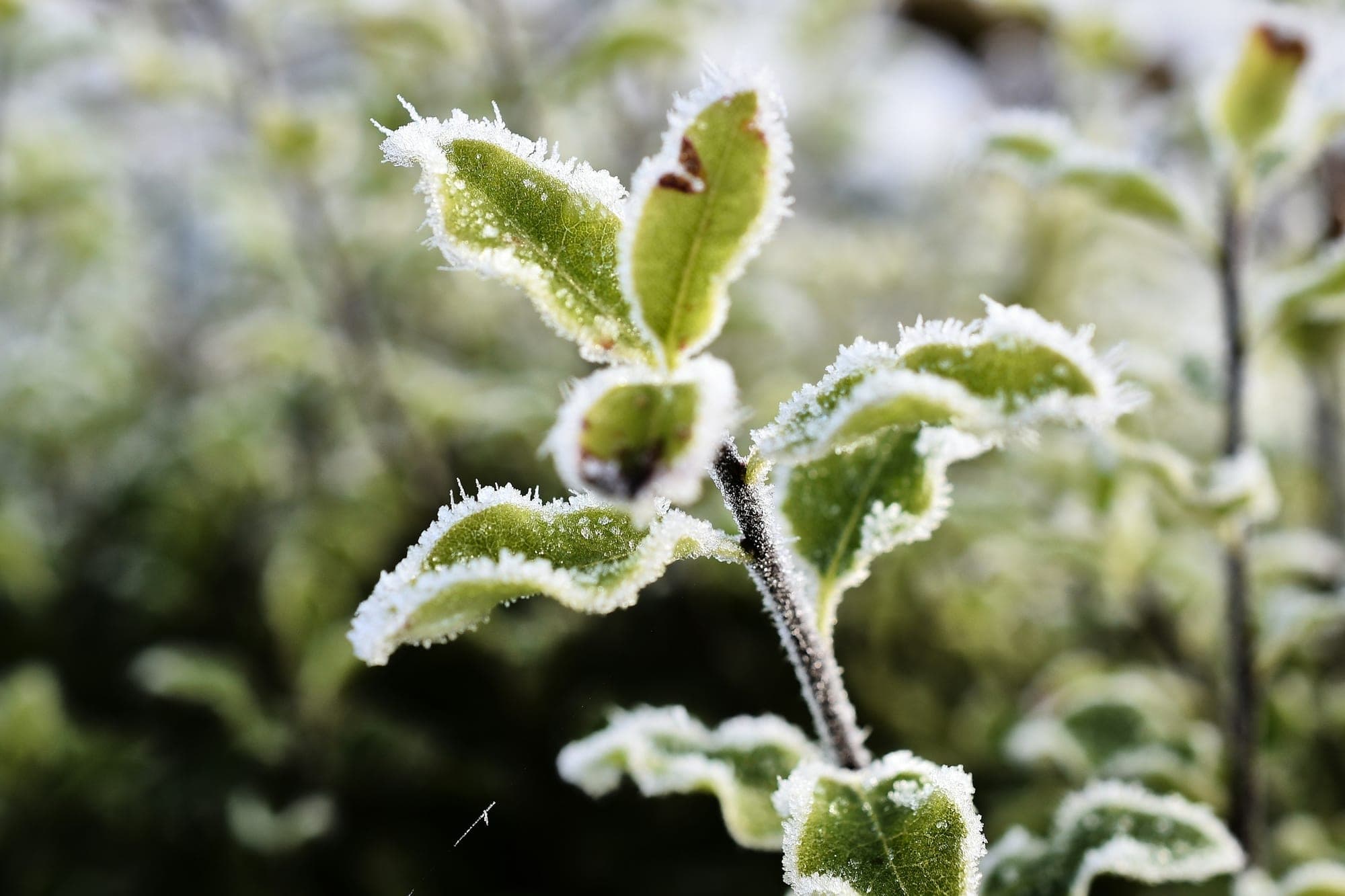
The RHS says to wait for the first frosts to blacken dahlia and canna foliage before lifting the tubers, and to move other tender plants into a frost-free greenhouse or conservatory before winter sets in. Do not feed anything late, because that encourages soft growth that frost and wet damage. Raise pots on feet so they do not sit in water. For overnight frost warnings, see how to protect plants from frost.
Make the last tidy of the year
The RHS says this is the last chance to mow and to trim deciduous hedges for a tidy winter outline, in mild areas. Grass keeps growing above 7°C, so mow on mild days with the blades higher than in summer. Heavier cuts can wait: the RHS says deciduous hedges such as beech and hornbeam can be pruned through the dormant season, and the RSPB's recommended cutting window runs from 1 September to 28 February.
Finish the lawn renovation, if the weather allows
Scarify and aerate only when the soil is not waterlogged and the weather is mild, according to the RHS. Seed is worthwhile only in warmer parts of the UK, and needs soil at 7°C or more. The first cut of a newly sown area should be at 5 cm or higher. When to scarify a lawn has the details.
Which jobs should wait until spring?
Cutting back healthy perennials. The RHS's October job list says to cut back perennials that have died down, but its flowers advice is more careful: leave herbaceous perennials standing until March because the stems shelter wildlife, and cut only soggy or collapsed growth, which can go on the compost. A sensible split is to remove what is rotting and leave what is sound.
Hydrangeas also wait. The RHS says old flowerheads protect the shoots from frost, so prune in March.
What about gutters, drains and paths?
Fallen leaves block gutters and gullies, and the RHS notes that algae and moss can make paths and steps slippery. SPAB advises clearing gutters, hopperheads and drainage channels every autumn and again in spring, and checking downpipes for blockages, ideally in heavy rain when leaks at joints show. The RHS says keeping drains clear of leaves and debris lets rain run off quickly, which makes hard surfaces less welcoming to algae and moss.
If you cannot reach the gutters safely from a ladder, our jet wash and gutter clearing service covers them. Our guides to gutter cleaning and cleaning a patio cover the rest.
What should you do for wildlife in October?
The RHS says hedgehogs settle in to hibernate from October or November. Leave piles of leaves and logs in a corner, and check compost heaps before forking them over. Honey fungus toadstools can appear in October too, but the RHS says most toadstools then are harmless, and if the plants look healthy there is probably no cause for concern.
Next month's article, what to do in November, covers bonfires and hedgehogs, and the first hard frosts. The previous month is September.
Sources
- Met Office: Hampstead climate averages, 1991 to 2020
- RHS: October jobs
- RHS: October lawns
- RHS: October trees and shrubs
- RHS: October flowers
- RHS: Leafmould
- RHS: Algae and moss on hard surfaces
- RHS: Hedgehog-friendly gardening
- RHS: November jobs
- RHS: November trees and shrubs
- RHS: December trees and shrubs
- RSPB: Birds' nests and nestboxes
- SPAB: Maintenance Week
This reflects our own read of what matters most in London and Hertfordshire gardens this month, not a guaranteed task list for yours. Rainfall and the first frost date both vary year to year, so use it as a guide — get in touch if you'd like a hand with any of it.
October garden questions
When should I lift dahlias?
After the first frosts have blackened the foliage, according to the RHS. In milder areas with well-drained soil, dahlias and cannas can instead stay in the ground under a thick layer of straw or bracken.
Can I still plant bulbs in October?
Yes. The RHS says to keep planting spring-flowering bulbs in October, and its November pages list tulips for that month. Bulbs planted in grass need an area you can leave unmown until the foliage dies back.
Should I prune roses in October?
Climbing and rambling roses can be pruned now, says the RHS. Shrubs usually pruned hard in spring, such as buddleja, can be cut back by half to stop wind rock, but save full pruning of bush roses for February or March.
Related services
- Garden MaintenanceRegular garden maintenance across London and Hertfordshire — mowing, pruning, weeding and seasonal care from an experienced team. Get a free quote.
- Jet Wash & Gutter ClearingJet washing and gutter clearing across London and Hertfordshire — protect your property from water damage and slip hazards. Get a free quote.
More from the blog
All articles →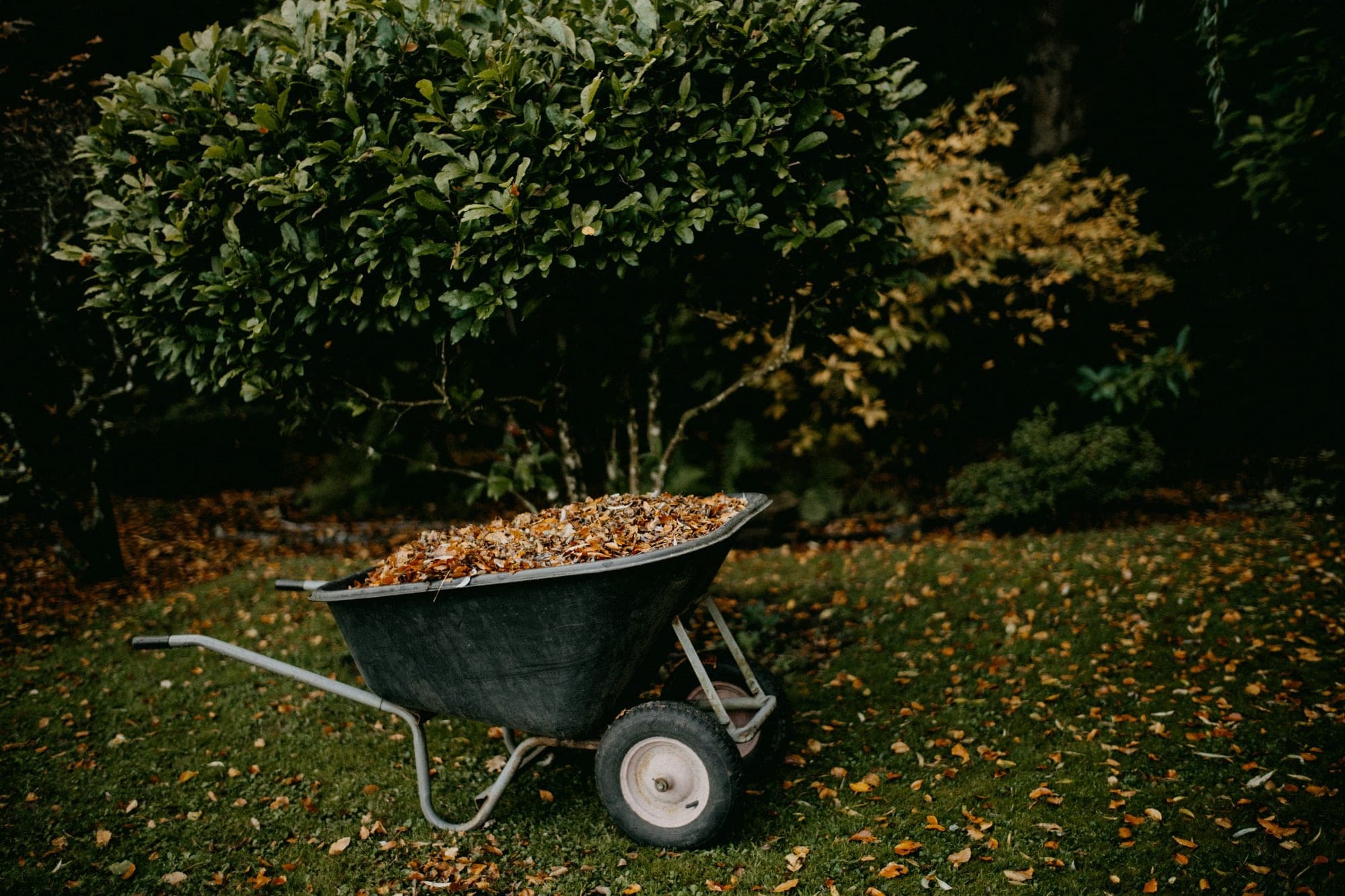
Want a hand with your garden?
Tell us what you have in mind and we'll arrange a free, no-obligation visit and quote.
Free, no-obligation visit · Mon – Fri: 9:00 – 18:30