
Seasonal care
Frost Rarely Kills Garden Plants Directly. What You Do the Morning After Often Does.
Cover tender plants overnight with double-layer fleece, move pots to shelter, and mulch crowns. Heavy-grade fleece only buys about 2°C, so a hard frost needs more than a cover.
By the Aspen Rose team6 min read
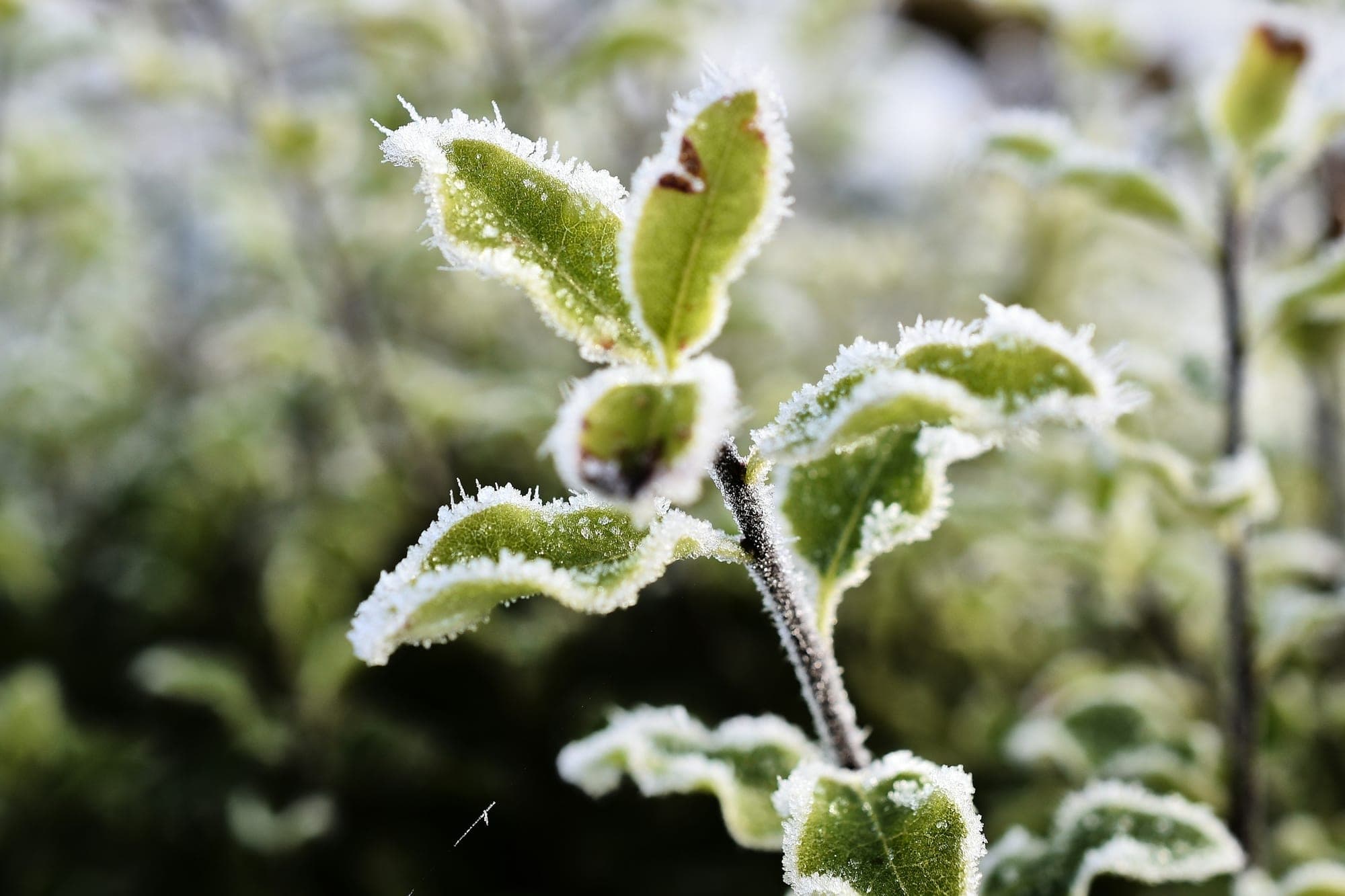
Frost protection is mostly a matter of matching the job to the plant and to the night, not reaching for the same fleece every time. A cover that rescues a half-hardy plant on a cold night does very little on a hard one, and the damage that actually finishes a plant off often happens the next morning, in how it thaws, not in the cold itself.
Which plants need protecting?
The plants most at risk are tender ones, anything in a pot, evergreens and anything planted recently. The RHS describes evergreens and pot plants as at particular risk, and says newly planted young plants are more vulnerable than established ones.
The RHS hardiness rating on a plant label tells you how cold it can take. Each rating is an absolute minimum winter temperature, and anything rated H3 or tenderer is where most protecting happens.
| Rating | Lowest temperature | What it means |
|---|---|---|
| H2 | 1 to 5°C | Tender. Killed by freezing, so needs a glasshouse in winter except in frost-free inner-city areas or coastal extremes |
| H3 | -5 to 1°C | Half-hardy. Survives in mild areas but is at risk from early frosts and hard winters |
| H4 | -10 to -5°C | Hardy through an average UK winter, though potted plants are more vulnerable |
How much protection does fleece give?
Heavier grades of horticultural fleece give about 2°C of frost protection, according to the RHS, and that figure is worth taking seriously because it is easy to overestimate what a thin cover actually buys you. It helps on a marginal night and does almost nothing when the forecast is well below what a plant can stand. So as a rule of thumb: if the forecast low is within a couple of degrees of what the plant tolerates, a double layer of fleece, or an old sheet, can bridge the gap. If the gap is bigger, move the plant, lift it, or wrap it properly, because a single sheet of fleece will not save it. The RHS says light fleece (17 g per square metre) suits seedlings and young crops, and the heavy grade (35 g) is the one for tender plants.
The Met Office says clear, calm nights let the ground lose heat fast, so a ground frost can form even when the air stays slightly above freezing. Towns and cities tend to be less prone to frost because buildings and paving give back daytime heat, which helps in London but does not remove the risk.
How do you cover plants properly?
- Cover in the evening, before the temperature drops, when frost is in the forecast.
- Use a double layer of fleece or an old sheet, and secure the edges. The RHS says fleece is light and usually needs no hoops.
- Take it off once the risk has passed, and take wraps off in stages or on a dull day so the plant can adjust.
The RHS also warns that covers left on through a long mild spell can sweat and cause rot, so remove them and replace them if the cold returns. Wrappings that trap rain are a risk too: water inside can rot a crown, which is why long-term wraps need a waterproof outer layer.
What about pots?
A pot puts roots above the insulating soil, and the RHS notes that potted plants are more exposed to cold. It suggests grouping containers together in a sheltered, dry spot and wrapping the pots in bubble polythene or straw. Another option is to plunge a pot into the ground with the rim just showing.
What should you mulch, lift or leave alone?
The crowns of non-woody tender plants may need only a thick, dry mulch. The RHS says to lay it at least 5 cm (2 in) deep, between November and February, using straw, garden compost, chipped bark or well-rotted manure.
Some plants are better lifted:
- Dahlias and cannas: lift after the first frost blackens the foliage. The RHS says in mild areas they can be mulched instead.
- Tuberous begonias and gladioli: store dormant.
- Penstemons and similar tender perennials: leave the old stems on over winter. The RHS says they protect the crown from frost, and that pruning borderline-hardy perennials should wait until the risk of frost has passed, usually April or May.
Avoid late-season high-nitrogen feeds. The RHS says they encourage soft growth that frost damages easily. For more on getting beds and pots ready, see our guide to preparing your garden for winter.
What do you do after a hard frost?
Wait. This is the step most people get wrong, and it is usually more damaging than the frost that caused it: cutting frost damage off early invites new growth that the next frost can hit, turning one cold night into a repeating problem. The RHS says to prune out damage once no more frost is expected, cutting back to an undamaged bud or side shoot. For hydrangeas, it suggests leaving the old flowerheads on over winter because they shelter the buds below.
Patience matters here more than technique. The RHS also notes that damage can take months to show on woody plants, and that many regrow from dormant buds at or below soil level, sometimes not until early summer. A plant that looks dead in February can still come back in June. For a favourite plant, it suggests waiting until mid-summer before replacing it. If a border has lost several plants, our planting and design service can help choose replacements that suit the spot. Spring tasks follow in getting your garden ready for spring.
Sources
- RHS: Frost damage
- RHS: Fleece and crop covers
- RHS: Preventing winter damage
- RHS: Overwintering tender plants, lifting or mulching
- RHS: Overwintering tender plants, wrapping
- RHS: Hardiness ratings (PDF)
- RHS: Hydrangea pruning
- RHS: Perennials, cutting back
- RHS: When to plant out tender plants
- Met Office: Why frost can still occur in late spring
This reflects what tends to work in most London and Hertfordshire gardens, not a guarantee for yours. How sheltered a garden is, and what is already planted in it, change how much protection it needs, so treat this as a starting point rather than a fixed rule — get in touch if you'd like a proper assessment of your own garden.
Frost protection questions
When can I put tender plants outside in London?
The RHS gives early May for London in its frost damage guide, and the second half of May for southern England generally in its planting-out guide, adding that sheltered urban sites can be one to two weeks earlier. Harden plants off first and check the forecast for the next 5 to 10 days before planting.
Do hardy plants need covering?
Usually not. Plants rated hardy for an average winter manage without a cover in most gardens. The exceptions are new plantings, plants in pots, evergreens in cold or exposed gardens, and anything showing a hardiness rating close to your local winter lows. Check the label before wrapping everything.
Why do some plants blacken after a frosty morning?
Quick thawing in early sun can do more harm than the frost itself. The RHS says rapid thawing damages frozen buds and shoots, particularly on camellias and magnolias, and suggests planting them where morning sun does not reach.
Related services
- Garden MaintenanceRegular garden maintenance across London and Hertfordshire — mowing, pruning, weeding and seasonal care from an experienced team. Get a free quote.
- Planting & DesignPlanting and garden design across London and Hertfordshire — considered plant selection and layout planning from Aspen Rose. Get a free quote.
More from the blog
All articles →

Want a hand with your garden?
Tell us what you have in mind and we'll arrange a free, no-obligation visit and quote.
Free, no-obligation visit · Mon – Fri: 9:00 – 18:30