
Seasonal care
Most Spring Garden Checklists Have You Tidying Before the One Job That Actually Matters
Work in order of deadlines: prune roses and cut grasses before growth starts, finish hedge work before nesting begins in March, mulch in mid to late spring, and hold back tender plants until frost has passed.
By the Aspen Rose team7 min read
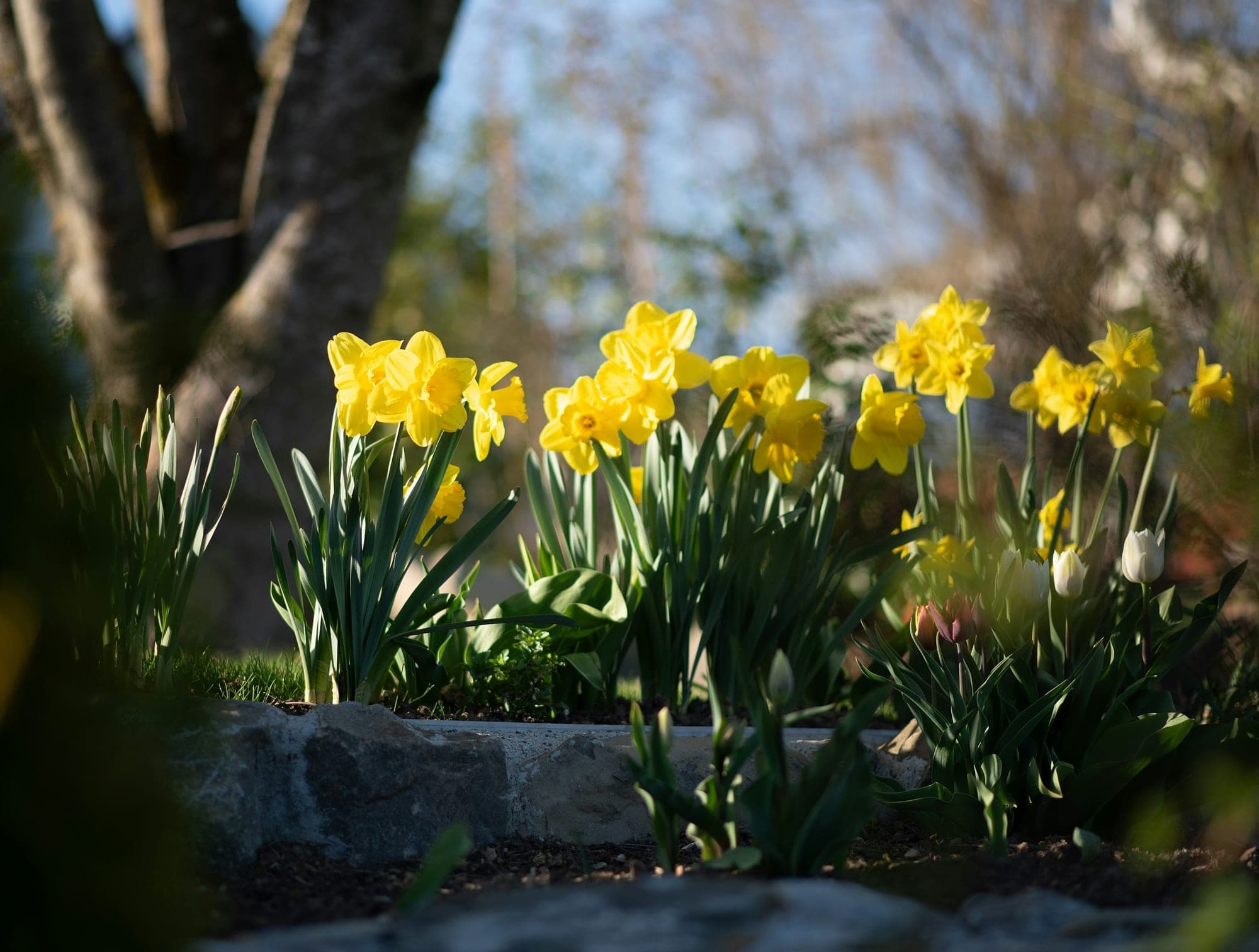
Most spring checklists list jobs alphabetically or by area of the garden, which is why so many people do them in the wrong order. The order matters far more than the list itself. Some spring jobs have a hard stop, such as bud break or bird nesting, and missing that stop is not a scheduling slip, it is next year's flowers gone or a legal problem. Others need warm, dry soil. A few must wait until the last frost. Sort jobs by their deadline, not their category, and you avoid the common mistakes: cutting a hedge in nesting season, mulching bare soil that is still full of weeds, or planting out too early.
Which jobs should come first?
Do pruning and cutting back first, because they have to finish before growth gets going.
- Roses. The RHS prunes bush roses (hybrid teas and floribundas) as growth is just resuming, usually in mid-February in the south and in March in colder areas.
- Ornamental grasses. Cut deciduous grasses once a year in early to mid-spring, before new shoots appear. The RHS says miscanthus can be pruned from mid-March to April, and the slower Pennisetum orientale waits until late April.
- Stem-colour shrubs. The RHS lists cutting back dogwood and willow grown for coloured winter stems as a March job.
- Summer and autumn-flowering shrubs. The RHS advises early to mid-spring, since winter pruning may lead to frost damage of new shoots. Most evergreens are better pruned in mid-spring after any risk of frost has passed.
Where frost hit shrubs hard over the winter, wait and let spring growth show what is alive before cutting. The RHS says prune damage out only when no more frost is expected. Our guide to protecting plants from frost goes into this.
Can you still cut hedges in spring?
This is the deadline most spring checklists bury under "general tidying," and it is the one that actually matters. Do hedge renovation in February, because from March the nesting season has begun. The RHS says the main season runs from early March to early August and can be longer. It is an offence to intentionally damage or destroy a wild bird's nest in use or being built, under the Wildlife and Countryside Act 1981, and the RSPB says hedge work is best done outside the main nesting season.
The RHS includes pruning hardy evergreen hedges and renovating overgrown deciduous hedges in its February jobs. After that, only cut if you have checked the hedge thoroughly and found no nest. If you find one in use, the RHS says to wait until the young have fledged. When to trim a hedge in the UK sets out the dates by plant.
When should you mulch?
Mulch in mid to late spring, when annual weeds have not yet germinated and herbaceous plants are still dormant, according to the RHS. The same page says autumn is the other good time.
- Weed first. Remove weeds before laying mulch, and hoe early, before they get out of hand.
- Wait for moist, unfrozen soil. The RHS says to lay mulch over soil that is moist and not frozen.
- Lay it at least 5 cm (2 in) deep. The RHS says ideally 7.5 cm (3 in) thick.
- Keep it off stems. Contact with the stems of trees and specimen shrubs can soften them and invite disease.
Our guide to mulching flower beds covers materials and depth in more detail.
How should you treat the lawn?
Take it gently. The RHS says grass starts growing above 7°C, and that you should not walk on or mow frosty grass, because the brittle blades can break and leave brown footprints that take weeks to fade.
- First cut. Wait for dry grass and mild weather. Use the highest setting, or about 0.5 cm higher than usual, so only the tips come off. For later spring cuts the RHS keeps grass at about 4 cm and removes no more than a third of its height at a time. When to start mowing in spring has the detail.
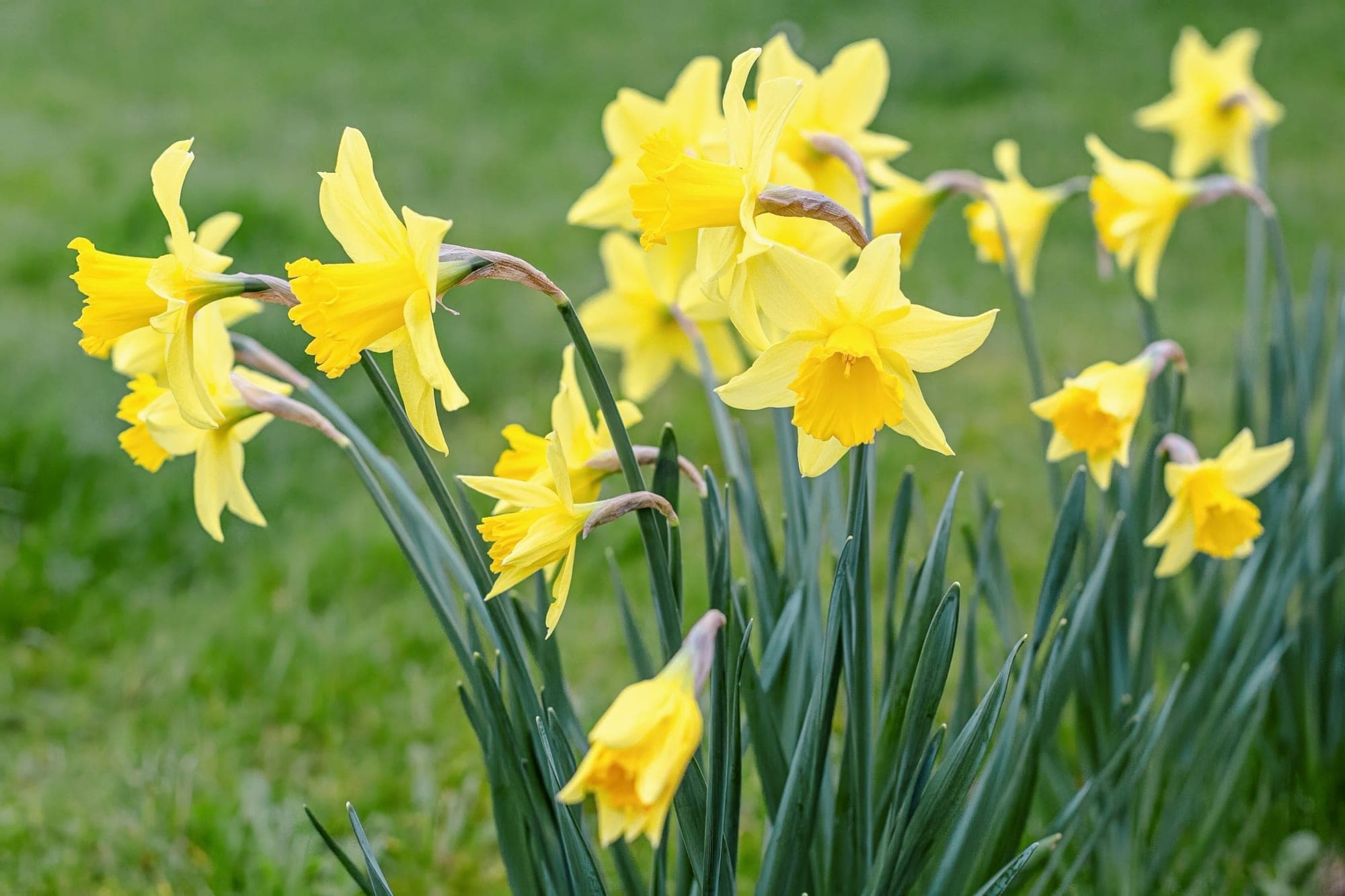
- Bulbs in the grass. Wait at least six weeks after daffodils or crocuses flower before mowing those patches.
- Feeding. The RHS says apply a spring feed in mid-spring while the lawn is actively growing, usually late March to April, at the packet rate and ideally before rain.
- Edges and moss. Cut a gutter about 7.5 cm (3 in) deep with a half-moon iron to stop grass creeping into borders. Rake moss out in spring in damp lawns.
- Bare patches. Reseed at the end of March in mild regions; in cold weather seed will not germinate.
When is it safe to plant out tender plants?
Not until the frost has passed, which in London is later than the first warm week suggests. The RHS frost damage guide puts tender bedding outside from early May in London and the south west, and mid-May across southern England. The RHS planting-out guide is more cautious, giving the second half of May for southern England and south Wales, with sheltered or urban gardens one to two weeks earlier.
The two pages differ by a couple of weeks, so treat early May as the earliest and decide by the forecast, not by how warm one sunny weekend felt. The Met Office says the average last air frost in southern and coastal areas usually falls before the end of April, but ground frost can still follow in May, because the ground holds less warmth than later in summer. That gap between a mild day and a safe planting date is where most tender bedding gets lost every spring. Keep fleece to hand until then, and harden plants off first.
Can someone else do the spring jobs?
The jobs above add up across several weekends. If you would rather not do them yourself, our garden maintenance and soft landscaping services cover the cutting back, mulching and planting. We offer a free, no-obligation visit and a written quote; you can ask for one here.
Sources
- RHS: February jobs
- RHS: March jobs
- RHS: February lawns
- RHS: March lawns
- RHS: Lawn care in spring and summer
- RHS: How to mow a lawn
- RHS: Pruning hybrid tea and floribunda roses
- RHS: Ornamental grasses, cutting back
- RHS: Perennials, cutting back
- RHS: Pruning summer- and autumn-flowering shrubs
- RHS: Pruning evergreen shrubs
- RHS: How to trim a hedge
- RHS: Mulches and mulching
- RHS: Frost damage
- RHS: When to plant out tender plants
- RSPB: What does the Wildlife and Countryside Act 1981 do?
- Met Office: Why frost can still occur in late spring
This reflects what tends to work in most London and Hertfordshire gardens, not a guarantee for yours. Exact deadlines shift with aspect, shelter and the weather in a given year, so treat the dates above as a starting point rather than a fixed rule — get in touch if you'd like a proper assessment of your own garden.
Spring preparation questions
Is it too early to cut back perennials in February?
Not necessarily, but you can leave most until March or later. The RHS says many gardeners delay until spring, starting from March, so stems keep sheltering wildlife, and that woody-stemmed tender perennials such as penstemons should wait until the frost risk has passed, usually April or May.
When can I sow grass seed in spring?
For a new lawn, the RHS suggests preparing the ground in March, by forking, weeding, levelling and firming it lightly, and sowing in April once it is warmer. Seed will not germinate in cold weather. The RHS calls autumn the ideal time for lawn repairs, with spring the alternative.
Do I need to brush away worm casts?
Only if you want to. The RHS calls worm casts a sign of healthy soil, and says that if you dislike them you should wait until they dry and then brush them off with a hard broom. It also suggests tolerating molehills if you can.
Related services
- Garden MaintenanceRegular garden maintenance across London and Hertfordshire — mowing, pruning, weeding and seasonal care from an experienced team. Get a free quote.
- Soft LandscapingSoft landscaping and planting design across London and Hertfordshire — turfing, planting schemes and natural features from Aspen Rose. Get a free quote.
More from the blog
All articles →
Want a hand with your garden?
Tell us what you have in mind and we'll arrange a free, no-obligation visit and quote.
Free, no-obligation visit · Mon – Fri: 9:00 – 18:30