
Lawns
The First Cut of the Year Sets Up Every Mow That Follows, Which Is Why So Many Lawns Start Weak
There is no fixed date for the first cut. Mow once the grass is clearly growing and the ground is not wet, frozen or frosty, usually in March or April, with the blades on their highest setting.
By the Aspen Rose team6 min read
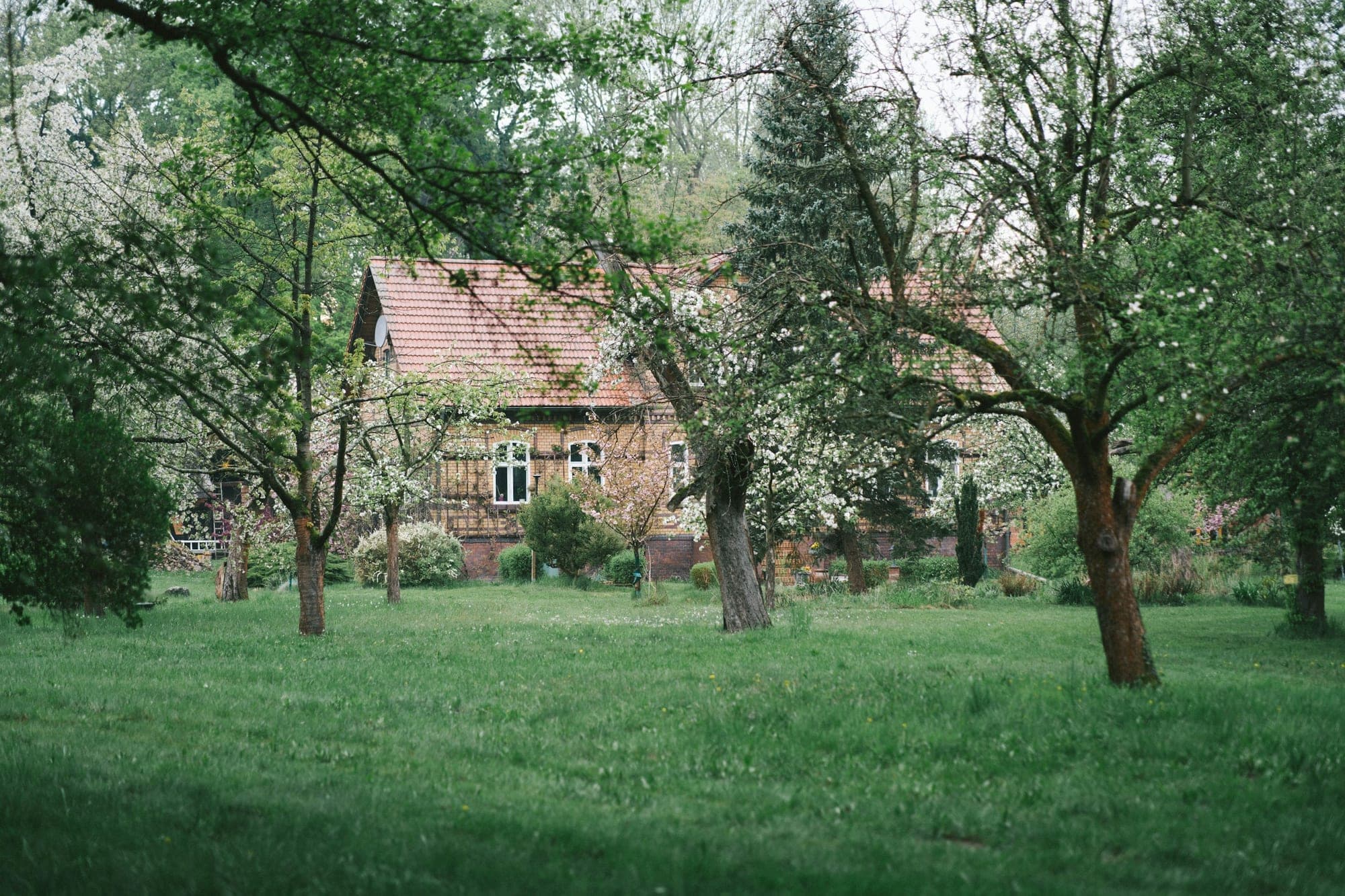
Waiting for a date on the calendar is the wrong instinct, because spring arrives at a different point every year. What actually matters is whether the grass is growing and whether the ground can take the weight of a mower without turning to mud.
How do you know the lawn is ready for its first cut?
The RHS says to start regular mowing once the grass begins growing in spring, and lists the first cut among its March jobs for established lawns. Three things are worth checking before you wheel the mower out, not just one:
- Visible growth. If the blades have grown noticeably since winter, they are ready. The RHS notes that grass keeps growing above about 7°C, so a single mild spell is usually the trigger.
- Firm ground. The RHS advises against mowing very soft or wet soil, because the mower compacts it and leaves muddy ruts that take months to grow out.
- No frost or cold wind. Mowing frosty grass damages it, so wait until it has thawed and dried. The RHS also warns against mowing in cold, drying winds, which stress the grass in a different way.
In a mild winter the grass may never fully stop growing, and the RHS's advice adjusts for that: an occasional cut is fine then, on a high setting and only in mild weather, rather than waiting rigidly for spring to arrive on schedule.
How short should the first cut be?
Higher than most people assume. The RHS says to use the highest blade setting for the first cut of the year, and its March jobs list is specific: raise the blades about 0.5cm (¼in) above your usual cutting height. Which? gives the same sequence, starting high and lowering the blades gradually over the following weeks rather than all at once.
The reason is the one-third rule, and it is not a guideline to treat loosely. The RHS advises never removing more than a third of the grass height in one cut. A lawn that has grown to 6cm should not be cut below 4cm in a single pass, which is also the height the RHS gives for spring, autumn and winter lawns generally. If winter has left the grass much longer than that, cut it in stages a few days apart instead of forcing it down in one go.
How low you eventually go depends on the lawn itself, and our guide on how short to cut your lawn covers the heights for each season and use.
What should you check before the first mow?
The mower has probably sat in a shed since last autumn, and it shows. Which? suggests a short list before it touches the grass:
- Pick up sticks, stones and other debris, which can damage blades on the first pass.
- Clear old clippings from under the mower that have been sitting there since the last cut of the year before.
- Check the blades. Which? advises sharpening or replacing them if the finish is poor or the grass tips are turning brown afterwards.
- If there is clover or another low-growing weed, rake over it first rather than mowing straight over the top.
The RHS also suggests raking out moss with a spring-tined rake while you are already out there in spring.
When should you hold off?
Some lawns need patience rather than a calendar date.
- Bulbs in the grass. The RHS says to wait at least six weeks after crocuses or daffodils finish flowering, so the leaves can feed the bulbs for next year instead of being cut away early.
- Lawns with early wildflowers. Plantlife advises leaving a lawn alone in April if it has primroses, cowslips or violets, keeping any spring cut to March with the blades set high enough to clear the new leaves. A lawn without early flowers can take its first cut in March or April on reasonably dry ground.
- New lawns. The RHS says to let a new lawn reach 5cm before the first cut, on the highest setting. Grass sown in spring should be left until it is 5 to 8cm tall, and newly laid turf needs several weeks without foot traffic before it is ready for either.
If you take part in No Mow May, a first cut in March or April sits comfortably ahead of it rather than conflicting with it.
What comes after the first cut?
The first cut is a sensible moment to think about feeding, not a job to handle in isolation. The RHS puts the main spring feed at late March to April, once the grass is actively growing, and when to feed your lawn explains how to decide whether yours actually needs one.
If you would rather not do it yourself, our garden maintenance service includes lawn mowing, and the visit to look at your garden is free.
Sources
- RHS: How to mow a lawn
- RHS: Lawn mowing
- RHS: March lawn jobs
- RHS: April lawn jobs
- RHS: October lawn jobs
- RHS: Lawn care in spring and summer
- Which?: How to mow a lawn
- Plantlife: No Mow lawn guide
This reflects what tends to work on lawns in London and Hertfordshire's springs, not a guarantee for yours. Soil, shade and what is growing in the grass all change the right moment, so treat this as a starting point — get in touch if you'd like us to take a proper look at what's actually going on in yours.
First mow questions
Should I collect the clippings from the first cut?
Yes, usually. Plantlife advises collecting cuttings when you remove more than about 1cm of growth, which is common at the first spring cut. The RHS says that in very dry weather clippings shorter than 1cm can be left on the lawn to help hold in moisture.
Can I mow in winter if the grass is still growing?
Occasionally. The RHS says mild winters may call for an occasional cut, as long as the ground is not frozen or sodden. Set the blades high and mow only when the grass is dry. Which? says the same: mow as required in a mild winter, when the turf is not wet or frosty.
How often should I mow once the season has started?
The RHS says a conventional lawn needs mowing weekly or fortnightly in spring, depending on how fast it grows. Let the growth set the rhythm: a cold week needs less mowing than a warm, damp one. In a prolonged dry spell in summer the RHS suggests skipping cuts.
Related services
More from the blog
All articles →
Want a hand with your garden?
Tell us what you have in mind and we'll arrange a free, no-obligation visit and quote.
Free, no-obligation visit · Mon – Fri: 9:00 – 18:30