
Lawns
Cutting Your Lawn Too Short Is the Single Most Common Mistake We See in London Gardens
For most garden lawns the RHS gives about 4cm in spring, autumn and winter and about 2.5cm in summer. Shade, drought and fine lawns change the answer, and so does the one-third rule.
By the Aspen Rose team5 min read
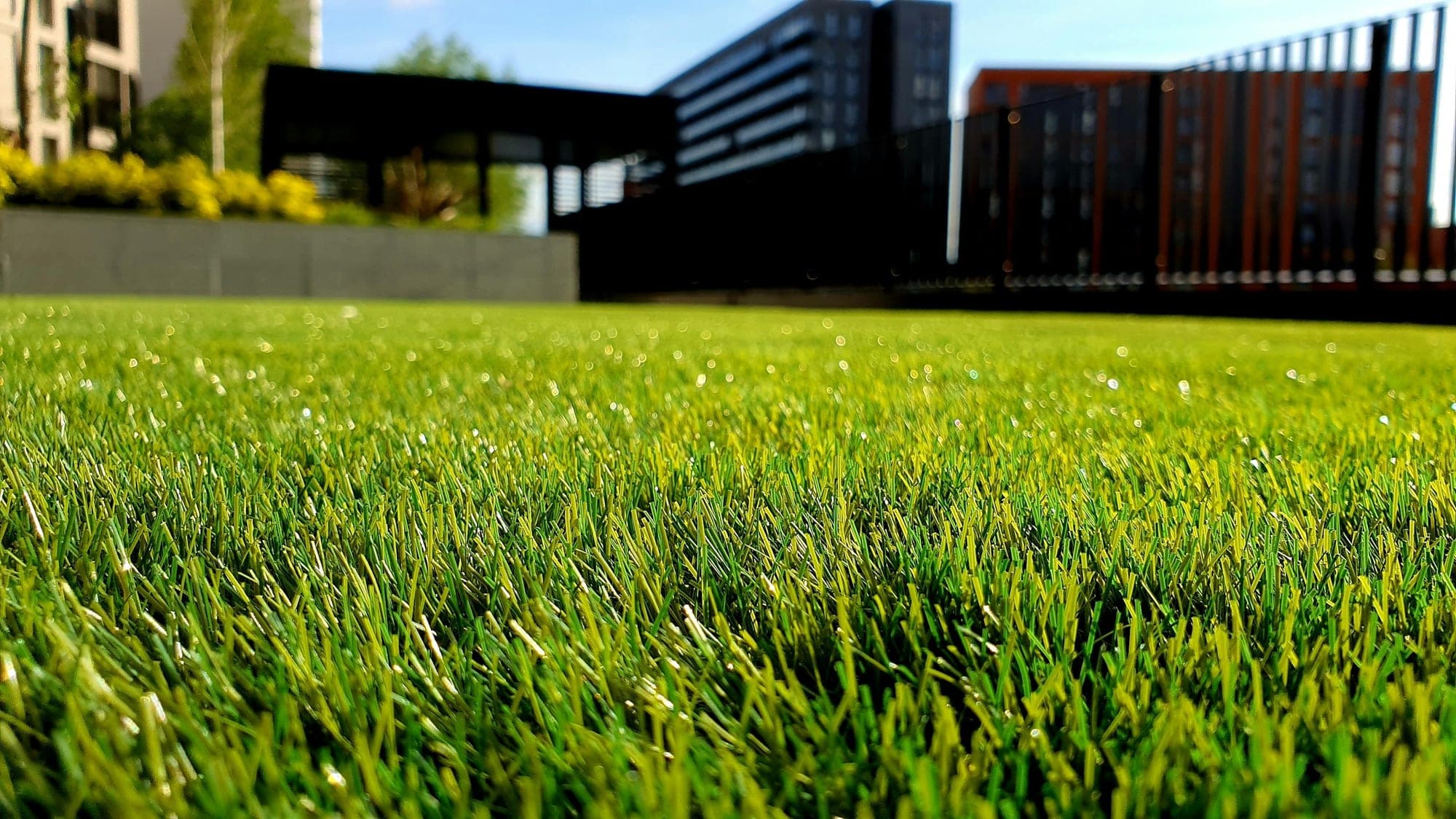
A mower with the blades set too low will weaken a lawn faster than almost anything else a homeowner does to it, and it's an easy mistake to make without ever noticing the deck setting is wrong. This guide gives the heights for each season and situation, and shows where the published sources agree and where they do not.
What height suits each type of lawn?
The right height depends on how the lawn is used and what is growing in it. These are the figures from the RHS and Which?, side by side.
| Lawn or season | Height | Source |
|---|---|---|
| Ordinary lawn, spring, autumn and winter | About 4cm | RHS |
| Ordinary lawn, summer | About 2.5cm (a range of 13 to 25mm on another RHS page) | RHS |
| Fine, ornamental lawn | 6 to 13mm | RHS |
| Lawn in shade | At least 6cm, up to 9cm | RHS |
| Everyday lawn, general guide | 25mm, and not below it | Which? |
| Rarely used luxury lawn, summer | As low as 12mm | Which? |
| Flowering lawn left for wildlife | 2.5 to 5cm, cut every 4 to 8 weeks | Plantlife |
The sources agree more than the table first suggests. Which?'s 25mm and the RHS's 2.5cm are the same figure, and Which? says that cutting below it leaves a lawn weakened and more prone to drought. Which? is less consistent with itself: its moss guide talks about keeping grass at about 20mm. Treat the numbers as a starting point, not a rule to chase exactly, and watch what the grass actually does.
Why does cutting too short cause problems?
A close cut leaves less leaf to feed the roots and less cover over the soil, and the damage compounds from there. The RHS lists mowing too low among the causes of the sparse, weak grass that moss takes over, and Which? says close mowing can seriously weaken lawn grasses so that they cannot compete with weeds and moss. (Which? adds that longer, coarser grass can encourage moss too.)
That makes cutting height one of the few things a homeowner controls that affects moss, weeds and drought tolerance all at once, which is exactly why it's worth getting right before reaching for any other fix. If you already have moss, our guide on how to get rid of moss in your lawn covers the rest of the causes.
How does the one-third rule work?
The RHS says never to remove more than a third of the grass height in a single cut. The rule matters more than any single number, because it tells you when to mow as well as how low to go.
A worked example, using the RHS's 4cm spring height:
- Grass that has grown to 6cm can be cut straight back to 4cm, because that removes a third.
- Grass at 9cm should first go down to 6cm, then to 4cm a few days later.
So if you leave the lawn for a fortnight in a growing spell, the right response is to raise the blades for the first pass and lower them gradually, not to cut it all off at once.
When should you cut higher?
Raise the blades in each of these cases.
- At the first cut of the year. The RHS says to use the highest setting, and our guide on when to first mow your lawn in spring explains how to judge the right week.
- In shade. The RHS says shaded grass grows more slowly and needs a cutting height of at least 6cm, up to 9cm, with the clippings removed.
- In dry weather. The RHS says to raise the cutting height, because close cutting can weaken the grass, and to take a break from mowing if growth stops. Established lawns that turn brown usually recover when rain returns.
- In autumn. The RHS suggests a slightly higher cut than in summer, and in September to keep the cutting height high so the lawn copes with wet weather and foot traffic.
How should you check your mower?
The number on the dial is a guess, not a measurement, so do not rely on it. Set the deck, cut a short test strip and measure the grass left standing with a ruler. If it is lower than you wanted, raise the setting a notch and check again. The RHS also says to keep the blades clean and sharp.
If you would rather have the lawn kept at the right height without thinking about it, our garden maintenance service covers regular mowing, and you can ask for a free visit through the contact page.
Sources
- RHS: How to mow a lawn
- RHS: Lawn mowing
- RHS: Lawns in shade
- RHS: Lawn care for drought conditions
- RHS: Moss in lawns
- RHS: September lawn jobs
- RHS: October lawn jobs
- Which?: How to mow a lawn
- Which?: How to get rid of moss in a lawn
- Plantlife: No Mow lawn guide
This reflects what tends to work on lawns in London and Hertfordshire's climate and soils, not a guarantee for yours. Every lawn is different, so treat this as a starting point. Get in touch if you'd like us to take a proper look at what's actually going on in yours.
Lawn height questions
How do I get a fine, striped lawn?
Cut to 6 to 13mm, which the RHS gives for fine lawns, and mow often enough to keep the height constant. The RHS notes that a cylinder mower gives a very fine cut on an ornamental lawn. A lawn kept that short is a commitment, so it suits gardens where the lawn is the feature.
How often should I change the direction I mow?
At least once a month, according to the RHS. Changing direction helps the mower catch stray blades and stops the wheels wearing ruts into the same lines.
Can I leave part of the lawn long for wildlife?
Yes. Plantlife advises keeping at least two different grass lengths, with short paths and a longer area. A flowering lawn can be cut to 2.5 to 5cm every 4 to 8 weeks, and a meadow patch only two or three times a year, with the cuttings raked off.
Related services
More from the blog
All articles →
Want a hand with your garden?
Tell us what you have in mind and we'll arrange a free, no-obligation visit and quote.
Free, no-obligation visit · Mon – Fri: 9:00 – 18:30