
Lawns
Overseeding Without Doing This First Just Feeds the Birds
Autumn is the RHS's ideal time to repair or overseed a lawn, and spring is the alternative. Soil temperature, moisture and seed mix matter as much as the month, and mid-October is already late.
By the Aspen Rose team6 min read
Overseeding means sowing grass seed into a lawn that is already there, so new plants fill the gaps and thicken the grass. Scattering seed onto compacted ground that the old grass has already claimed does little beyond feeding whatever birds are watching.
Why is early autumn the best time?
The RHS says spring and autumn, when the weather is damp and cool, are the ideal times to repair a lawn, and its lawn care page calls autumn the ideal time specifically for repairs. Its September list is practical about the trigger: sow when the soil is damp after rain, so the new grass has time to establish before winter rather than racing against the first frost.
The Grass People, a UK seed seller, adds a reason the RHS does not dwell on: weeds slow down and birds are less of a threat in autumn, while spring sowing meets heavier weed competition. That is a retailer's view, but it matches the RHS's own reasoning closely enough to trust.
After a dry summer, the RHS says autumn is the ideal time to renovate a lawn, re-sowing any sparse areas, ideally with a drought-tolerant seed mix. Which? takes a more cautious line, saying that if the summer baked the lawn dry there is little to do until spring, and only a damp summer calls for autumn care. The RHS's own position helps settle this: drought-browned grass usually recovers by itself once the rain returns, so check what is actually bare before sowing a single seed over grass that was only ever dormant.
What soil conditions do you need?
Seed needs soil that is damp and warm enough to germinate, and guessing at this is one of the most common reasons overseeding fails. The RHS October list gives a working figure: the soil should be at least 7°C, and weed seedlings germinating nearby is a practical sign it is warm enough. It adds that autumn sowing is only worth attempting in the warmer parts of the UK by that point in the month; elsewhere it is already too late.
The Grass People sets a higher bar, with soil consistently at 8 to 10°C or more, day and night, and no frost, snow or flooding forecast for two weeks. The sources differ by a few degrees, and a soil thermometer, not a guess, settles it for your own garden. If the soil reads colder than 7°C, wait for spring rather than sowing into cold ground.
In spring, the RHS says to sow from mid-April to early May, and to delay if the soil is wet or cold. Its drought guidance gives an earlier cut-off still, before April for a new lawn, so even the RHS is not perfectly consistent with itself. Let the soil decide, not the date on the calendar.
How should you prepare the lawn?
Seed has to touch bare soil, and this is the step overseeding usually fails without. Which? suggests raking or scarifying first, seed at the rate for a new lawn, and a top dressing of about 2kg per square metre brushed in afterwards. Our guide on when to scarify a lawn covers that first step properly.
For a thin edge strip 20cm wide or less, the RHS says a light rake to disturb the soil is enough before sowing.
Which seed and how much?
Choose a seed mix to suit the site, not the lowest price on the shelf. The RHS says to use a shade mix for shaded areas and a robust utility mix for heavily used ones, with a shade mix ideally rich in fescue and more bent grasses where the shade is also damp.
Seed rates vary enough between sources that the packet, not this table, should settle your actual dose.
| Source | Rate |
|---|---|
| RHS (repairing a bare patch) | About 15 to 25g per square metre |
| Which? (autumn oversowing) | 25 to 50g per square metre |
| The Grass People (overseeding) | 35g per square metre |
None of the sources explains the gap between those figures, which is reason enough to trust the rate printed on your own bag over any of them.
How do you look after new seed?
- Cover it lightly. The RHS says to sprinkle topsoil or compost over the seed, or pin fleece down at the edges to keep birds off, since uncovered seed is an open invitation.
- Water gently. Use a can with a fine rose so the seed is not washed about. New grass dries out easily until it is well rooted, the RHS says, so keep watering if rain is lacking.
- Leave it before mowing. Which? says to leave the lawn for two or three weeks after sowing and top dressing. The RHS says to keep off new grass until it is 5 to 8cm tall, then take only a light trim on the highest setting, and a newly sown area in October should get just one cut, blades at 5cm or higher.
- Feed only if needed. The RHS suggests an autumn feed if the grass is growing poorly, not as a routine follow-up. See when to feed your lawn.
Lawn care is part of our garden maintenance service, and you can ask for a free visit through the contact page.
Sources
- RHS: Repairing lawns
- RHS: Lawn care in spring and summer
- RHS: Lawn care for drought conditions
- RHS: Lawns in shade
- RHS: September lawn jobs
- RHS: October lawn jobs
- RHS: April lawn jobs
- Which?: Gardening jobs for September
- Which?: How to get rid of moss in a lawn
- The Grass People: Best time to sow grass seed
This reflects what tends to work on lawns in London and Hertfordshire's soils and climate, not a guarantee for yours. Soil temperature, shade and how the ground has been prepared all change the outcome, so treat this as a starting point — get in touch if you'd like us to take a proper look at what's actually going on in yours.
Overseeding questions
Can I overseed a lawn full of moss?
Yes, but remove the moss first. Which? says to rake out the dead moss, feed the lawn, top dress lightly if needed and sow seed in the sparse areas in spring or early autumn. The RHS says moss returns if the conditions that favoured it, such as shade or poor drainage, stay the same.
Do I need to scarify before overseeding?
Not always. Which? suggests raking or scarifying before oversowing a whole lawn, so the seed reaches soil. For a small patch or a thin strip, the RHS says it is enough to rake the surface lightly to disturb the soil before sowing.
Is it worth pre-germinating the seed?
It is optional. The RHS describes mixing the seed into moist compost in a bucket, covering it with clingfilm and keeping it at no more than 15°C. Check after three days, then daily, and sow once small white roots appear.
Related services
More from the blog
All articles →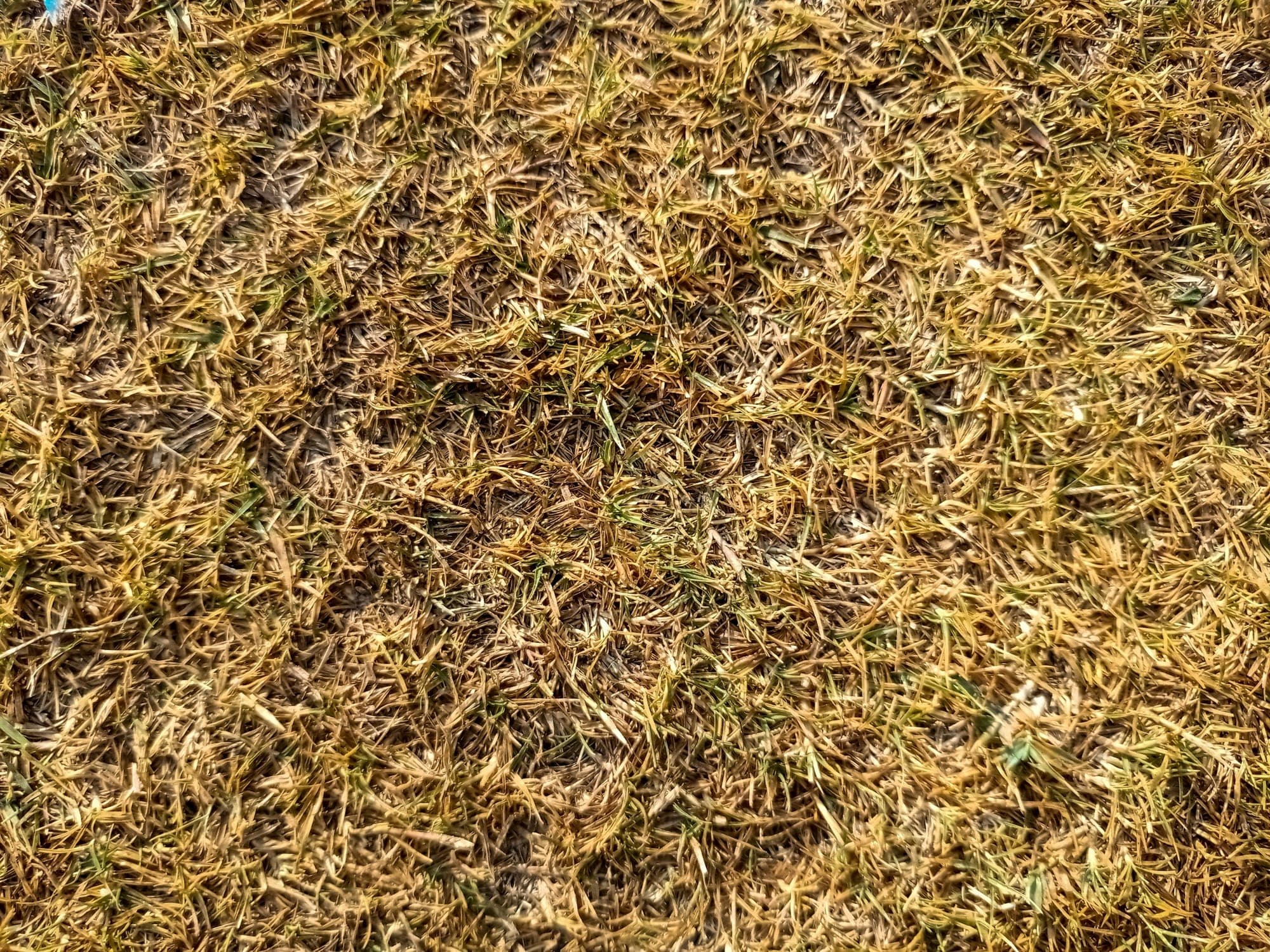

Want a hand with your garden?
Tell us what you have in mind and we'll arrange a free, no-obligation visit and quote.
Free, no-obligation visit · Mon – Fri: 9:00 – 18:30