
Lawns
Scarifying Looks Brutal for a Reason. A Lawn That Isn't a Mess Afterwards Wasn't Scarified Properly.
The RHS points to autumn, ideally October or early November, while the grass is still growing strongly. Some lawn suppliers favour spring instead, so here is how the two compare and how to choose.
By the Aspen Rose team6 min read
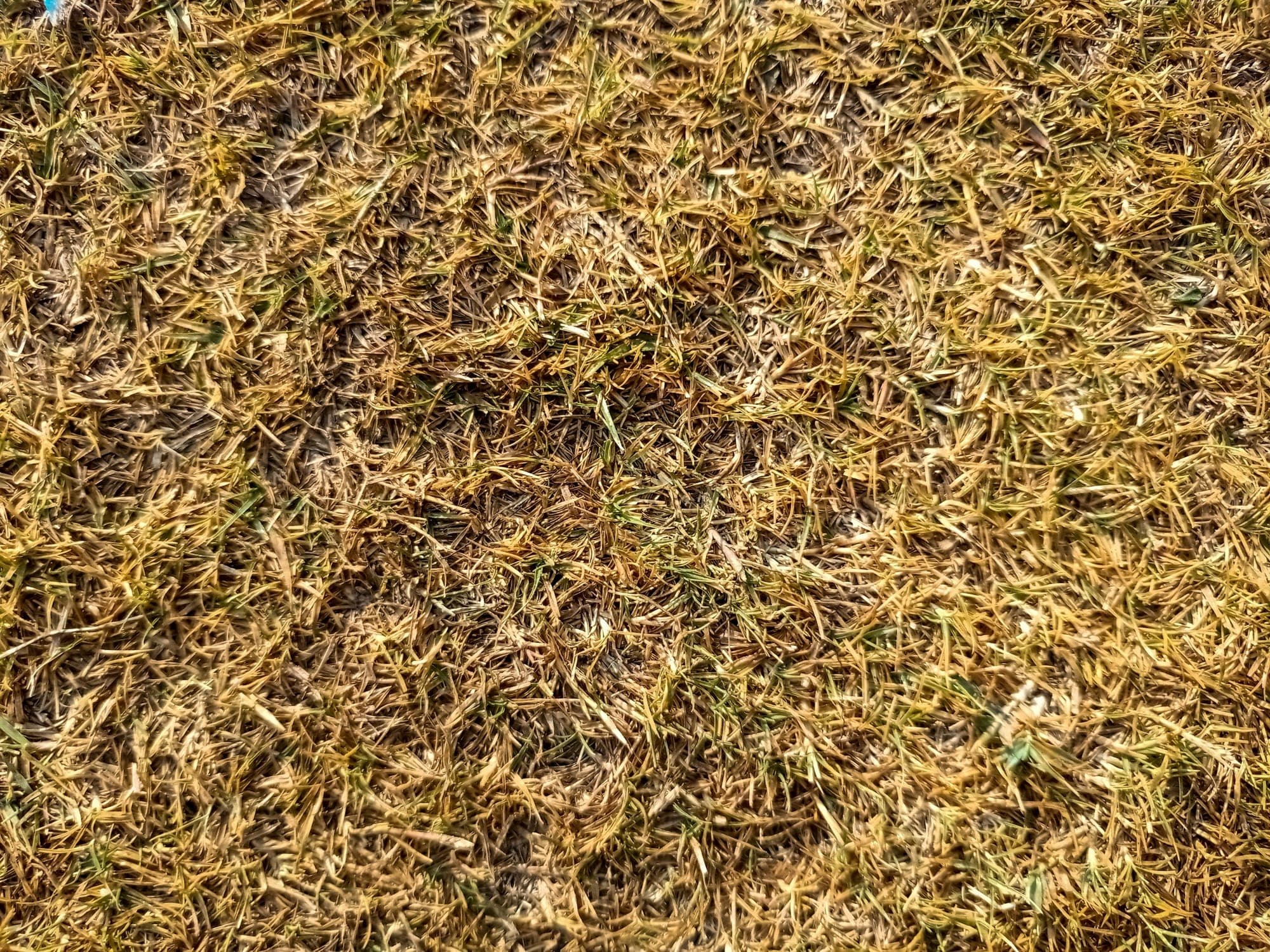
A scarified lawn looking wrecked for a couple of weeks afterwards is not a sign something went wrong. It is a sign the job was done properly, and the lawns that look untouched the next morning are usually the ones that needed it most and did not get it.
What is scarifying, and what is thatch?
Thatch is the layer of old clippings, moss and other debris that sits on the soil surface, under the green leaves, slowly choking off what is underneath. Scarifying is the job of raking it out, either by hand or with a powered machine.
The RHS lists a thick build-up of thatch among the things that make a lawn more prone to dry patch, where the soil repels water outright. Which? adds the mechanism: dead moss turns into thatch that blocks air and water from reaching the grass roots at all.
How do you know if your lawn needs it?
The RHS gives a simple test: if you cannot see soil between the grass blades, the lawn would benefit from scarifying.
Agrigem, a UK lawn supplier, suggests a different check. Draw a rake gently across the lawn, and if moss, clippings or other organic material comes away easily, scarify. If very little does, wait and test again later rather than forcing the issue. A lawn full of weeds is worth treating as a sign too, even when the rake test itself is unclear.
Lawns do not always need it, and more is not automatically better here. Agrigem says once a year is usually enough, with twice a year acceptable only if the lawn genuinely needs it.
When is the best time to scarify?
Autumn is the RHS's clear choice. Its autumn lawn care page gives September and October, and its moss guidance narrows that further to October or early November, when the grass is growing strongly enough to recover fast. The October list adds conditions worth respecting: scarify as long as the soil is not waterlogged and the weather is not very wet, very dry or frosty.
The reasoning is entirely about recovery. A scarified lawn looks patchy for a while, and the RHS says it should bounce back on its own, but only if the grass has the mild, damp weather and active growth that early to mid-autumn provides. Autumn is also the RHS's preferred time to repair bare areas, so reseeding straight afterwards is less an extra step than the natural next one.
Spring is the main alternative, and the sources agree far less there.
| Season | What the sources say |
|---|---|
| Autumn | The RHS's recommended time: October or early November, with the grass growing strongly. |
| Spring | Agrigem says April or early May is ideal. The RHS's March and April lists only mention raking out moss and debris with a spring-tined rake. |
| Summer | The RHS says to leave excess thatch for autumn, not August. |
| Winter | Avoid frosty weather, says the RHS. |
In practice, spring raking is a light tidy-up of moss and old debris, while autumn is the one occasion for a proper scarify. The RHS's autumn window is October and early November, so a lawn that is still green and growing in the middle of that period is in exactly the right state to take it.
New lawns need time before any of this applies. Agrigem says to wait a year after laying turf or sowing seed before scarifying at all.
How hard should you rake?
Firmly, but short of pulling the grass out by the roots. The RHS advises raking vigorously with a spring-tined rake to lift thatch without uprooting the grass, working in one direction and then across it. Which? suggests mowing a little shorter than usual first, though it stops short of giving an exact height.
For a larger lawn, the RHS suggests a powered scarifier or scarifying attachment, or tackling one section each autumn rather than the whole thing at once. Lawnsmith, a retailer, puts it plainly: hiring a machine for a day or so is the best bet if you will not need it twice a year.
Take the debris away rather than leaving it to blow back onto the lawn. The RHS says it can go straight on the compost heap.
What should you do afterwards?
Raking opens the lawn up, and the gaps will fill with weeds and moss by default unless the grass gets a head start first.
- Repair and overseed. Which? suggests sowing seed at the packet rate for a new lawn and brushing in a top dressing at about 2kg per square metre. Our guide on when to overseed a lawn covers timing and seed choice.
- Aerate if the ground is compacted. On clay or waterlogged lawns the RHS suggests a hollow-tined aerator every three to four years, not as a routine annual job.
- Feed if the grass is growing poorly. The RHS suggests an autumn feed after scarifying and aerating, not before. See when to feed your lawn for what to look for.
- Delay mowing. Which? says to leave the lawn for two or three weeks after top dressing and sowing, however tempting it is to tidy it sooner.
Raking out moss only helps for a season if whatever caused it stays the same. How to get rid of moss in your lawn explains the actual causes worth fixing.
Our garden maintenance service can include lawn care through the autumn, and the visit to look at your lawn is free.
Sources
- RHS: Lawn care in autumn
- RHS: Moss in lawns
- RHS: Dry patch in lawns
- RHS: October lawn jobs
- RHS: August lawn jobs
- RHS: March lawn jobs
- RHS: April lawn jobs
- Which?: Gardening jobs for September
- Which?: How to get rid of moss in a lawn
- Agrigem: When should you scarify a lawn?
- Lawnsmith: When to rake or scarify
This reflects what tends to work on lawns in London and Hertfordshire's clay-heavy soils, not a guarantee for yours. Drainage, shade and how compacted the ground is all change the right approach, so treat this as a starting point — get in touch if you'd like us to take a proper look at what's actually going on in yours.
Scarifying questions
What is the difference between scarifying and aerating?
Scarifying rakes dead material out of the surface. Aerating makes holes to relieve compaction and improve drainage, using a fork or a hollow-tine aerator. The RHS lists them as separate autumn jobs, and says most lawns need aerating only every two to three years.
Will scarifying make my lawn look worse?
Yes, for a while. The RHS says the lawn may look patchy afterwards but should recover. Removing a lot of moss leaves bare gaps, which is why Which? suggests oversowing straight afterwards.
Can I scarify a lawn after a dry summer?
Wait and judge the weather. The RHS says to avoid scarifying in very dry conditions, and its drought guidance says brown grass usually greens up by itself once autumn rain arrives. Let the lawn recover first, then renovate in autumn if the soil is damp and the grass is growing.
Related services
More from the blog
All articles →
Want a hand with your garden?
Tell us what you have in mind and we'll arrange a free, no-obligation visit and quote.
Free, no-obligation visit · Mon – Fri: 9:00 – 18:30