
Seasonal care
May Is When a Skipped April Job Finally Catches Up With Your Garden
In London, May is when frost stops being the main risk and tender plants can go out, from the second half of the month. It is also peak nesting season, and the month to decide how you will mow.
By the Aspen Rose team6 min read
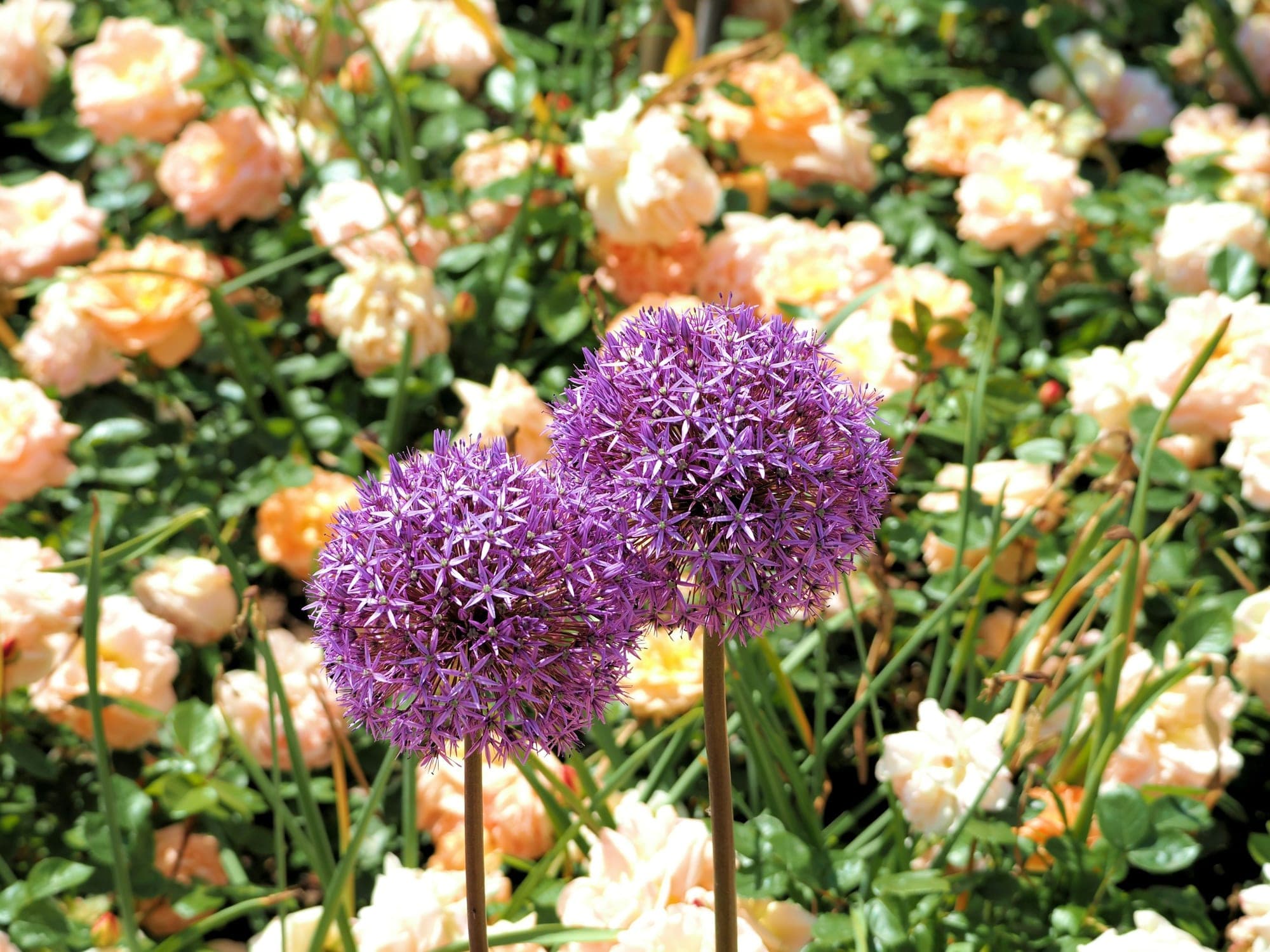
The frost risk ends in May, but not on a set date, and this is also the month where April's deadlines stop being flexible. Miss the early-May cut-off for lawn seed and the only honest answer is to wait for autumn. How to mow and whether to touch a hedge are the other two decisions still open to you.
When is it safe to plant out in London?
Waiting a week longer than you want to is the better mistake to make.
The RHS puts planting out in London and southern England in the second half of May. It does not list London separately, but says urban gardens are sheltered and may be one to two weeks ahead of the regional guide, while exposed or frost-prone sites should wait longer.
The more reliable rule is the weather itself:
- Wait for nights that are consistently above 7°C. The RHS says heat-loving crops such as tomatoes, peppers, basil and cucurbits (the courgette family) do better with nights above 10°C.
- Allow for the gap after the last air frost. The RHS says planting out normally comes two to four weeks after it.
- Harden off first. The RHS plant-out guide says two to three weeks, putting plants outside in a sheltered, part-shaded spot by day and bringing them in at night. Its May flower page says 10 to 14 days. Take the longer figure for a tender plant such as a dahlia in a pot.
- Keep fleece ready. The RHS says heavier fleece gives about 2°C of frost protection, with a double layer on the coldest nights.
For scale, the Met Office's 1991 to 2020 averages for Heathrow show 0.03 days of air frost in May, with a daytime high of 18.4°C and a night-time low of 9.1°C. These are averages for west London, not forecasts, so a cold spell can still arrive. Dahlias and cannas go out only once the danger of frost has passed, and tender shrubs such as Penstemon, Caryopteris and fuchsias should be cut back only after the same point. How to protect plants from frost covers the cover-up routine.
Should you mow the lawn in May?
It depends on what you want from the lawn, and the RHS gives different answers because there are different goals. Its jobs page says to mow weekly while leaving some areas uncut. Its lawn page says to reduce mowing on a traditional lawn to about once a fortnight in May, to let flowers develop, and suggests leaving all or part of the lawn unmown until at least August for the most benefit to wildlife.
| If you want | Then |
|---|---|
| A neat, even lawn | Mow regularly and compost the clippings, or leave them as mulch in dry spells |
| A lawn that supports wildlife | Mow about every two weeks, or leave a patch uncut until August |
| A new lawn | Sow in early May, and keep off it until the grass is 5 to 8 cm tall |
That new-lawn row has the sharpest deadline on this page. If you miss early May for seed, the RHS says to wait until September. It also says not to lay turf before September, because turf laid now may fail in a hot, dry summer. Water new lawns in dry spells, using rain from a water butt if you have it.
What about hedges and shrubs in May?
Check for nests before you cut anything, and postpone the work until after August if you can. The RHS says May is nesting season, that you should stop at once if you suspect birds are nesting, and that dense or mature shrubs and trees need particular care. The RSPB recommends cutting hedges only between 1 September and the end of February.
The RHS also lists evergreen hedge clipping among May jobs, so the sources do not say the same thing. The sensible reading is that the RHS timing suits the plant, and the nesting check decides whether this particular day is safe. The detail is in when to trim a hedge, and our hedge trimming and pruning service can check and cut a hedge if you would rather not.
Spring-flowering shrubs such as Choisya, Chaenomeles and Ribes are pruned once they have flowered.
What happens in the borders and with the bulbs?
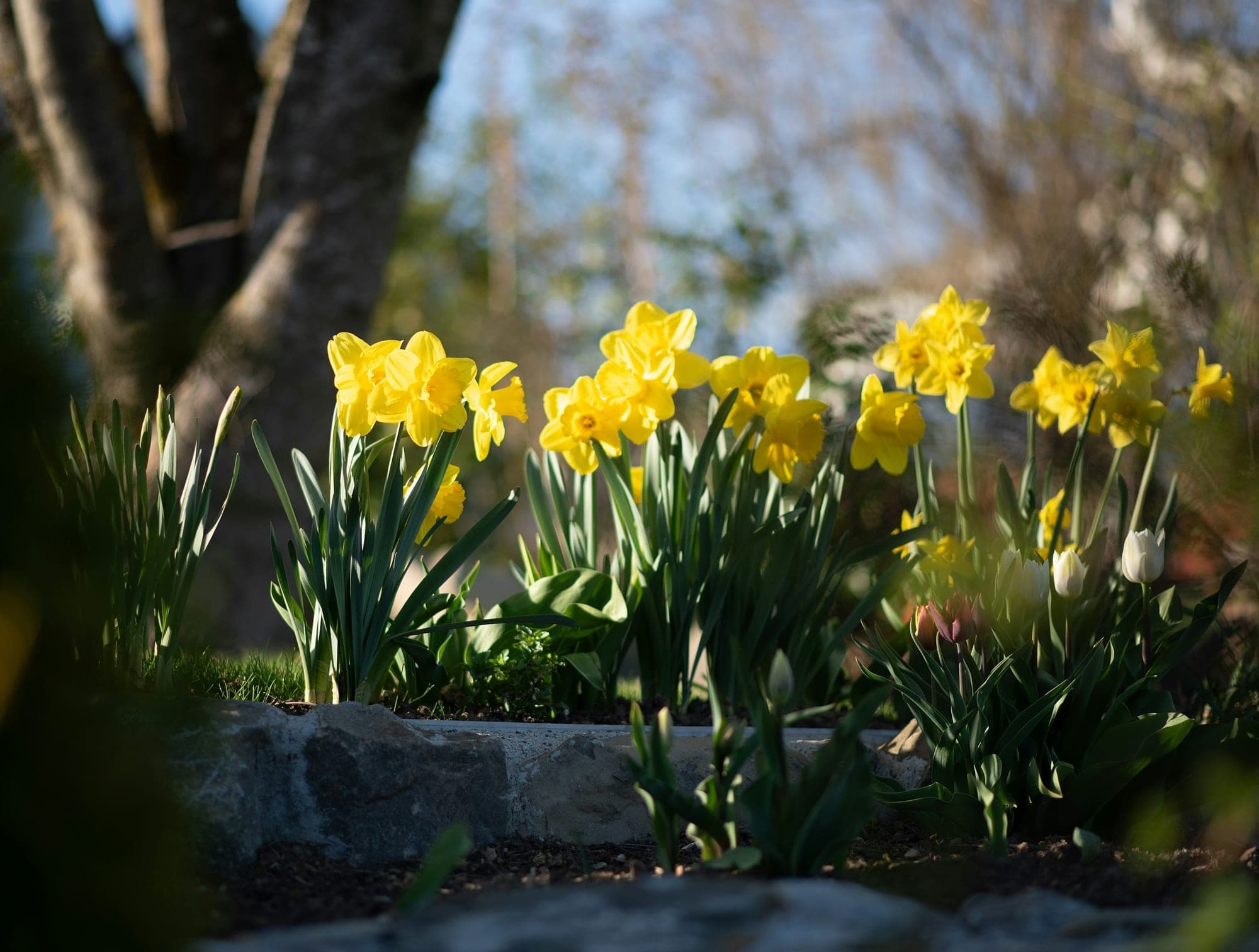
Leave the leaves on spring bulbs. The RHS says to deadhead tulips and daffodils but keep the foliage, and to feed with seaweed liquid fertiliser after flowering. Overcrowded daffodil clumps can be lifted and divided once they have flowered. Add supports to heavy-headed plants such as peonies before they grow, and keep hoeing weeds.
Look for red lily beetle, whose larvae the RHS says can strip a plant within days. Water tubs and baskets early or late in the day, and reuse water where you can.
If May is when the garden gets away from you, our garden maintenance service is the regular option, and you can request a free visit on our contact page.
The months either side
Last month is in April, and June moves on to watering and keeping the lawn alive.
Sources
- Met Office: Heathrow location-specific long-term averages, 1991 to 2020
- RHS: When to plant out tender plants to avoid frosts
- RHS: May jobs
- RHS: May lawns
- RHS: May trees and shrubs
- RHS: May flower garden
- RSPB: Birds' nests and nestboxes
This reflects our own read of what matters most in a London or Hertfordshire garden in May, not a guaranteed task list for yours. Exactly when frost risk ends and how far behind your lawn is depends on your own site and the year you are having, so treat this as a guide rather than a fixed date. Get in touch if you would like a hand catching up.
May garden questions
What counts as No Mow May?
It means leaving the lawn, or part of it, unmown during May so that wildflowers can bloom for pollinators. The RHS says that the most benefit comes if the area is left until at least August. You can leave the whole lawn or just a section, and mowing a path through it keeps access easy.
Is it too late to sow lawn seed in May?
Not in early May. The RHS says new lawns can be sown and bare patches reseeded then, after forking, weeding, levelling and lightly firming the soil. If you miss that window, wait until September rather than sowing into summer heat. Keep off new grass until it is 5 to 8 cm tall.
Should you cut back spring plants that have finished flowering?
Some benefit from it. The RHS says to cut back pulmonaria and doronicum to encourage fresh foliage, and to trim patchy alyssum and aubrieta after flowering. Lift and divide primroses after flowering too. Leave tulip and daffodil leaves alone until they die down.
Related services
- Garden MaintenanceRegular garden maintenance across London and Hertfordshire — mowing, pruning, weeding and seasonal care from an experienced team. Get a free quote.
- Hedge Trimming & PruningHedge trimming and pruning across London and Hertfordshire — precise, expert shaping for hedges, shrubs and trees from Aspen Rose. Get a free quote.
More from the blog
All articles →
Want a hand with your garden?
Tell us what you have in mind and we'll arrange a free, no-obligation visit and quote.
Free, no-obligation visit · Mon – Fri: 9:00 – 18:30