
Seasonal care
By June, Watering Technique Matters More Than Almost Anything Else You Do in the Garden
June is a month for choosing where water goes, mowing higher in dry spells, pruning only what has finished flowering and checking hedges for nests. It is not the month to sow or turf a lawn.
By the Aspen Rose team6 min read
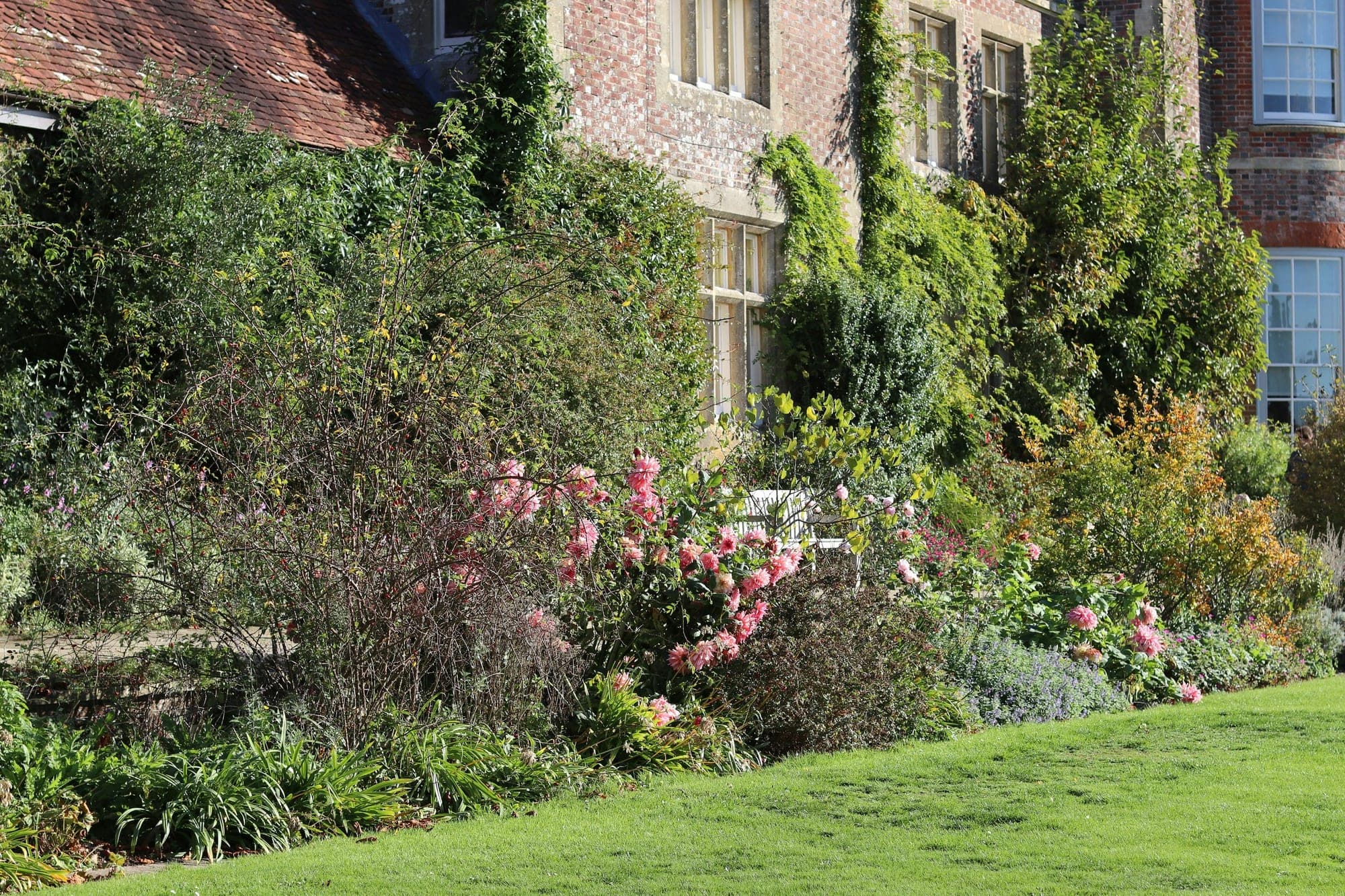
By June the garden is growing fast, and the single most common mistake is watering the wrong things. An established lawn that gets soaked out of habit wastes water the new hedge or the tubs actually need. Most of the month's other decisions are about the same kind of restraint: what to cut, and what to put off until autumn.
What is June like in a London garden?
At Heathrow the Met Office's 1991 to 2020 averages give a June daytime high of 21.6°C and a night-time low of 12.0°C. There is no air frost, and 47.3 mm of rain falls over about 8.3 days. That is similar to May, and it is less than 50 mm for the whole month.
Heathrow is in west London, and an average hides heatwaves and dry spells. In a hot week the advice changes, and how to protect garden plants in a heatwave takes over. If a hosepipe ban is in force, watering during a hosepipe ban explains what is allowed.
Where should the water go?
Get the order below right and you can stop worrying about the rest of the garden. Newly planted trees and shrubs come first, then containers, then new lawns. The RHS says not to let new trees and shrubs dry out, to keep tubs, baskets and alpine troughs well watered, and to use rain or recycled water where possible. Bedding plants should be watered in well and kept moist in dry weather.
New lawns come next. The RHS says areas sown or turfed in spring need watering every few days unless it rains, because turf that dries out shrinks and fails to knit.
An established lawn is the one most people get wrong, because it needs no water at all. The RHS says not to water it, even in dry spells, because grass may turn brown but should recover when rain returns. If you do decide to water one, how often to water your lawn has the amounts.
How should you mow in June?
Mow regularly, and leave the grass a little longer in dry spells to help it cope. The RHS jobs page says weekly, while its lawn page says trimming every two weeks lets flowers develop and helps wildlife, so choose by what you want from the lawn. A mulching mower returns finely shredded clippings that help hold moisture in the turf.
More points from the RHS:
- No Mow areas. If you left part of the lawn uncut in May, the RHS says to keep it until at least August for the most benefit to wildlife. A mown path through it helps access.
- Furniture and toys. Move them regularly, or they leave yellow patches.
- New grass from seed. When seedlings reach 5 to 7.5 cm, firm the soil lightly, and cut to about a third of the height two or three days later.
- New turf. Tug the grass to check it has rooted, usually about three weeks after laying, and then mow with the blades high. In hot weather keep them high or stop mowing for a while.
Which pruning is right for June?
Prune what has flowered, and be careful with hedges. The RHS says deutzia, weigela, philadelphus and kolkwitzia should be pruned straight after flowering, because later pruning gives new growth less time to ripen and can reduce next year's flowers. Rhododendrons get light pruning after flowering, with heavy pruning left for early spring, and deciduous magnolias are pruned later in the month once in full leaf.
For hedges, the RHS says evergreen hedges such as privet and box can be trimmed if needed, but to check thoroughly for nesting birds first. The RSPB recommends cutting hedges only between 1 September and the end of February, so a June trim should be a deliberate exception. When to trim a hedge in the UK sets out the checks, and our hedge trimming and pruning service takes the green waste away.
What needs doing in the borders and pots?
- Stake tall perennials to protect the flower spikes from wind.
- Cut back after flowering. The RHS says Oriental poppies go back to ground level, and hardy geraniums and alchemilla can be trimmed. Euphorbia sap irritates skin and eyes, so wear protection.
- Feed containers. Liquid feed every two to four weeks with seaweed or comfrey feed.
- Hoe weeds regularly before they seed.
- Check for pests. The RHS says vine weevil larvae often attack container plants in June, and lily beetle larvae are worth looking for on lilies.
Leave spring bulb foliage alone until it has died down naturally, because cutting it early can stop bulbs flowering next year.
What should wait until autumn?
Sowing grass seed and laying turf. The RHS says not to do either over summer because it is hard to establish them in hot, dry weather, and to wait until early to mid-autumn. The same applies to planting container-grown trees and shrubs where summer rain is scarce. Our garden maintenance service can keep the existing lawn and borders in order meanwhile, and you can ask for a free visit on the contact page.
The months either side
Last month is in May, and July is the next list.
Sources
- Met Office: Heathrow location-specific long-term averages, 1991 to 2020
- RHS: June jobs
- RHS: June lawns
- RHS: June trees and shrubs
- RHS: June flower garden
- RSPB: Birds' nests and nestboxes
This reflects our own read of what matters most in a London or Hertfordshire garden in June, not a guaranteed task list for yours. How much water your own soil, containers and new planting actually need varies with your garden and the summer you are having, so treat the priorities above as a guide rather than a schedule. Get in touch if you would like a hand keeping on top of it.
June garden questions
Can you plant in the garden in June?
Yes, with care. The RHS says container-grown trees and shrubs can go in wet areas, but to avoid planting where summer rain is scarce, because autumn gives better establishment. Summer bedding can go in now and should be watered in well. Newly planted trees and shrubs must not be allowed to dry out.
Should you rake the moss out of your lawn in June?
Only if it is a real problem. The RHS says good maintenance controls moss, and that a spring-tined rake can remove it in damp, poorly drained lawns. It also recommends leaving some, because moss keeps lawns green in poor conditions and supports invertebrates.
Related services
- Garden MaintenanceRegular garden maintenance across London and Hertfordshire — mowing, pruning, weeding and seasonal care from an experienced team. Get a free quote.
- Hedge Trimming & PruningHedge trimming and pruning across London and Hertfordshire — precise, expert shaping for hedges, shrubs and trees from Aspen Rose. Get a free quote.
More from the blog
All articles →
Want a hand with your garden?
Tell us what you have in mind and we'll arrange a free, no-obligation visit and quote.
Free, no-obligation visit · Mon – Fri: 9:00 – 18:30