
Lawns
A Daily-Watering Habit Trains Your Lawn's Roots to Stay Lazy and Shallow
An established lawn does not need regular watering, according to the RHS. A new one does, daily at first. Here is how much to give and how to check.
By the Aspen Rose team6 min read
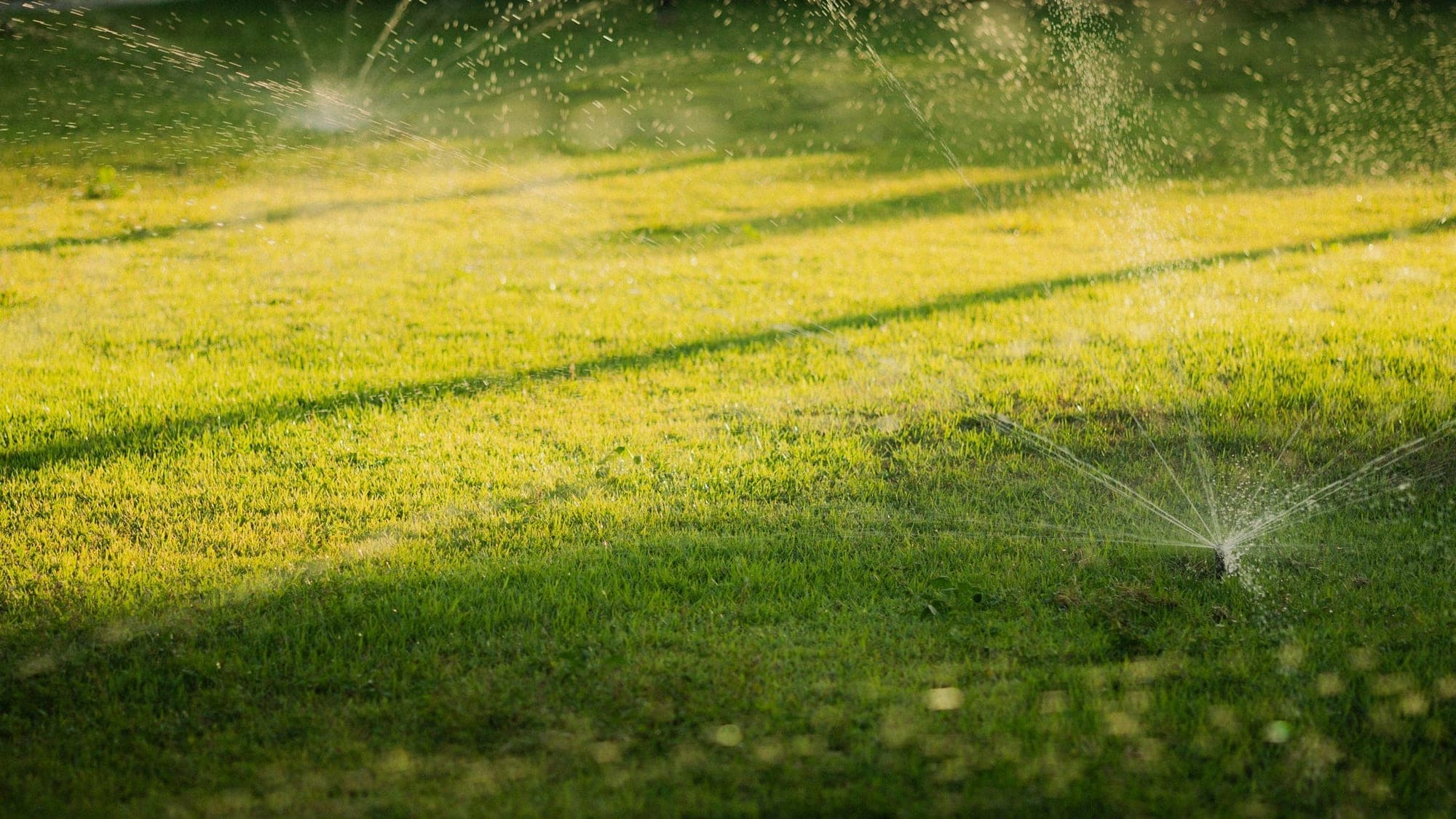
A fixed schedule is the wrong tool for this job. How often a lawn needs water depends on its age, the weather and the soil underneath it, and those three things change from week to week, so the honest answer is "check the lawn, not the calendar."
Does an established lawn need watering at all?
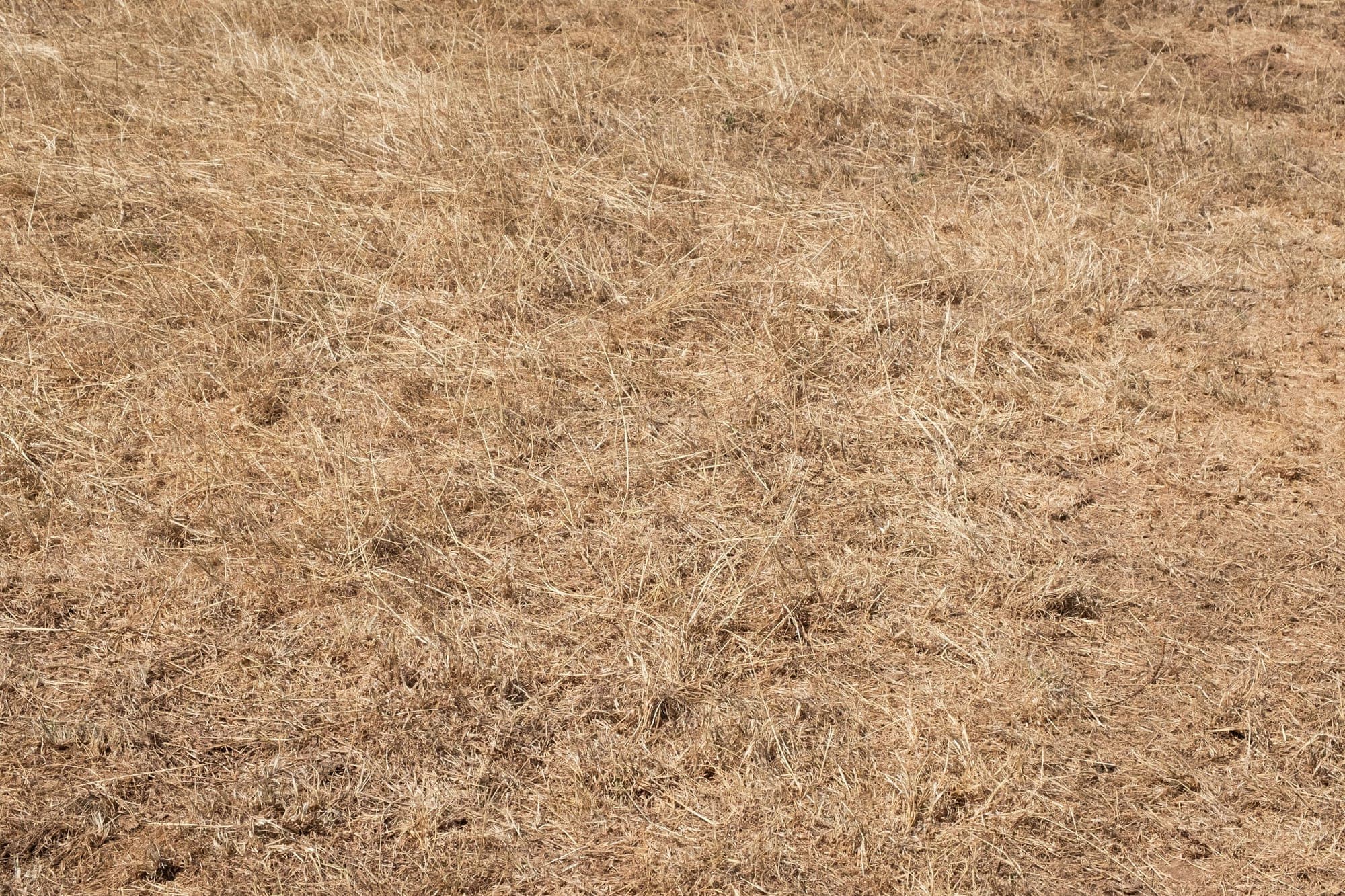
Usually not, and most people reach for the hose far too readily. The RHS says that in a well-established lawn the roots stay alive when the top growth browns, and the grass regrows once rain returns. Its advice is to resist watering through the summer, however brown the lawn gets.
There are three reasons to hold back.
- It wastes mains water. The RHS says an hour of hose use equals about two days of normal water supply for a family of four.
- It can actively backfire. The RHS says frequent sprinkler use encourages shallow roots, which leaves the lawn worse prepared for the next dry spell, not better. A watering habit meant to protect the grass ends up training it to need protecting.
- It rarely needs to be done. The RHS suggests mowing less often and raising the cutting height instead, which encourages deeper rooting.
The exception is a lawn that was already in poor condition. The RHS says that poor lawns, or a very severe drought, can weaken the roots as well as the leaves. If a lawn browns every summer, the RHS says good autumn care, scarifying and aerating, should help to reduce browning in later summers. Our article on how to save a lawn in a heatwave covers the weeks when it is hot.
How often should you water a new lawn?
A new lawn needs regular watering until it is established, and daily in the first weeks if the weather is warm, dry or windy. The RHS says newly seeded lawns must not dry out on the surface, and newly laid turf should stay damp underneath. You can check turf by lifting a corner. After three or four weeks, the RHS says to move to less frequent but deeper watering.
The published advice does not agree on a number, so here is how it fits together.
| Source | What it says |
|---|---|
| RHS, watering guide | Daily in warm, dry or windy weather at first, then less often but deeper after three to four weeks |
| RHS, lawn care in spring and summer | Every 7 to 10 days is normally enough, or less often if damp, until established |
| RHS, August lawn advice | Water spring-sown or turfed lawns every few days unless it rains |
| Turf Online (turf supplier) | Daily for two to four weeks; its summer advice is twice a day for the first week, then two to three times a week until rooted |
The RHS pages do not say which stage each figure suits. A sensible reading is that daily is for the first fortnight or so and for hot spells, and every 7 to 10 days is for a lawn that has begun to root, in cool or damp weather. Check the soil, not the calendar. If it is dry under the turf, water.
How much water is a proper soak?
A proper soak wets the soil below the surface, not just the grass. For newly sown or turfed lawns, the RHS suggests standing a jam jar on the lawn as a gauge and watering only long enough to wet the roots, which it puts at about 13mm in the jar. One millimetre of water over one square metre is one litre, so 13mm is about 13 litres per square metre. A 10-litre can emptied over a square metre applies about 10mm.
Turf Online asks for the top 10cm of soil to be wet for new turf, and says that within about half an hour of finishing it should feel damp at that depth. That agrees with the RHS idea of deep and infrequent watering: it is better to give a full soak and let the surface dry than to sprinkle every evening.
Does soil type change how often?
Yes, mainly through how quickly the lawn runs dry. The RHS notes that brown patches in dry weather tend to appear where the soil is sandy and drains quickly, and where tree roots run under the lawn, because those spots run short of moisture first.
The RHS does not give separate litres for sand and clay. What it does say is that adding organic matter helps sandy soils hold water and heavy clay soils drain. For a new lawn, that is worth doing before the turf goes down.
Can you water too much?
Yes, and generosity isn't the same as good care here. The RHS warns that saturating the soil of a new lawn can cause shallow rooting and poor establishment, so even a thirsty lawn should be watered to its actual needs, not on the assumption that more is safer. Overwatering also wastes water, and during a temporary use ban a sprinkler may not be allowed at all. Our article on watering during a hosepipe ban explains the rules, and the best time to water a lawn covers the time of day.
If you would like a second opinion on your lawn, we offer a free, no-obligation visit through our garden maintenance service.
Sources
- RHS: Watering plants wisely
- RHS: Lawn care for drought conditions
- RHS: Lawn care in spring and summer
- RHS: Lawns in August
- RHS: Garden watering methods
- RHS: Use less water in the garden
- RHS: Dead patches in lawns
- RHS: Lawn mowing guide
- RHS: Drought-resistant gardening
- Turf Online: How long do I need to water my turf after it is installed?
This reflects what tends to work on lawns in London and Hertfordshire's climate and soils, not a guarantee for yours. Every lawn is different, so treat this as a starting point. Get in touch if you'd like us to take a proper look at what's actually going on in yours.
Lawn watering frequency questions
How do I know when new turf has rooted and I can ease off?
Turf Online says turf typically needs two to four weeks to root, and the RHS says to switch to less frequent, deeper watering after three or four weeks. Lift a corner now and then to see whether the soil underneath is still damp, and widen the gap between waterings gradually if it is.
Is a timer on a sprinkler a good idea?
Usually not for a lawn. The RHS calls sprinklers one of the least efficient ways to water, and says timer-operated systems can be complemented with rain sensors. A timer alone cannot tell that it rained last night, and the RHS warns that too much water can leach nutrients below the root zone. If you use one, check the soil first and switch it off when the weather turns.
Will watering stop my lawn browning in summer?
Only if you keep it up, and the RHS does not recommend it for established lawns. Browning is common in hot, dry summers, and most lawns green up again after rain. The RHS says autumn scarifying and aerating can reduce browning in later summers.
Related services
More from the blog
All articles →

Want a hand with your garden?
Tell us what you have in mind and we'll arrange a free, no-obligation visit and quote.
Free, no-obligation visit · Mon – Fri: 9:00 – 18:30