
Lawns
Most "Dead" Summer Lawns Are Dormant, Not Dead, and One Simple Test Proves It
A brown lawn after a dry summer is usually alive. Two simple tests, a firm tug and a small watering trial, show which patches are dormant and which need reseeding.
By the Aspen Rose team6 min read
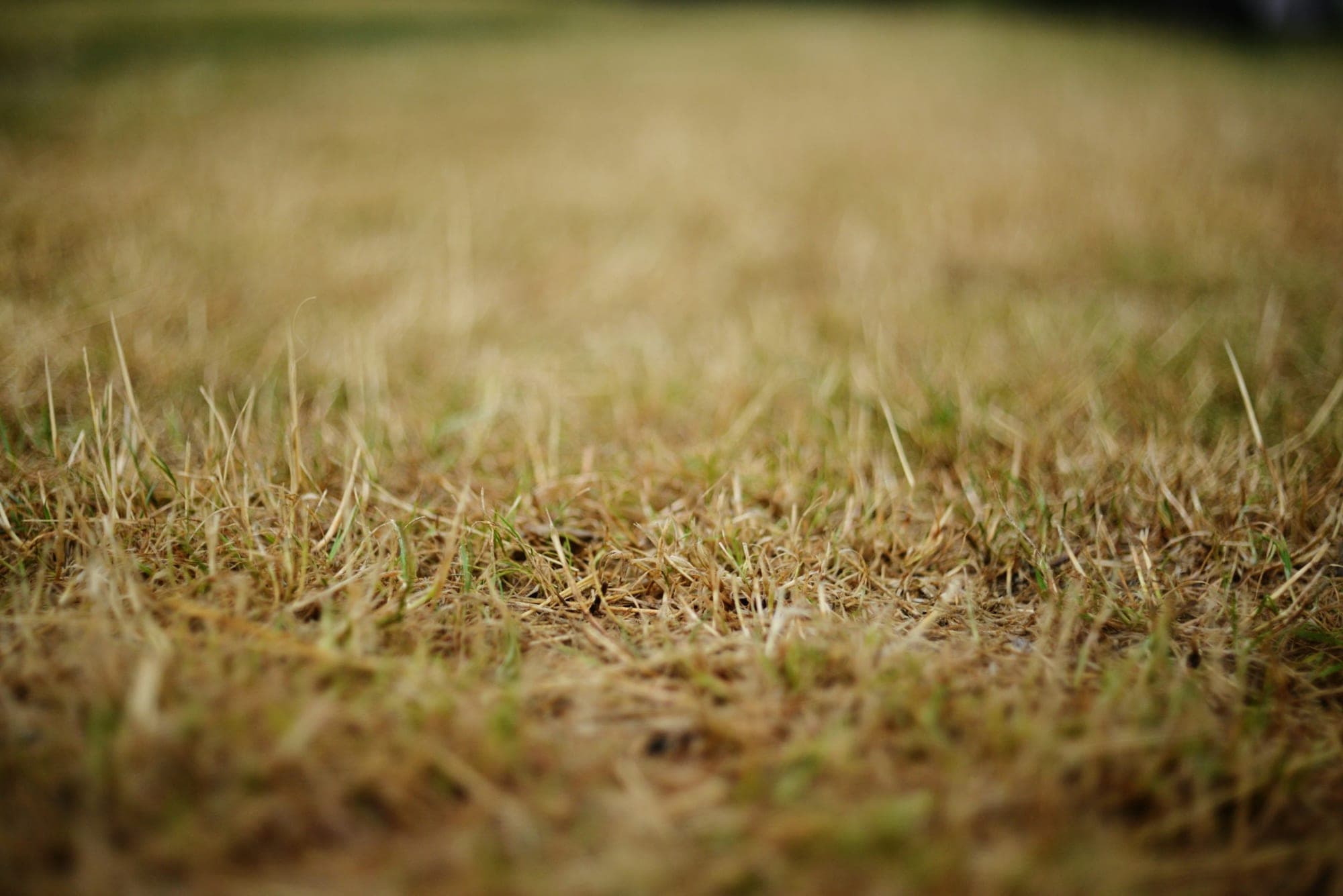
A crisp brown lawn in August looks finished. Dig a little deeper and most of the time it isn't: the RHS says that when drought browns the top growth of a well-established lawn, the roots often survive and send up new leaves after rain.
Poor lawns and severe droughts are the exceptions, so don't take the brown at face value either way. Run the test.
How do you do the tug test?
Take a handful of brown grass and pull it firmly upwards. If it resists and stays anchored, the plants are dormant. If it comes away easily, the roots have probably gone.
Two things make the test more reliable.
- Test several places. A lawn can be partly dormant and partly dead, and one tuft tells you about one patch.
- Do not trust it on recent damage. Lawnsmith, a UK supplier of lawn-care products, warns that the tug test can fail on a lawn that has only just died, because the roots are still in place.
Purdue University's turf team, writing about American lawns, makes the same point more bluntly: it can be hard to tell until the turf has fully rehydrated, so look for green shoots at the base before writing it off.
What is the watering test?
The watering test settles the question in about two weeks. Lawnsmith describes it like this: water one spot every other day for eight days, building up gradually because water may run off at first, until the fourth session runs for about an hour. Then wait another week. Dormant grass starts to green. Dead grass stays brown.
This is a trial on one small area, not a case for watering the whole lawn. The RHS still advises against watering established lawns in summer, and Purdue advises against starting to water a lawn that you have not been watering. If a temporary use ban is in force, do the test with a watering can or stored rainwater. Our article on watering during a hosepipe ban explains the rules.
Could something other than drought be killing the grass?
Yes, and it matters because the fix is different. Two causes are worth ruling out when patches do not recover.
Dry patch. The RHS describes this as soil that has become water-repellent, so rain runs off and the soil underneath stays bone dry. The grass turns darker green, then brown. The RHS suggests spiking the patch densely, then watering lightly every day for a few days, with a wetting agent as an option and the treatment repeated monthly for three to four months. Severe cases mean removing the turf and 8 to 10cm of soil.
Leatherjackets. These are the larvae of crane flies, and the RHS says to lift a piece of the affected turf and check the top layers of soil for grubs up to 30mm long. Birds probing the lawn and leaving small round holes are another sign. Damage can show from February to October. The RHS says nematode treatment works best in moist soil at 12°C or above, applied from September to early October, so by the time damage is obvious the soil may already be too cold.
How long does recovery take?
There's no countdown clock here, whatever a calendar-style guide might promise. The RHS says brown patches from drought usually recover on their own once autumn rain arrives and temperatures fall, and gives no fixed number of weeks. Purdue also gives no set timeline, saying recovery depends on rehydration.
Lawn by Season, a commercial lawn-care site with a UK section, offers a rule of thumb: first green flecks one to two weeks after the soil rehydrates, patchy green by two to four weeks, and overseeding if there is still no green after about eight weeks. It is not an RHS figure, so treat it as a rough guide.
When should you reseed?
Reseed the patches that failed both tests, and do it in autumn if you can. The RHS says the autumn after a dry summer is the ideal time to renovate, and recommends a drought-tolerant seed mix for sparse areas. Its method for a bare patch is to lift the dead turf to about 5cm, loosen and level the soil with compost, sow at 15 to 25g per square metre, cover lightly and water gently with a fine rose. The RHS gives no cut-off date, so if the weather turns cold and wet, waiting for spring is a legitimate choice.
Do not use weedkiller or fertiliser on drought-hit turf in autumn, the RHS adds. Lawnsmith adds that old lawns tend to suffer worst in a drought, because compaction limits how much water the soil can hold.
Our heatwave lawn guide covers prevention. If you would like a second opinion on a lawn that has not come back, we offer a free, no-obligation visit through our garden maintenance service.
Sources
- RHS: Lawn care for drought conditions
- RHS: Lawns, dead patches and fixes
- RHS: Lawns, dry patch problems and fixes
- RHS: Leatherjackets
- RHS: Repairing lawns
- RHS: Lawns in September
- Lawnsmith: Is my grass dead or dormant?
- Lawn by Season: Is my lawn dead?
- Purdue University: My lawn is brown and crunchy, is it dead?
This reflects what tends to happen to lawns in London and Hertfordshire's climate and soils, not a guarantee for yours. Every lawn is different, so treat this as a starting point. Get in touch if you'd like us to take a proper look at what's actually going on in yours.
Brown lawn questions
Should I mow a brown lawn?
Not until it greens up. The RHS says to take a break from mowing when growth stops, and one garden expert quoted by Homebuilding advises holding off on a dormant lawn until it recovers. When you do mow again, keep the blades high and never remove more than a third of the grass height.
Could dog urine or fertiliser be the cause?
Possibly. The RHS says dog urine leaves circular patches with bright green edges, and a fertiliser overdose leaves regular brown stripes or patches after feeding. Both are sharper and more local than drought browning. Water a urine spot straight away, and follow the packet dose and spread feed evenly.
Will a lawn feed bring it back?
Not while it is stressed. Purdue says nitrogen pushes leaf growth when water is already short, and the RHS says to avoid fertiliser on drought-hit turf in autumn and wait until spring, when the grass is growing strongly.
Related services
More from the blog
All articles →
Want a hand with your garden?
Tell us what you have in mind and we'll arrange a free, no-obligation visit and quote.
Free, no-obligation visit · Mon – Fri: 9:00 – 18:30