
Seasonal care
July's Heat Makes Lazy Lawn Mowing Look Responsible. It Isn't.
July is about keeping plants alive, not tidying. Water new plantings and pots first, leave an established lawn alone, mulch, and check for nests before any hedge cut.
By the Aspen Rose team6 min read
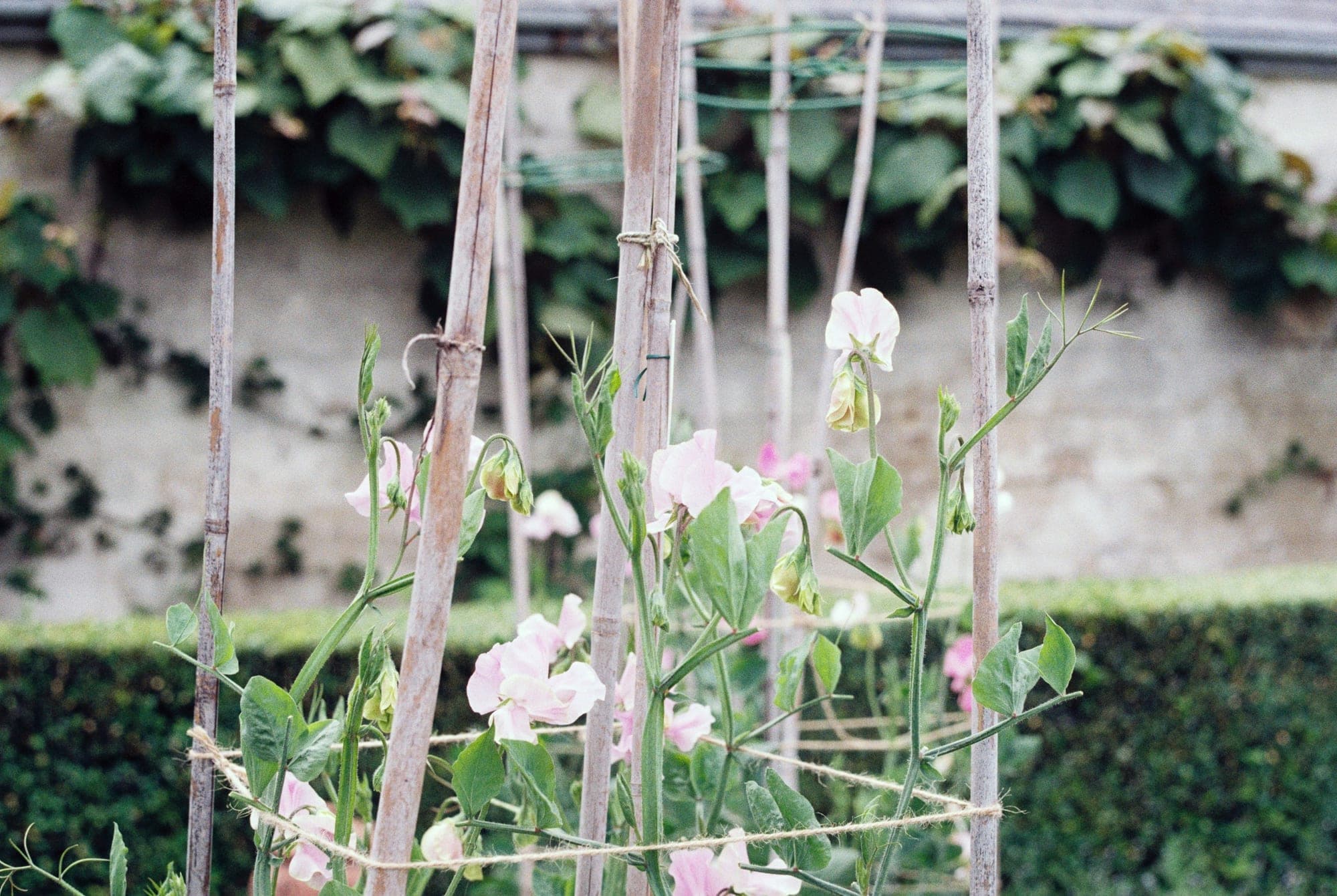
July is the month when the weather, not the calendar, sets the list, and most gardens get the order backwards. At Hampstead in north London the Met Office's 1991 to 2020 averages give July a daytime high of 22.7°C and 50.5 mm of rain, and more sunshine (about 200 hours) than any other month. Averages hide hot spells, though, and a Met Office heatwave is three days in a row at or above a county threshold.
Leaving the lawn to brown is the right call this month, but it quietly becomes an excuse once the rest of the garden gets the same hands-off treatment. New plants and pots cannot coast the way an established lawn can. The jobs below are ranked by what actually suffers first in heat, starting with what needs the watering can.
1. What should you water in July?
New trees, shrubs and perennials and anything in a pot come first. The RHS says newly planted trees and shrubs usually need far more water than people expect, and in dry weather it advises watering containers and new plants only where the soil is dry.
Water at the base, deeply, and early in the morning, when less is lost to evaporation. The RHS notes that evening watering also works but can attract slugs. When water is short, the RHS's advice is to put thirsty plants first and let established flower beds rely on rainfall.
If a hosepipe ban is in force, watering cans and water butts are generally still allowed, but the exceptions differ by supplier. Thames Water's published rules, for example, allow hose use on food crops only where a watering can is not practical, so read your own supplier's notice. Our guide to watering during a hosepipe ban goes through it.
2. Should you water the lawn?
An established lawn should not be watered, even when it turns brown. The RHS says the roots stay alive and the grass regrows once rain returns. In dry weather its drought advice is to mow less and higher, leave clippings on the lawn as mulch, and stop mowing when growth stops.
Lawns sown or turfed this spring are different. The RHS says to water them every few days unless it rains, and gives a simple test: stand an open jam jar on the grass and stop the sprinkler when it holds 13 mm (half an inch) of water. More on this in how to save a lawn in a heatwave.
3. Mulch the borders
The RHS recommends mulching borders thickly, around 5 to 7.5 cm, to hold moisture and suppress weeds. Our guide to mulching flower beds covers which materials to use.
4. Deadhead, cut back and look for trouble
Deadhead border plants regularly to keep them flowering. The RHS suggests cutting back delphiniums and hardy geraniums once the first flush fades and feeding them for a second one, and propping up tall plants such as lupins and delphiniums if they are leaning.
Two problems are worth checking for:
- Clematis wilt: a large-flowered clematis that collapses suddenly. The RHS says to cut out the wilted stems, as new shoots can appear from ground level.
- Scarlet lily beetle: pick it off lilies by hand.
5. Can you cut a hedge in July?
Fast-growing hedges such as Leyland cypress can be clipped in July, according to the RHS. The catch is nesting, and it is the step most people are tempted to skip because the hedge looks like it just needs a tidy-up. The RHS counts March to August as the nesting season, and the RSPB puts it at March to September. Damaging an active nest is an offence under the Wildlife and Countryside Act 1981.
The RSPB suggests watching the hedge for a few days, since birds repeatedly flying in and out is the clue, and using hand tools so you can stop quickly. If you find a nest in use, leave that section. Our guide to when to trim a hedge has the full checks.
June-flowering shrubs such as philadelphus and weigela can be pruned now that they have flowered.
6. Leave water out for wildlife
The RHS suggests a shallow dish of water for hedgehogs, topped up during hot weather, and it lists keeping ponds and water features topped up as a July job.
What can wait until autumn
Scarifying, major lawn repair and overseeding are all better done in autumn, and the RHS places the scarifying of excess thatch in autumn maintenance, not now. After a dry summer its drought advice calls autumn the best time to repair a lawn.
If heat or holidays mean the garden gets away from you, our garden maintenance service covers regular visits, and a free, no-obligation visit comes first. Before this, see what to do in June; next is August.
Sources
- Met Office: Hampstead climate averages, 1991 to 2020
- Met Office: Heatwave
- RHS: July jobs
- RHS: July lawns
- RHS: July flowers
- RHS: July trees and shrubs
- RHS: Lawn care for drought conditions
- RHS: August lawns
- RHS: Reduce water use during a heatwave
- RHS: Gardening through a hosepipe ban, 24 July 2026
- RHS: Pruning hedges
- RHS: Hedgehog-friendly gardening
- RSPB: Birds' nests and nestboxes
- Thames Water: Hosepipe ban FAQs
This reflects our own read of what matters most in London and Hertfordshire gardens this month, not a guaranteed task list for yours. Heat and rainfall vary year to year, so use it as a guide — get in touch if you'd like a hand with any of it.
July garden questions
Can I use bath or washing water on the garden?
Yes, once rainwater has run out. The RHS says lightly used household water, such as from washing or bathing, can go on plants. Using it as the only water source for a long time can build up salt in the soil.
Should I feed the lawn in July?
Only sparingly, and not on a lawn that has stopped growing. The RHS lists a quick-acting summer feed as an option but says to use fertiliser sparingly, and not on wildflower areas. Its drought advice is to avoid fertiliser and weedkiller on stressed turf and wait until spring if need be, so a brown lawn is best left unfed.
What is the best time of day to water?
Early morning, according to the RHS, because less water evaporates before it reaches the roots. Evening is the second choice, but damp soil overnight can attract slugs. Aim the water at the base of the plant and give a thorough soak rather than a light sprinkle.
Related services
More from the blog
All articles →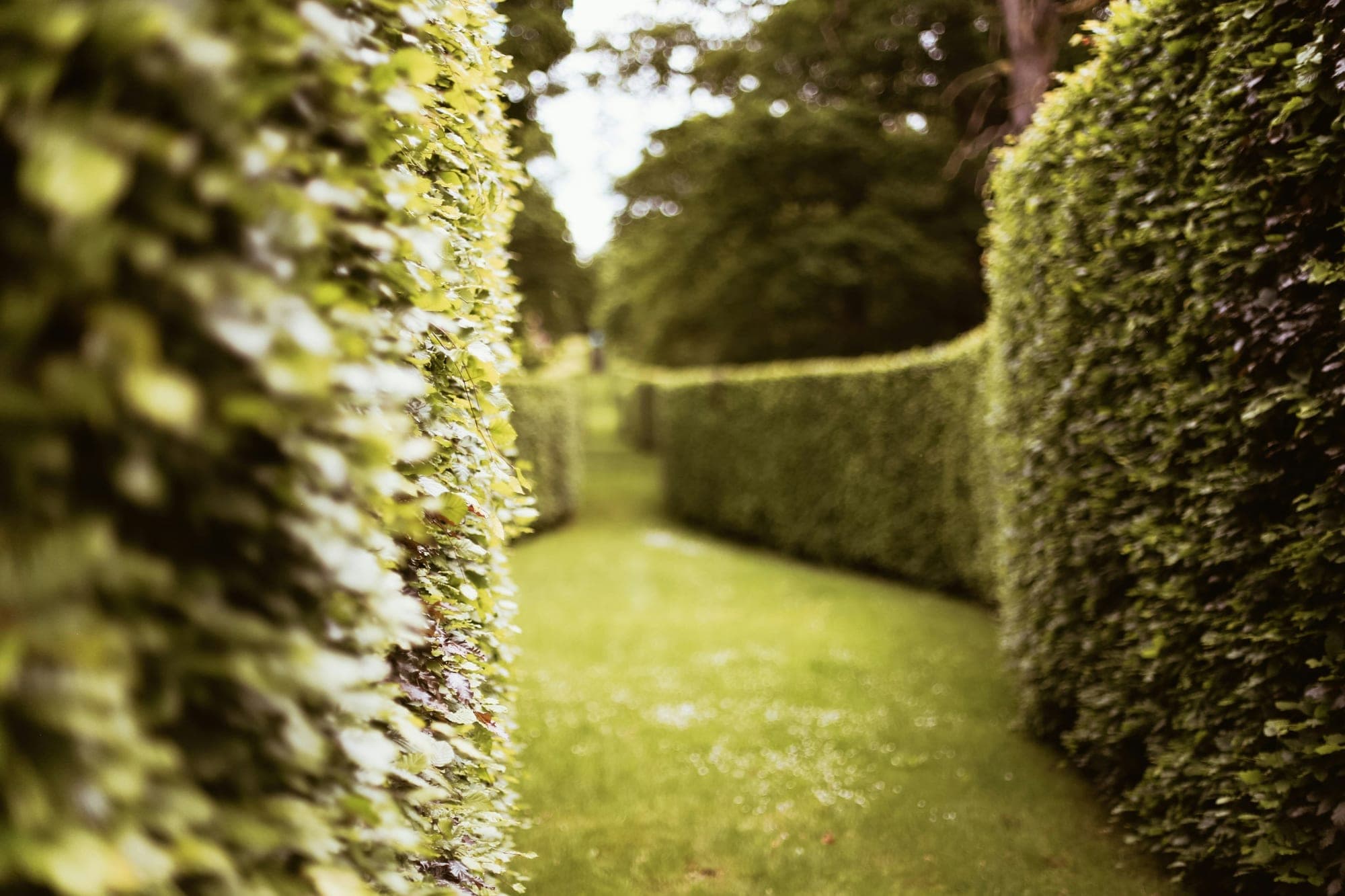
Want a hand with your garden?
Tell us what you have in mind and we'll arrange a free, no-obligation visit and quote.
Free, no-obligation visit · Mon – Fri: 9:00 – 18:30