
Seasonal care
December's Garden Job List Is Short on Purpose. Here's What Actually Can't Wait.
December is the quietest month in the garden, with only a few jobs that have a deadline. Prune grapevines and acers before Christmas, check frost protection, and stay off frozen grass.
By the Aspen Rose team5 min read
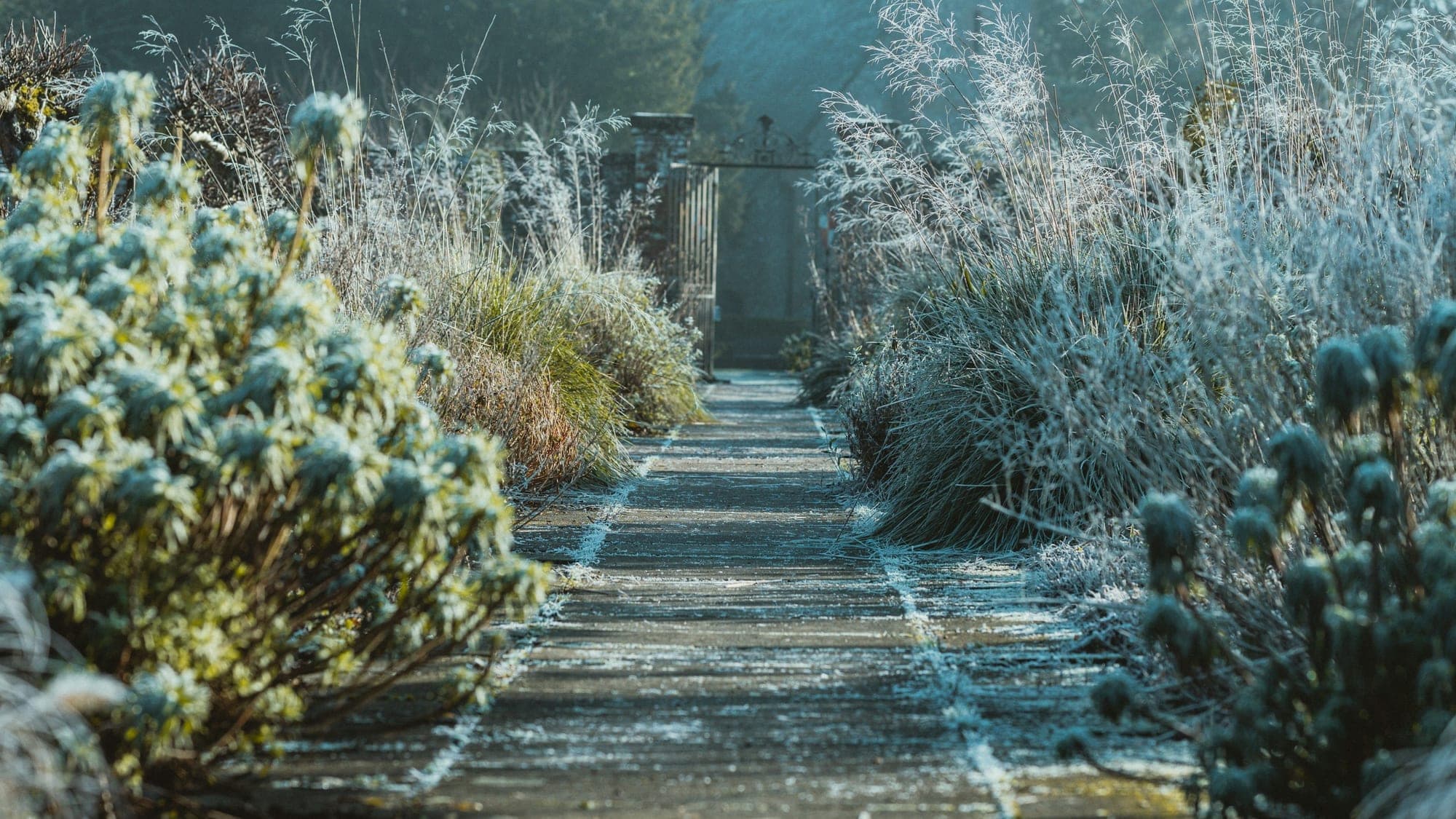
December is the lowest point of the garden year, and the short job list is not a sign of a quiet month so much as a sign that most jobs genuinely do not belong here. At Hampstead in north London the Met Office's 1991 to 2020 averages give 54 hours of sunshine, the least of any month, daytime highs of 7.8°C, nights of 2.7°C and 7.7 days of air frost. Rain is 68 mm, on about 12 days. Plants are dormant and the ground is often wet or frozen, so the useful work is limited, but a handful of jobs below have a real deadline, and the rest can wait with a clear conscience.
Which December jobs have a deadline?
Pruning plants that bleed sap. The RHS says to prune acers, birches and vines before Christmas to avoid bleeding, though its detailed guidance on bleeding is more specific by plant.
| Plant | RHS advice | December? |
|---|---|---|
| Grapevine | After leaf fall but before Christmas | Yes, this month |
| Japanese maple | After leaf fall but before January | Yes, this month |
| Birch | Avoid pruning if you can; if you must, late summer to mid-winter | Only if necessary |
| Apple and pear | Open-grown trees can be pruned now; wall-trained ones should not | Yes, but not wall-trained |
| Hydrangea | Wait until March; old flowerheads protect the shoots | No |
| Evergreens, tender plants, ornamental cherry, plum, almond | Wait until spring; Prunus can get silver leaf | No |
Bleeding is mostly cosmetic and the cut heals on its own, according to the RHS, so it is not a reason to panic if you are late. The RHS says not to bind, wrap or paint the cuts. Large trees are difficult to prune safely, so consider a tree surgeon and take care not to tear bark.
What should you check after storms and frosts?
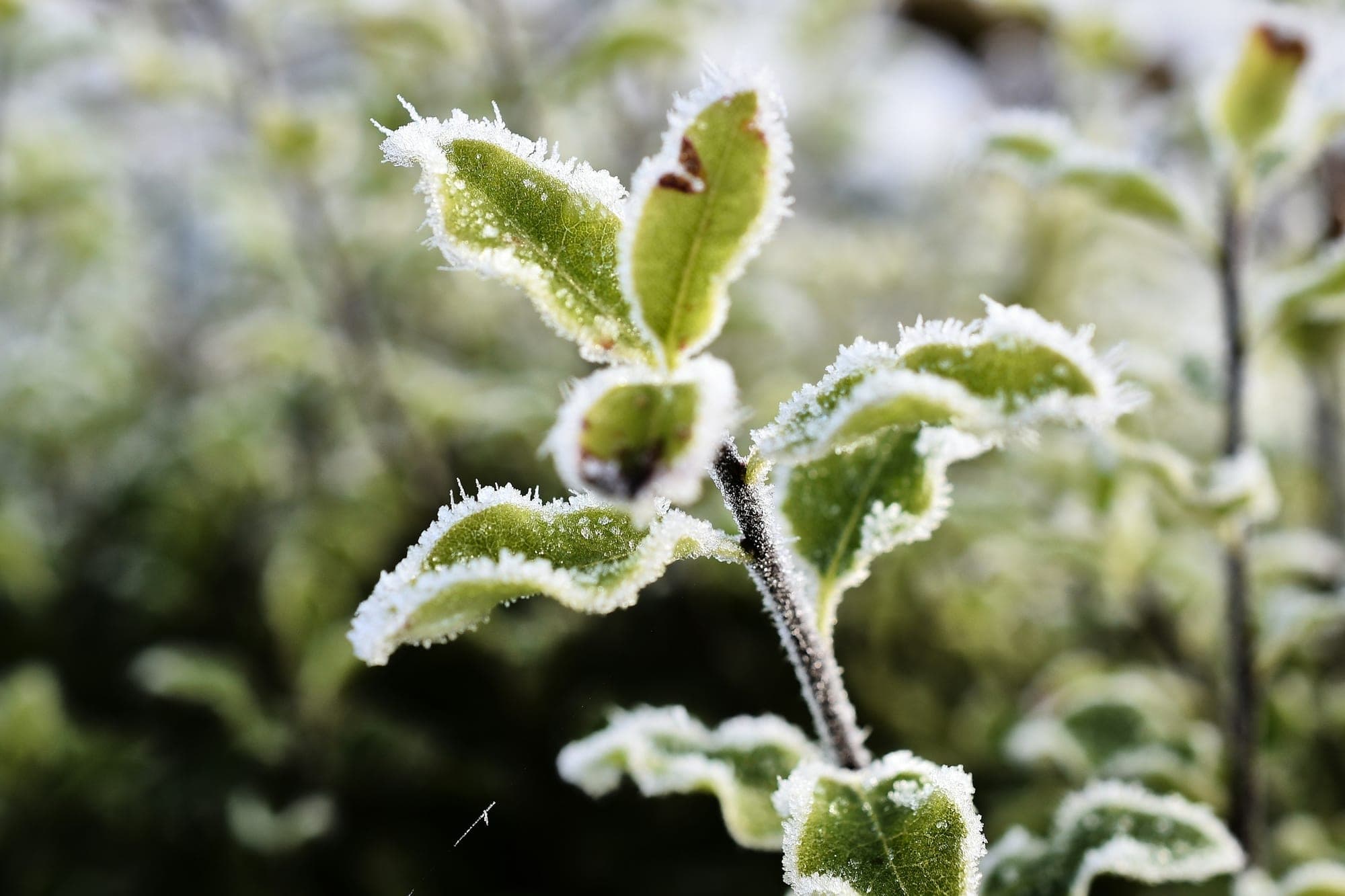
Check that winter protection is still firmly in place, especially after storms, say the RHS. Large tubs that might crack in frost can be wrapped in bubble wrap, hessian or fleece. Keep containers on feet or bricks so they do not stand in water. Mulch borderline-hardy plants, and the RHS adds that winter tends to get harder after December, even in mild areas.
Insulate outdoor taps. For ponds, the RHS says not to hit pond ice, because the impact can harm animals underwater. Melt a small hole with a pan of hot water instead.
Brush snow off conifers, climbers and light-limbed shrubs and trees. The RHS says heavy snow can splay branches, break limbs and spoil the shape of a plant.
New plantings need a look too. Cold wind and frost can loosen roots, so re-firm any that have lifted and add a thick dry mulch such as straw or composted bark.
How should you treat the lawn in December?
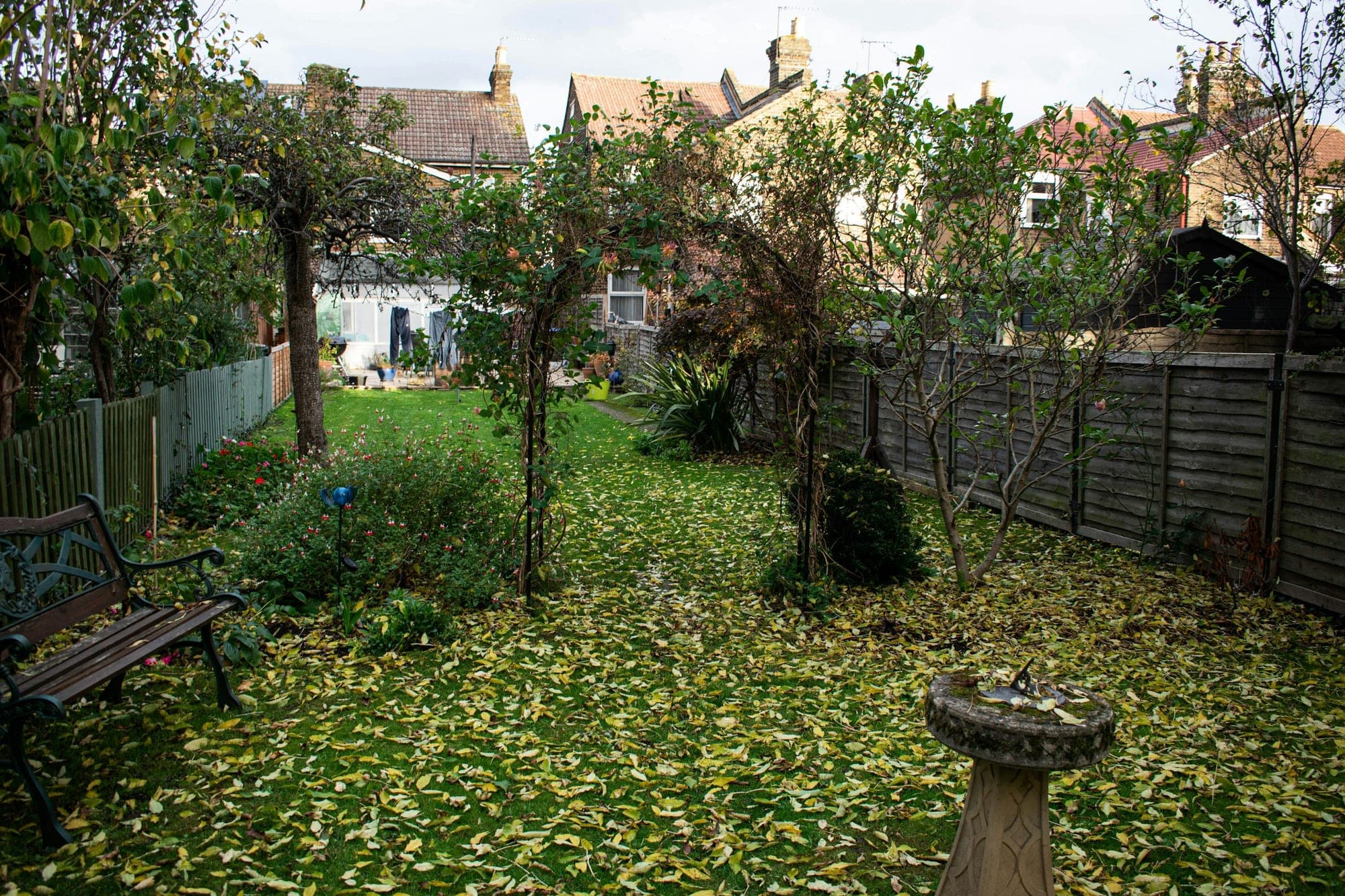
Stay off it when it is frosty. The RHS says walking on frosty grass damages the blades and can leave brown footprints for weeks. Mow only in mild weather above 7°C, with the blades about 5 mm higher than in summer.
Rake up fallen leaves so they do not smother the grass and add them to a leafmould or compost pile. Leaves in beds and borders can stay. After winter rain, spike a waterlogged lawn and brush in a mix of sharp sand and loam once the surface is fairly dry. See how to fix a waterlogged garden. Repair bare patches with turf from elsewhere in the garden, or wait until spring to sow seed.
Can you still plant in December?
Yes, when the ground is neither frozen nor waterlogged. The RHS says bare-root deciduous hedging and trees can still go in, and established deciduous trees and shrubs can be moved. Plants more than a couple of years old may be too big to lift with enough roots, so replacing them can be the better option.
What can you do for wildlife?
Birds are the main concern. The RHS says to feed birds regularly through winter with high-fat foods, to move feeding stations around so spilt food does not attract rats, and to put out only what will be eaten within a couple of days. A shallow dish of water at ground level helps birds and other wildlife.
The RHS also says to keep healthy herbaceous and hollow-stemmed plants uncut until early spring, as insects overwinter in them, and to turn compost heaps carefully, since frogs, toads and other animals may be sheltering inside.
What can you plan in December?
The RHS suggests ordering bulky organic matter, such as well-rotted manure or mushroom compost, for mulching in spring, and taking hardwood cuttings. If you would rather not do the outdoor work in the cold, our garden maintenance service covers it, and a free visit with a written quote comes first.
Previous month: November. Next: January.
Sources
- Met Office: Hampstead climate averages, 1991 to 2020
- RHS: December jobs
- RHS: December lawns
- RHS: December flowers
- RHS: December trees and shrubs
- RHS: Bleeding from pruning cuts
- RHS: Helping wildlife through winter
- RHS: Reduce water use during a heatwave
This reflects our own read of what matters most in London and Hertfordshire gardens this month, not a guaranteed task list for yours. Frost and rainfall vary year to year, so use it as a guide — get in touch if you'd like a hand with any of it.
December garden questions
Should I cut back perennials in December?
You can, but you do not have to. The RHS says to cut faded herbaceous perennials down and compost them, or leave them until spring so they can shelter insects. It also says to clear fallen leaves and debris from beds, especially around alpines, which can die if left damp.
Is it worth mulching in winter?
Yes. The RHS says a layer at least 5 cm thick, applied between late autumn and late winter, conserves soil moisture, so it prepares the garden for next summer's heat as much as it protects roots. It also suggests mulching borderline-hardy plants and containers now.
What can I still harvest in December?
The RHS lists leeks, parsnips, winter cabbage, sprouts and any remaining root crops. It also suggests keeping mice away from stored produce and cutting back on houseplant watering.
Related services
- Garden MaintenanceRegular garden maintenance across London and Hertfordshire — mowing, pruning, weeding and seasonal care from an experienced team. Get a free quote.
- Tree SurgeryQualified tree surgery across London and Hertfordshire — reductions, crown work and removals from Aspen Rose’s tree care specialists. Get a free quote.
More from the blog
All articles →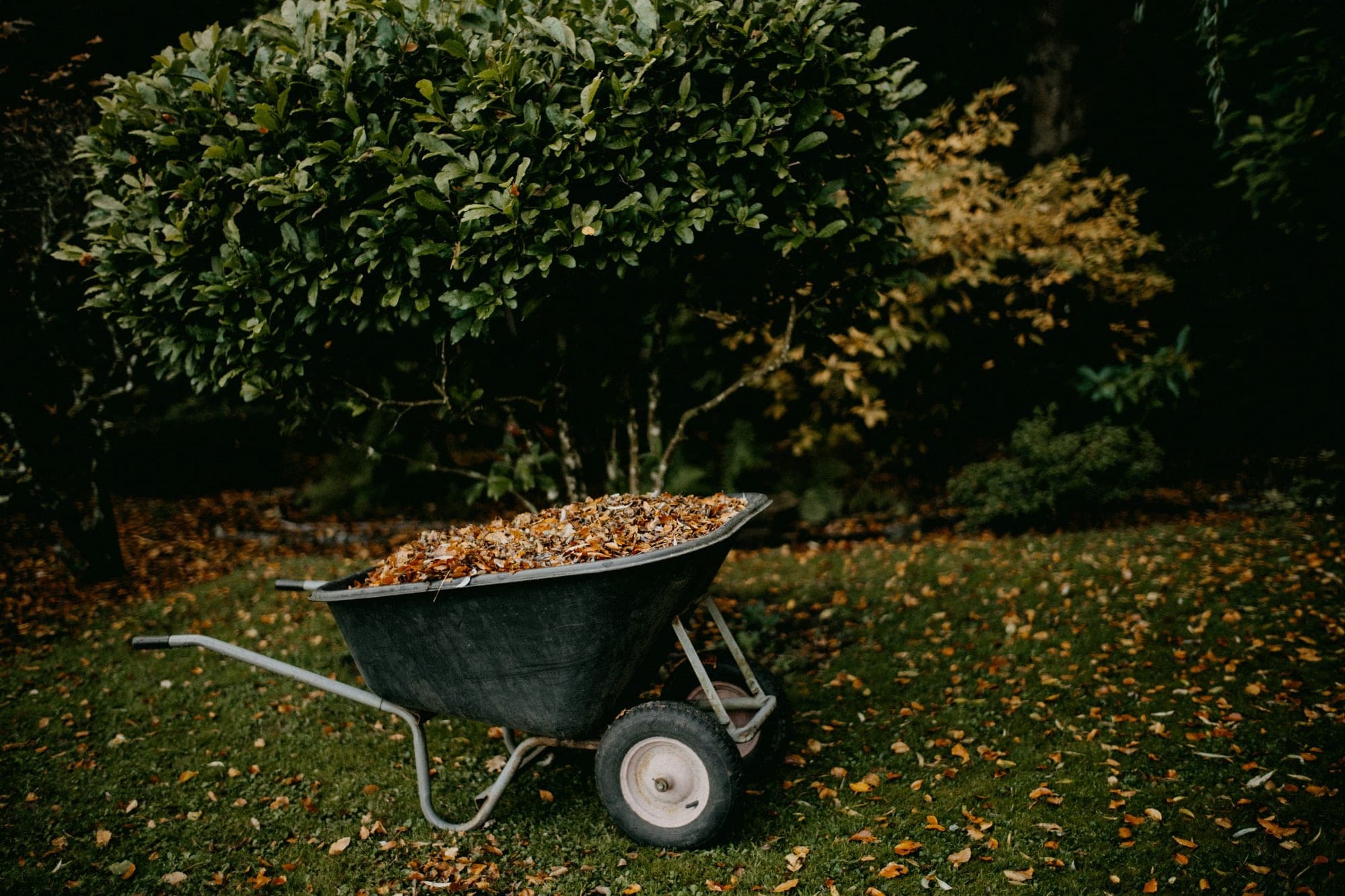
Want a hand with your garden?
Tell us what you have in mind and we'll arrange a free, no-obligation visit and quote.
Free, no-obligation visit · Mon – Fri: 9:00 – 18:30