
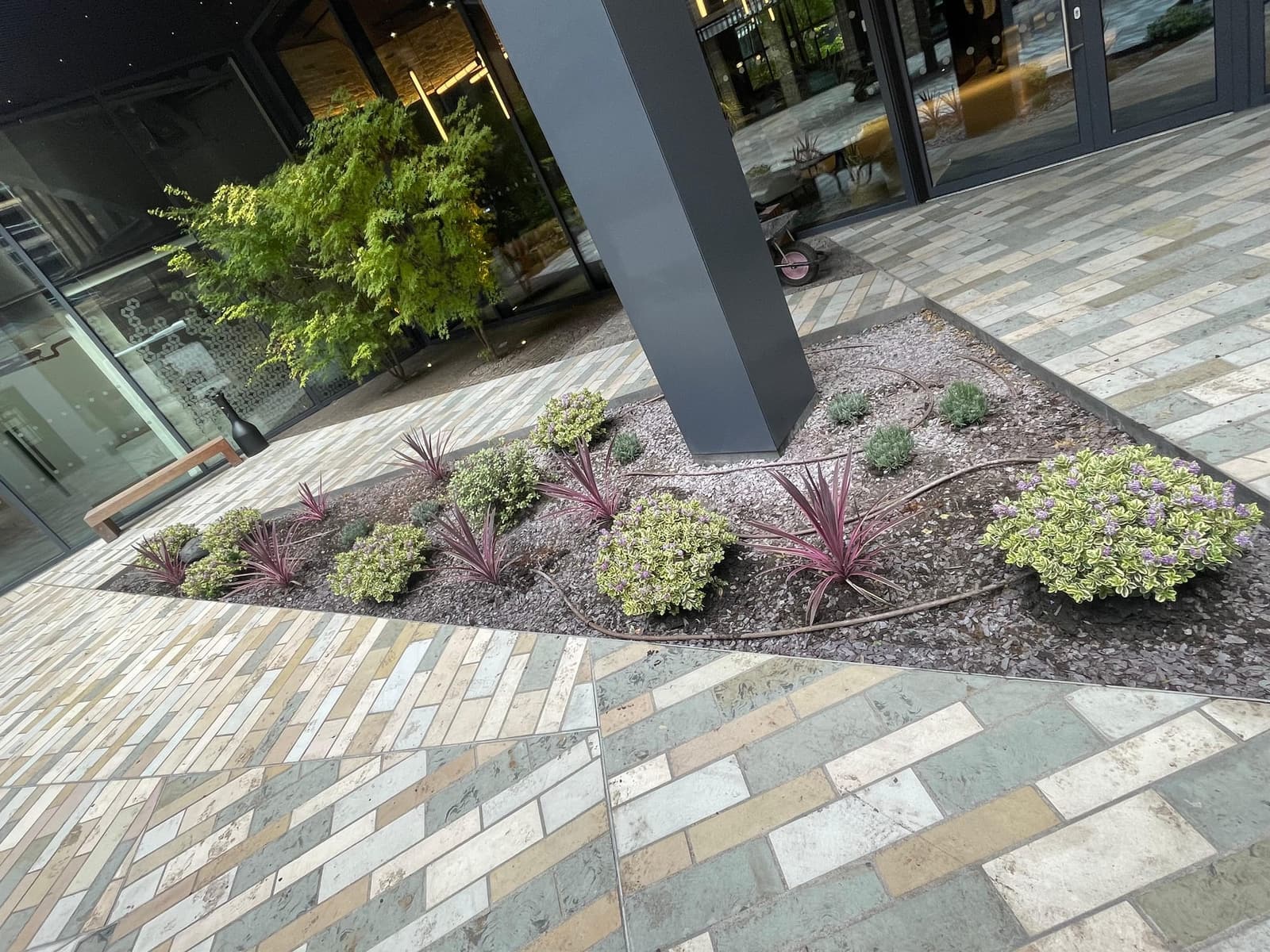
Flowerbed mulching, done properly.
A fresh layer of mulch suppresses weeds, holds in moisture and gives borders a neat, finished look — all year round.
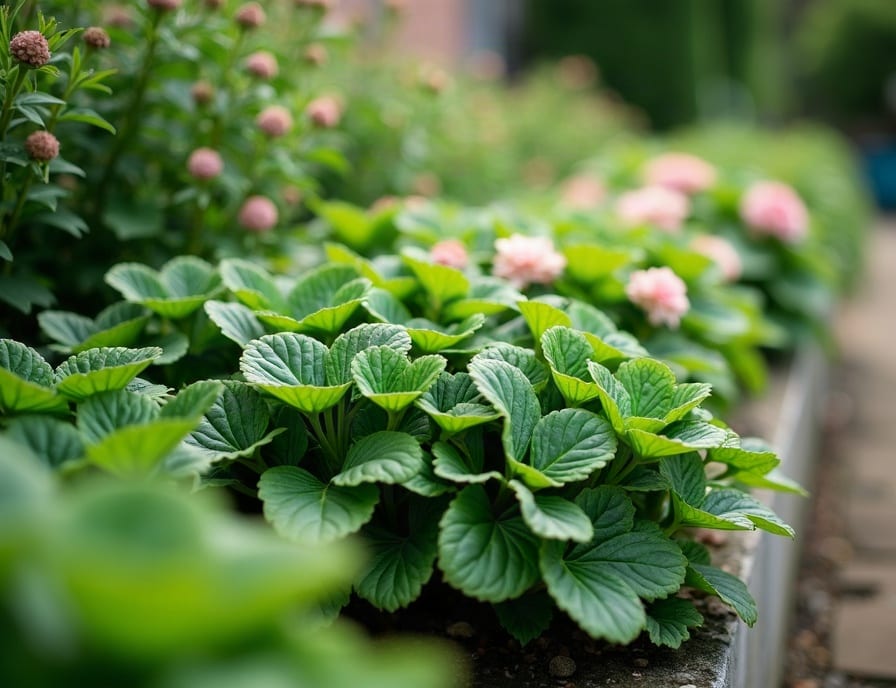
Keep borders weed-free and looking their best
A thick, even layer of mulch does more than tidy up a border — it locks in moisture, smothers weed seedlings before they take hold, and insulates roots against extremes of heat and cold.
We top up or lay fresh mulch across your flowerbeds, matching the right material to your soil and planting, so borders stay healthier and need far less work between visits.
- Bark, compost or ornamental mulch — whatever suits your borders
- Weed suppression without chemicals
- Moisture retention through dry spells
- A neat, finished look all year
What's included
Everything you'd expect, and a little more
Weed suppression
A thick mulch layer blocks light to weed seedlings before they can establish.
Moisture retention
Mulch slows evaporation, so borders need less watering through dry spells.
Soil health
As organic mulch breaks down, it feeds the soil and improves its structure.
A finished look
An even, fresh layer ties borders together and finishes off any planting scheme.
Autumn tips
Mulching Tips Through the Year
When and how you mulch makes a real difference — a general guide to what's worth doing at different points in the year.
Autumn is a prime time to mulch borders
As plants die back, autumn is one of the best times to add a fresh layer — it protects the soil and gets borders ready for winter.
Add mulch after an autumn tidy and leaf clearance
Clearing fallen leaves and cutting back before mulching means the new layer sits properly on bare soil rather than trapped debris.
Use a thicker layer for winter protection
A slightly deeper mulch layer in autumn helps insulate plant roots against the coldest months ahead.
Mulch newly planted bulbs and perennials
A layer of mulch over autumn planting protects it through winter and gives it the best start in spring.
Good to know
Mulching of Flowerbeds — your questions
What type of mulch do you use?
It depends on the border — usually a composted bark mulch for ornamental beds, though we can also use leaf mould, compost or gravel mulch where it suits the planting better.
How often does mulch need topping up?
Most organic mulches need topping up once a year, typically in spring or autumn, as they naturally break down and feed the soil underneath.
Will mulch really stop weeds?
A mulch layer of around 5-7cm blocks the light weed seedlings need to germinate, which cuts weeding significantly — though it won't stop established perennial weeds coming back on its own.
Do you supply the mulch, or can I provide my own?
We can supply and deliver whatever mulch suits your borders, or work with mulch you've already got — whichever's easiest for you.
Can mulching be added to a regular maintenance visit?
Yes — it's often most efficient to mulch straight after a border's been weeded and tidied, so we usually build it into a maintenance visit rather than a separate call-out.
Other services you might need

Free, no-obligation quotes
Let’s give your garden the care it deserves.
Book a free, no-obligation visit and we’ll talk through exactly what your garden needs — no pressure, no jargon.