
Garden clearance
Burning Garden Waste Is Legal Almost Everywhere Here, Which Is Exactly Why It Goes Wrong
Householders are not banned from burning garden waste, but smoke that becomes a nuisance, or burning the wrong materials, can bring action from the council. Here is where the line sits and what to do instead.
By the Aspen Rose team6 min read
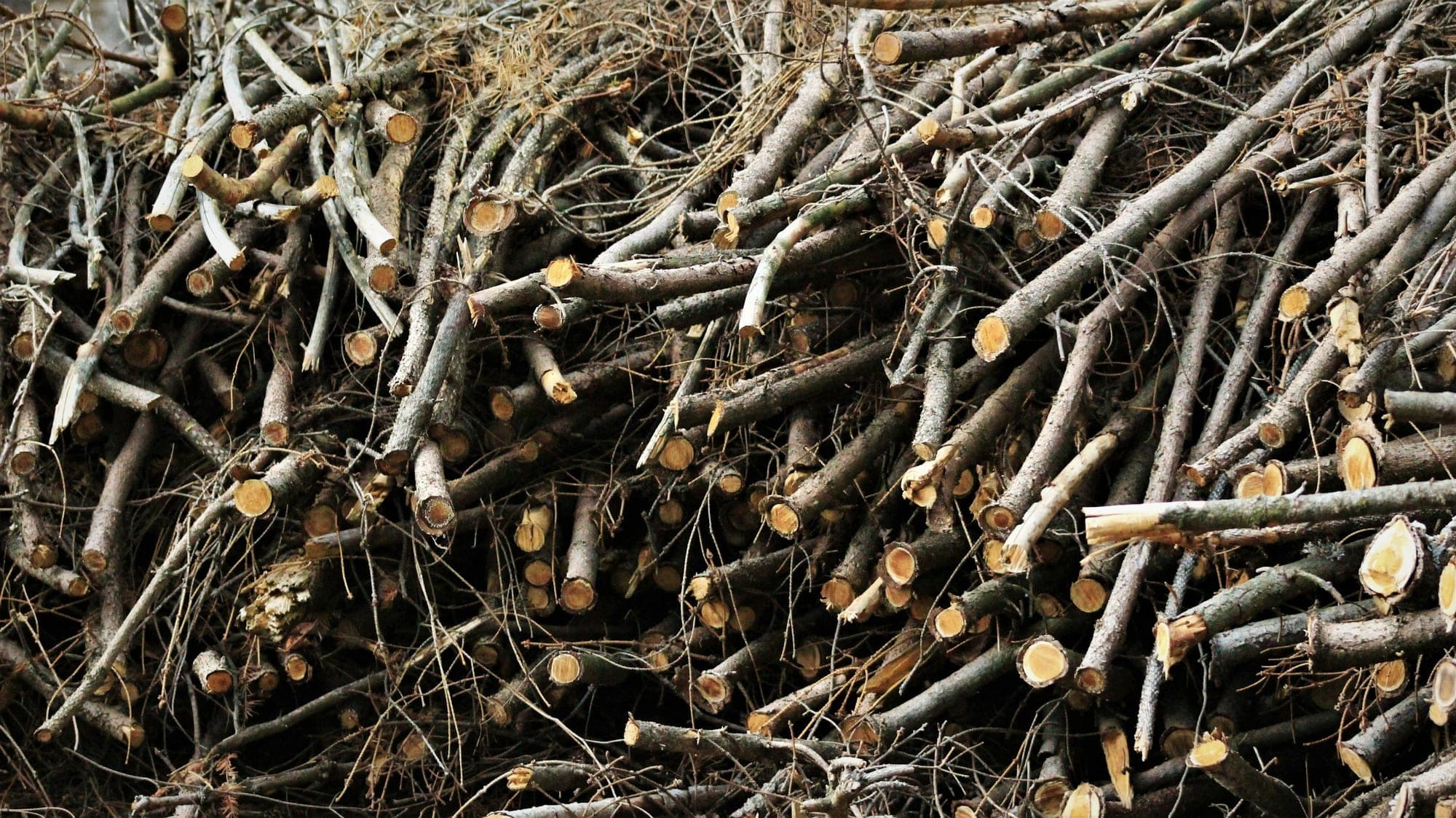
The legal test has nothing to do with dates or postcodes. It only asks what you burned and what the smoke did to someone else, which is why otherwise careful gardeners still end up with a council letter.
Is it illegal to burn garden waste?
No, and the gap between what people assume and what the law actually says is where most of the trouble starts. GOV.UK says the laws cover burning certain types of waste and stop bonfires causing a nuisance, and Waverley Borough Council puts it more plainly: no law bans garden bonfires.
That freedom comes with three limits worth knowing before you strike a match:
- Pollution and health. GOV.UK says you may not dispose of household waste if it causes pollution or harms health, and that includes burning it.
- Roads. You could be fined if smoke from a fire drifts across a road and endangers traffic.
- Nuisance. Councils must investigate complaints about smoke or fumes that could be a statutory nuisance.
When does a bonfire count as a nuisance?
A bonfire becomes a statutory nuisance the moment the council decides your neighbours are suffering for it, and that judgement call is theirs, not yours. GOV.UK says the council can then serve an abatement notice on the person responsible, and a neighbour who ignores one can be fined.
Frequency is what actually counts, more than the fire itself. Waverley says a quick fire with little smoke is unlikely to be a problem, while repeated smoky fires can be, and the council cannot act on occasional fires. Kingston upon Thames says it can take formal action when garden waste burning happens regularly, and notes that bonfires draw more complaints than any other form of air pollution, which tells you how quickly goodwill runs out on a street. The councils quote different maximum fines (Kingston says up to £5,000, Waverley says unlimited), so ask your own council if the number matters to you.
Kingston goes further and discourages burning altogether, on the sensible basis that low-level smoke harms air quality and health in built-up areas like ours.
Do smoke control areas ban garden bonfires?
No, and this is the most common mix-up we hear. A smoke control area restricts smoke from chimneys and the fuel you burn in a stove or open fire, not a pile of prunings in the back garden. GOV.UK says garden bonfires are allowed there, but the separate bonfire rules still apply regardless. Kingston, whose whole borough is a smoke control area, confirms the Clean Air Act 1993 does not cover bonfires at all.
The dark smoke offence in section 2 of the Clean Air Act is a separate and stricter matter, worth knowing if you ever hire help. It applies to industrial or trade premises, and to burning in connection with an industrial or trade process. Waverley says businesses commit an offence by burning waste that produces dark smoke, whether on their own premises or elsewhere, and GOV.UK defines business waste as waste from any commercial activity. In practice, anyone clearing your garden for money has no business lighting a fire on your plot; the waste should leave with them.
What should you never burn?
Never burn plastics, rubber, or painted or treated wood, full stop. Waverley says they give off toxic fumes, and burning household waste in a way that risks pollution or harm to health is an offence in its own right. Keep any fire to plant material from the garden, nothing else.
If you do light a fire
Waverley suggests keeping a fire small and avoiding smoke that affects neighbours. It also warns that garden fires can get out of control and put pressure on emergency services, a cost the whole street bears, not just you.
Hedgehogs are the other risk, and an easy one to overlook until it is too late. The British Hedgehog Preservation Society says to use a proper incinerator or move the pile just before lighting it, because animals may have nested in it. Light the checked material from one side only, so anything missed has an escape route, and build the fire on the day you light it rather than days before.
What can you do instead?
Most garden waste has a genuinely better route than a match, and most of them leave you with something useful rather than ash:
- Compost or leaf mould, which the RHS says can take as little as six months and about two years respectively.
- Shredding or chipping woody prunings for mulch or paths.
- A dead hedge or log pile. The RHS suggests long bramble stems as a dead hedge, and logs for log piles.
- A council garden waste collection or a recycling centre.
What can you do with garden waste compares the options properly. For a bigger clear-out, the green waste from our jobs is taken away and disposed of properly at recycling centres: see our garden clearance service.
What if a neighbour's bonfire is the problem?
Speak to them first, as Waverley and Kingston both suggest. Most people lighting a bonfire genuinely have not clocked that the smoke is reaching you, and a quiet word solves more of these than any council form does. If it carries on regardless, keep a diary of dates and times, since the council needs a pattern to act on, and report it. Kingston does not accept anonymous complaints, though it protects complainants' identities within data protection rules.
Sources
- GOV.UK: Garden bonfires, the rules
- GOV.UK: Smoke control area rules
- Clean Air Act 1993, section 2: Dark smoke from industrial or trade premises
- Waverley Borough Council: Domestic bonfires
- Royal Borough of Kingston upon Thames: Air quality complaints
- British Hedgehog Preservation Society: Gardening with hedgehogs
- RHS: How to deal with garden waste
- RHS: Brambles
- GOV.UK: Prevent Japanese knotweed from spreading
This article sets out Aspen Rose's own reading of the bonfire and nuisance rules above, not legal advice. Councils judge "nuisance" case by case, and your own circumstances may differ, so check with your local council before lighting anything you are unsure about.
Garden bonfire questions
Is there a time of day or year when garden bonfires are not allowed?
Waverley Borough Council says no law sets times when a garden bonfire can be lit. The test is the effect: smoke that drifts onto neighbours or across a road can bring action at any time.
Can I burn diseased plant material?
Waverley says that if you must burn something such as diseased plant material, keep the fire small and avoid smoke that affects neighbours. For trees with honey fungus or phytophthora root rot, the RHS advises against reusing wood from the base of an infected tree and points to its guide on disposing of diseased material.
Can I burn Japanese knotweed?
Not casually. In England, GOV.UK says individuals need to check with their council that burning is allowed, while businesses need notice, an exemption and more. It also says crowns and rhizomes can survive burning, so they still have to be buried or taken off site. Read what to do if you find Japanese knotweed first.
Related services
More from the blog
All articles →
Want a hand with your garden?
Tell us what you have in mind and we'll arrange a free, no-obligation visit and quote.
Free, no-obligation visit · Mon – Fri: 9:00 – 18:30