
Garden clearance
An Overgrown Garden Isn't a Weekend Job, and Treating It Like One Is Why Clearances Go Wrong
Check for nests, wildlife, invasive plants and protected trees first, then cut in stages, dig out the roots, deal with the waste properly and mulch the bare soil. Here is the order, and the reasons behind it.
By the Aspen Rose team6 min read
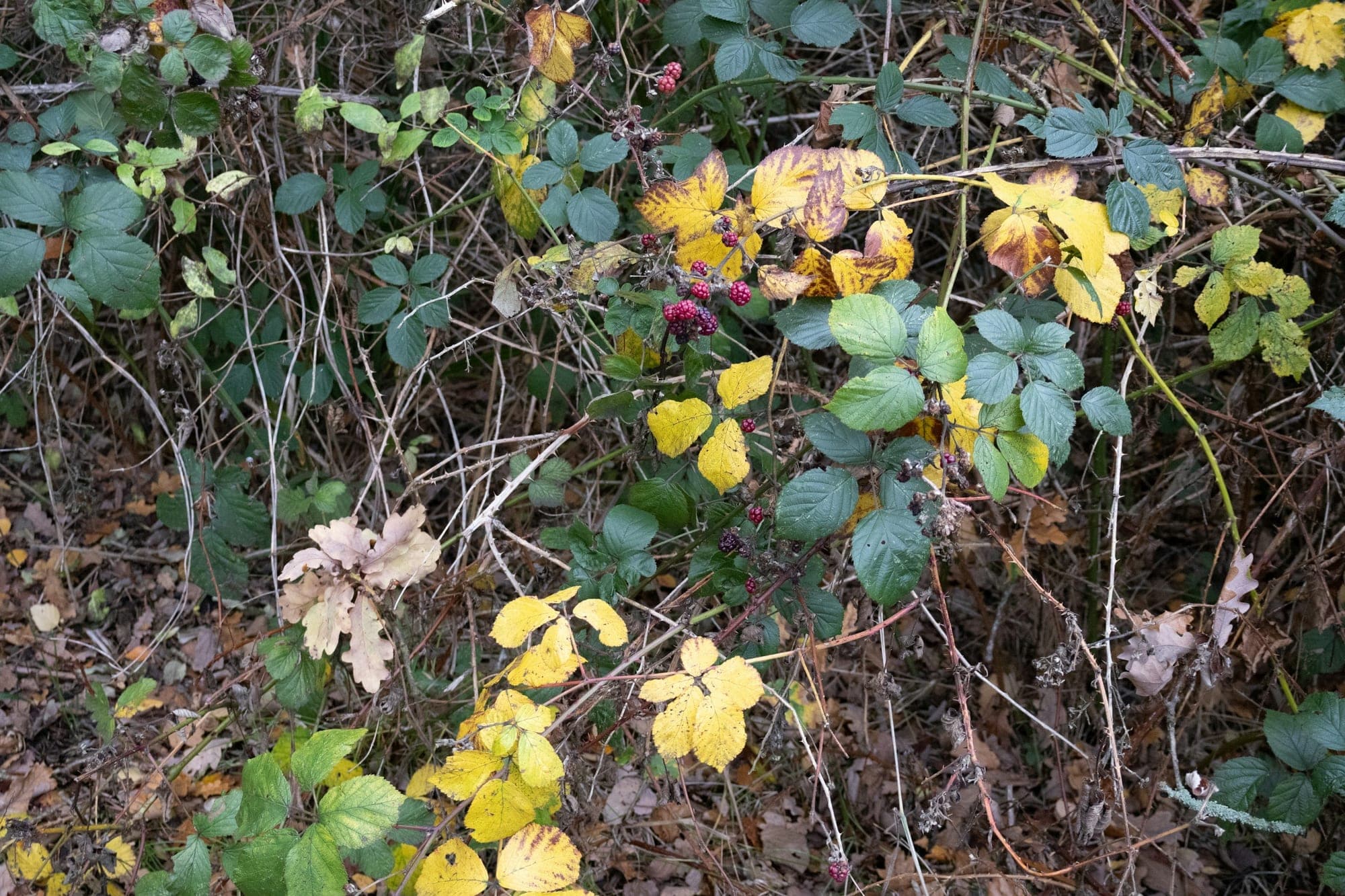
Treating an overgrown garden as a weekend job is the mistake that costs most. Cutting everything to the ground in one go destroys whatever is living in the tangle, hides what is actually growing in it, and leaves you with a pile of waste you have no way to move.
What should you check before you cut anything?
Skip this step and a weekend clearance can turn into a legal problem or an injured hedgehog. Check for four things, because each one changes how you work.
Nesting birds. The RSPB says the main nesting season runs from March to September and recommends cutting hedges and similar growth only between 1 September and 28 February. The RHS gives March to August for the breeding season. Cutting is not banned in between, but damaging a nest in use or being built is an offence. The RSPB says to watch the area for a few days, since regular comings and goings suggest a nest, and to use hand tools where you can, because they are easier to stop.
Hedgehogs and other wildlife. The British Hedgehog Preservation Society says strimmers can seriously injure hedgehogs hidden in long grass. Cut to about a foot first, then check before cutting lower. It also warns that compost heaps are common nest sites and suggests October or November as the safest time to turn one, once the young have left and before adults hibernate.
Invasive plants. Look for Japanese knotweed and giant hogweed before any cutting. The RHS says giant hogweed's sap can cause severe burns and scarring, can still be harmful after the plant is cut or dug up, and that hiring a specialist is the safest option.
Protected trees. GOV.UK says a tree preservation order bans cutting down, topping or lopping without the council's written consent, and that trees in a conservation area generally need six weeks' written notice before work. Check with your local council first.
Should you wait a year before changing anything?
Clear what is choking the garden now, but leave the redesign. The RHS recommends observing an inherited garden for a year before major changes, because plants that have died back can reappear, bare soil can turn into a bulb display and some weeds, ground elder among them, only show later in the year. It says to tackle weeds promptly, and to prune overgrown plants by species: camellias tolerate hard cutting back, while lavender may die.
If a plant looks dead and you cannot name it, leave it until it has had a full season.
What order should you work in?
Work from the top down and from the outside in, checking as you go; skip a step and brambles are often back within a season. A sensible sequence:
- Mark what you want to keep. The RHS suggests lifting and potting up wanted plants from a bed that weeds are choking, then treating the whole area at once.
- Take the first cut high. Long grass and soft growth go to about a foot, then you check for wildlife before cutting lower.
- Cut woody growth back. For brambles, the RHS says to shorten the stems to about 30cm with loppers, a hedge trimmer or a brush cutter, wearing thick gloves. A dense tangle may need cutting in several places and pulling out in sections.
- Clear the cut material so you can see the ground, then deal with it as below.
- Dig out the roots. Use a sharp spade and a border fork to remove the main stump of each bramble and as many roots as you can.
- Prune what stays. The RHS says large conifers and shrubs can be crown lifted by removing lower branches, which opens up space underneath and improves light and air.
- Watch for regrowth through the growing season and dig out new shoots as they appear.
What do you do with the waste?
Plan this before you start, because a cleared garden produces far more waste than it seems to while it is standing. The RHS says bramble roots, seedlings and stem lengths should not go in a home compost bin, which may not get hot enough to kill them. They can go in your council's green waste or to a recycling centre. Shredding stems for path mulch or laying long lengths as a dead hedge for wildlife are alternatives.
For a large amount in a short time, the RHS lists skip hire or a waste clearance firm. What can you do with garden waste sets out the costs and the checks you owe anyone who takes it away. A bonfire is rarely the best answer, and the rules are not as simple as people assume.
When is it worth getting a professional in?
Bring someone in when the job is bigger than a weekend or two can safely cover, and always for the plants above; those checks are not optional, whatever the rest of the schedule allows. That means invasive plants, trees that may be protected, a large volume of waste, or ground you cannot work on safely.
Our garden clearance service starts with a free, no-obligation visit, followed by a written quote. The green waste from our jobs is taken away and disposed of properly at recycling centres. We serve London and Hertfordshire from Enfield, and you can ask for a visit.
What happens once the ground is clear?
Cover bare soil quickly, because it is the bed for the next crop of weeds. In beds and borders the RHS suggests a layer of organic matter about 7.5cm deep in late winter or early spring, which makes bramble seedlings easier to pull, and says to remove seedlings promptly in spring before they establish. If you are not ready to plant, the RHS says you can grow plants in pots, sow hardy annuals and grow vegetables in spare space while you decide.
After that, regular upkeep stops the garden going back to where it started. Our garden maintenance service covers the routine cutting back.
Sources
- RHS: Brambles
- RHS: How to deal with a mature garden
- RHS: Giant hogweed
- RHS: How to deal with garden waste
- RSPB: Birds' nests and nestboxes
- British Hedgehog Preservation Society: Gardening with hedgehogs
- GOV.UK: Tree preservation orders and trees in conservation areas
This article sets out Aspen Rose's own reading of the RHS, RSPB and other guidance above, useful background on tackling an overgrown garden safely, not professional advice for your particular plot. Every garden is different, so if in doubt, get a free, no-obligation quote and we'll take a proper look.
Overgrown garden questions
Can I use weedkiller on brambles?
The RHS does not support weedkillers for brambles and recommends non-chemical methods, which it says can be effective but slow. If you choose a regulated product, a garden centre can advise on what suits your situation. Cutting back, digging out the roots and mulching is the approach the RHS describes.
Is it worth keeping some brambles?
Possibly. The RHS says brambles support insects such as moths, bees and butterflies and give shelter and nest sites to birds and small mammals. You can keep them in a wildlife area, as long as you control their spread so they do not grow into cultivated beds.
Can I cut back my neighbour's brambles?
Only as far as your own boundary. The RHS says damaging brambles outside your garden is illegal. It suggests regularly shortening long stems that reach over and digging up any that have rooted on your side.
Related services
- Garden ClearanceGarden clearance across London and Hertfordshire — overgrown beds, leaf buildup and site clearance handled quickly and tidily by Aspen Rose. Get a free quote.
- Garden MaintenanceRegular garden maintenance across London and Hertfordshire — mowing, pruning, weeding and seasonal care from an experienced team. Get a free quote.
More from the blog
All articles →
Want a hand with your garden?
Tell us what you have in mind and we'll arrange a free, no-obligation visit and quote.
Free, no-obligation visit · Mon – Fri: 9:00 – 18:30