
Garden problems
Lawn Weeds Aren't a Spraying Problem First. They're a Thin-Lawn Problem.
Most lawn weeds can be dealt with by hand, by cutting the lawn higher, and by thickening the grass. Here is what works for each common weed, and what the RHS says about weedkillers.
By the Aspen Rose team6 min read
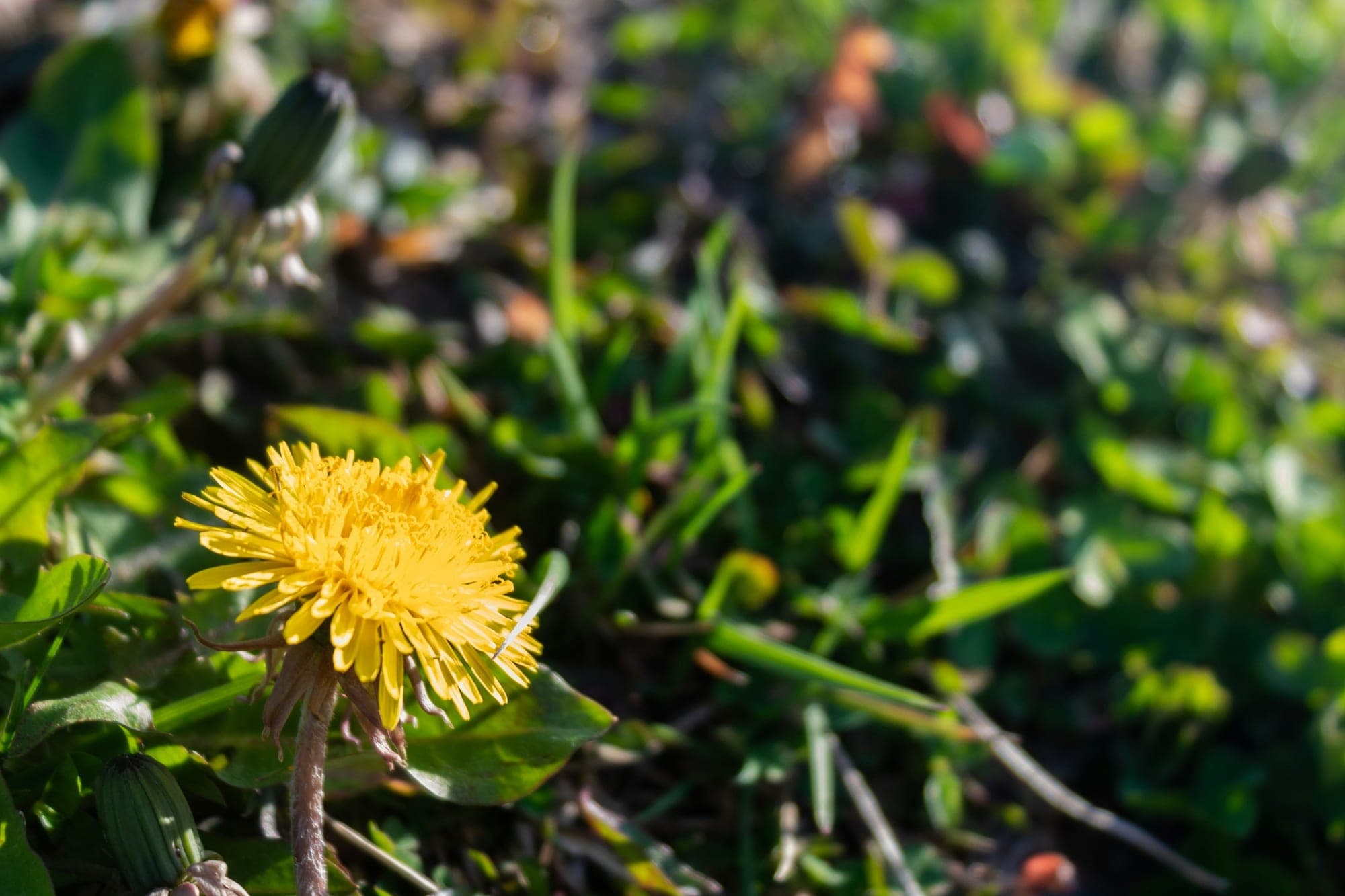
Weeds in a lawn are a symptom of what the grass is missing, usually height, density, or the right soil, and reaching straight for a spray skips past the actual problem. Pull them out without fixing that and the job comes back every spring, on schedule.
This guide sets out what to do for each common type, in the order the RHS suggests, and why weedkillers belong at the back of the queue rather than the front.
Which method suits which weed?
Different weeds need different handling. The RHS describes these approaches.
| Weed | What the RHS suggests |
|---|---|
| Dandelion | Dig out as much of the deep taproot as possible, ideally while the plant is young, using a dandelion weeder; deadhead before seed forms |
| Daisy, plantain and other single weeds | Remove individually with a hand fork or weeding tool |
| Creeping buttercup, speedwell | Rake the creeping stems upright before mowing so the mower cuts them |
| White clover | Pull or fork out and reseed; if it has spread, cut out the patch and re-lay turf |
| Sheep's sorrel, field wood-rush | Both favour acid soil; lime raises the pH if they become too numerous |
Dandelion roots can regrow from fragments, which is why the RHS says to take out as much taproot as you can. Throw the leaves on the compost heap, but not the roots, which need high temperatures to break down.
Why does mowing height matter for weeds?
Grass that is cut too short gives weeds room. The RHS says mowing very close weakens the grass, encourages shallow roots, and leaves the lawn more open to weeds, moss and drought.
For an ordinary lawn it gives 13 to 25mm in summer and up to 40mm in spring and autumn, and says never to take off more than a third of the height in one cut. Our guide to how short to cut your lawn goes into the detail.
Regular mowing also deadheads low-growing weeds before they seed, which makes a sharper, higher cut the cheapest weed control available to anyone with a lawn, long before a bottle of anything enters the picture.
Can feeding and aftercare help?
Yes, because dense grass crowds weeds out. The RHS says following spring/summer and autumn lawn care lets healthy grass crowd weeds out.
Feeding is part of that programme, and our guide on when to feed your lawn explains the timing.
Clover is the exception. The RHS says it makes its own nitrogen with soil bacteria and does not need fertiliser, and that it does not compete well with dense, healthy grass. A thick lawn is the long-term answer to clover, not a bag of feed.
What does the RHS say about weedkillers?
It's a harder sell than the shelf display suggests. The RHS does not support using weedkillers on lawns, and says non-chemical methods work.
If you decide to use one anyway, the RHS raises these cautions:
- Clover resists many selective lawn weedkillers. Weedkiller may not do the job you bought it for.
- Residues stay in the soil. The RHS says selective weedkillers used on dandelions can persist in the soil for weeks.
- Clippings can damage other plants. Clippings from lawns treated with clopyralid-type weedkillers can harm plants if used as mulch or composted. Follow the product label on when clippings can be collected, and keep them out of green-waste bins, because some persistent weedkillers survive composting.
- Weather matters. Avoid windy, hot or very sunny conditions and do not spray during drought, to limit drift and damage.
- Combined "weed and feed" products can harm lawn biodiversity, according to the RHS, which adds that lawns rarely need regular feeding.
Should you keep some of your lawn weeds?
Possibly. The RHS says most lawn weeds are native plants that support wildlife, and that removing them is optional. Dandelions are an early nectar source for bees, clover feeds bees and butterflies, and yarrow is a food plant for moths. Clover stays green in dry summers and stays low when cut.
If you want a tidy lawn, remove the weeds that bother you and accept the rest. If you want fewer chores, the RHS says removing them is not necessary.
When should you reseed or re-lay?
Do it when bare patches keep returning, because bare soil is where new weeds start. For a weedy patch, the RHS says to cut out and lift the turf, remove the weed roots and lay fresh turf. For smaller gaps it suggests reseeding in spring or autumn.
For sowing, the RHS says early autumn is the better option because seedlings can establish before hard frosts, and mid-spring is the other window. Our guide to when to overseed a lawn covers it. If moss is part of the problem, see how to get rid of moss in your lawn.
Getting help
Dealing with weeds well is mostly regular work: cutting at the right height, raking before mowing, feeding when needed. Our garden maintenance service includes lawn care, and you can ask for a free no-obligation visit and written quote on the contact page.
Sources
- RHS: Weeds in lawns, control and care
- RHS: Clover in lawns
- RHS: Dandelion
- RHS: Lawn mowing guide
- RHS: Weedkiller damage
- RHS: Starting a lawn from seed
This reflects what tends to work on lawns in London and Hertfordshire's climate and soils, not a guarantee for yours. Every lawn is different, so treat this as a starting point. Get in touch if you'd like us to take a proper look at what's actually going on in yours.
Lawn weed questions
Why do weeds keep coming back in my lawn?
Usually because the conditions let them. The RHS links lawn weeds to grass that is cut too short and, for weeds such as sheep's sorrel, to acid soil. Removing a weed without fixing the cause leaves a gap that seeds or creeping stems soon fill, so thickening the grass matters as much as pulling.
Is it safe to put lawn clippings on the compost heap?
Only if the lawn has not been treated recently. The RHS says clippings from lawns treated with selective weedkillers can damage other plants when composted, and some residues persist. Check the product label, and keep clippings from treated lawns out of green-waste bins and compost.
Should you pull dandelions or just cut the flowers?
Pulling the whole plant works best, taproot included. If you cannot get the taproot out, the RHS says deadheading flowers as they fade reduces new seedlings. It also says to dig or fork them out while the plant is still young, before the deep taproot develops.
Related services
More from the blog
All articles →
Want a hand with your garden?
Tell us what you have in mind and we'll arrange a free, no-obligation visit and quote.
Free, no-obligation visit · Mon – Fri: 9:00 – 18:30