
Garden problems
Weeds Between Paving Keep Coming Back Because Most Fixes Only Treat What You Can See
Pull or scrape weeds out with the right tool, then close the gaps with fresh jointing or low planting. Boiling water has some support, but vinegar and salt are poorer choices than they sound.
By the Aspen Rose team5 min read
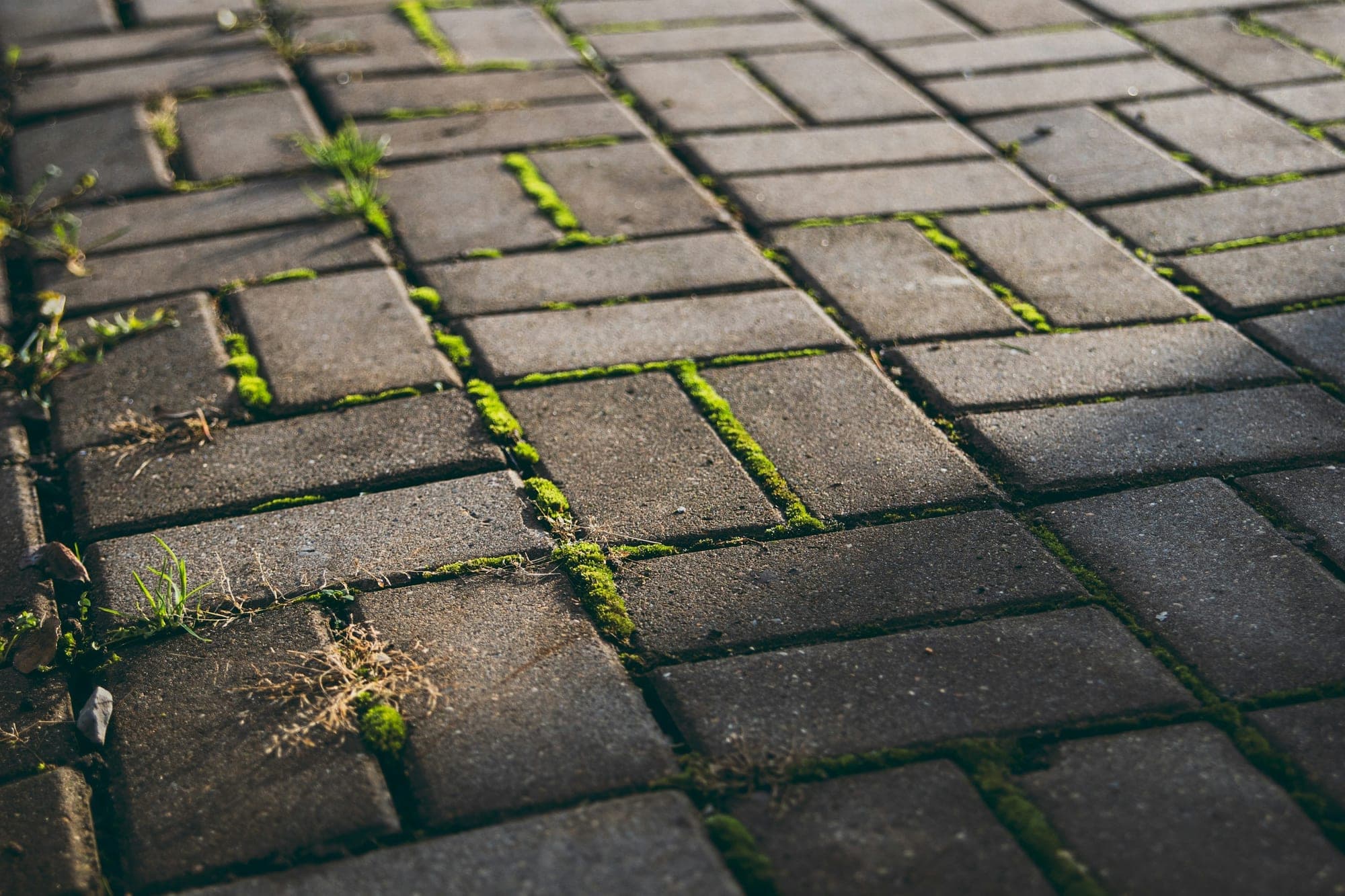
Weeds in paving joints are rarely a sign of poor work. Joints trap soil, dust and seed, and that is all a weed needs, which is why pulling the visible growth without closing the joint itself solves nothing for long.
This guide works through the options from least to most effort, and checks the home remedies against what the RHS and Garden Organic actually say.
Why do weeds grow between paving?
Seeds blow in and find a crack. The RHS says common arrivals are annual meadow grass, sowthistle and chickweed. Creeping weeds such as oxalis and speedwell spread in from nearby lawns or borders, and self-seeding border plants can drop seed into the joints.
How do you remove weeds from paving?
A tool that reaches the root beats any spray, because the aim is to remove the weed, not just scorch its top growth. The RHS suggests these:
- Weeding or block-paving knife. Run the blade along the joint to cut the roots, then lever the weed out with the hooked end.
- Paving brush. A brush with angled wire bristles scrubs moss and seedlings out of the joints.
- Dandelion weeder or weed puller. For taproot weeds such as dandelion. Where the root cannot be removed from a narrow joint, the RHS says cutting the top growth repeatedly weakens the plant and may eventually kill it.
- Hoe, for loose gravel. Use it on a warm, dry or windy day, and repeat through the growing season.
Which? says the same: for paving, a good hand tool usually works better than a weedkiller spray.
Does boiling water work?
On top growth, yes, and it is a reasonable option for paths. Garden Organic lists carefully pouring boiling water over the weeds as its first method for hard surfaces, and says treatments need repeating from time to time. Gardeners' World describes it as suiting paths, paving and cracks, with the caveat that it can harm nearby plants.
Take care carrying and pouring it. The RHS does not cover boiling water in its paving guidance, so the support here comes from Garden Organic and Gardeners' World.
What about vinegar and salt?
The RHS is clear on vinegar. On ground elder and bindweed it says using vinegar is sometimes recommended but is not an effective control, and it advises against household products as weedkillers. Its weedkiller damage page lists bleach, vinegar and washing-up liquid as products that can cause serious damage when misused, and its chemical-use page says home-made mixes can damage plants, soil and wildlife.
Sources disagree on salt. Gardeners' World gives a salt-water recipe for paving, while noting that salt harms other plants and will ultimately affect the soil's pH, so it should stay on paving and out of nearby soil. The RHS does not name salt, but its general warning about home-made mixes applies. Run-off from hard surfaces can also reach drains, and the RHS notes that this can pollute water.
Should you use a weedkiller on paving?
The RHS says it does not support weedkillers, and recommends hand removal, trimming or smothering first. It also says that targeted use of regulated products may sometimes be needed, and that if you use one you must follow the label strictly, which it says is a legal requirement. It adds that spraying hard surfaces where run-off might reach drains can cause water pollution, and that selling unapproved pesticides is illegal, so check any product against the Health and Safety Executive's register.
How do you stop weeds coming back?
Close the gaps, because an empty joint is an open invitation and pulling the weed out does nothing about the space it left behind. The RHS suggests two ways:
- Repoint. Fill the gaps with fresh pointing, and keep off the area until it has hardened.
- Plant the gaps. Low plants such as Corsican mint, stonecrop, creeping Jenny, creeping thyme and Mexican fleabane can be planted into paving gaps. Garden Organic also suggests chives or Mexican fleabane to crowd out weeds.
For a gravel area with perennial weeds, the RHS says to lift the stones, lay a heavy-grade biodegradable membrane, and re-lay the gravel.
Garden Organic adds that a new path or patio can be given a weed-blocking base, either a geotextile membrane or a thick, firmly flattened mix of hardcore and sand.
Where to put the weeds
The RHS says not to put weeds with runners, taproots or seeds in a home compost heap, since it may not get hot enough to kill them. Use council green waste or a local recycling site. Our guide to cleaning a patio covers the rest of the surface.
If you would rather hand the job over, our jet wash and gutter clearing service can be requested with a free no-obligation visit and written quote on the contact page.
Sources
- RHS: Weeds on hard surfaces
- RHS: Understanding and avoiding chemical use
- RHS: Weedkiller damage
- RHS: Ground elder
- RHS: Bindweed
- Garden Organic: How to manage weeds on hard surfaces
- Gardeners' World: Homemade weed killers
- Which?: Five chemical-free ways to weed your garden
This article sets out Aspen Rose's own reading of the RHS and Garden Organic guidance above, useful background on keeping paving weed-free, not professional advice for your particular path or patio. Every surface is different, so if in doubt, get a free, no-obligation quote and we'll take a proper look.
Paving weed questions
Is it a problem to leave weeds in paving?
Not always. The RHS says most UK weeds are native and support wildlife, so many gardeners leave them. They can make a surface uneven and slippery when wet, and look untidy in formal gardens, so remove them where people walk.
Can you use a weed burner on paving?
The RHS says weed burners are not ideal, because of fire risk, the fuel or power needed, and limited effect on deep-rooted perennials. Garden Organic accepts flame weeding occasionally, mainly for young weeds, and advises checking for insects such as ground beetles first.
How often do paving weeds need clearing?
Expect to repeat it. The RHS says to hoe through the growing season, roughly spring to autumn, and Garden Organic says non-chemical treatments need repeating from time to time. Closing the joints with fresh jointing or low planting reduces how often.
Related services
More from the blog
All articles →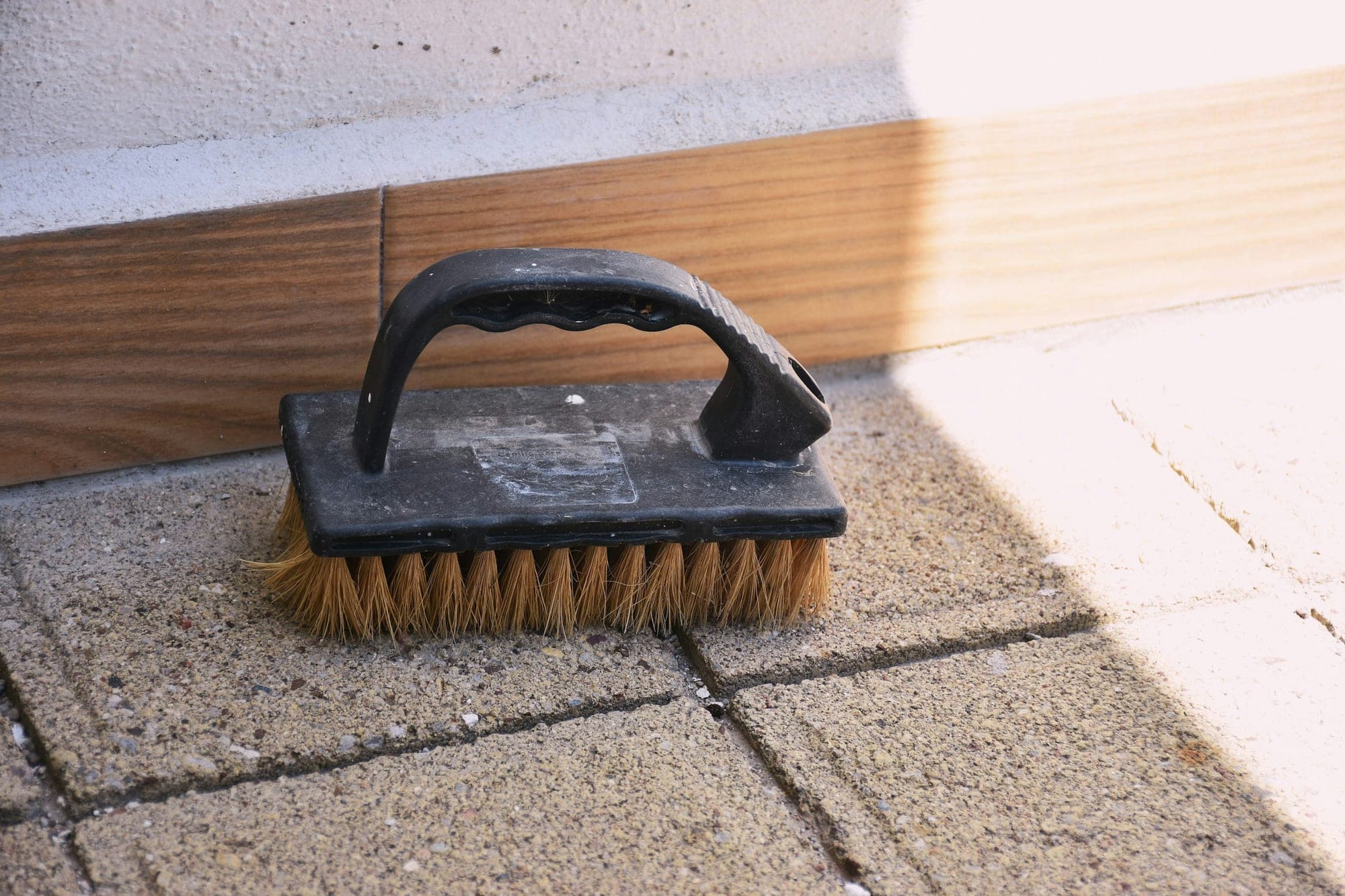
Want a hand with your garden?
Tell us what you have in mind and we'll arrange a free, no-obligation visit and quote.
Free, no-obligation visit · Mon – Fri: 9:00 – 18:30