
Garden problems
Gardeners: how to cope with hayfever
Gardening with hayfever is easier if you choose low-pollen plants, mow often, garden on cool or cloudy afternoons and wash off pollen straight afterwards.
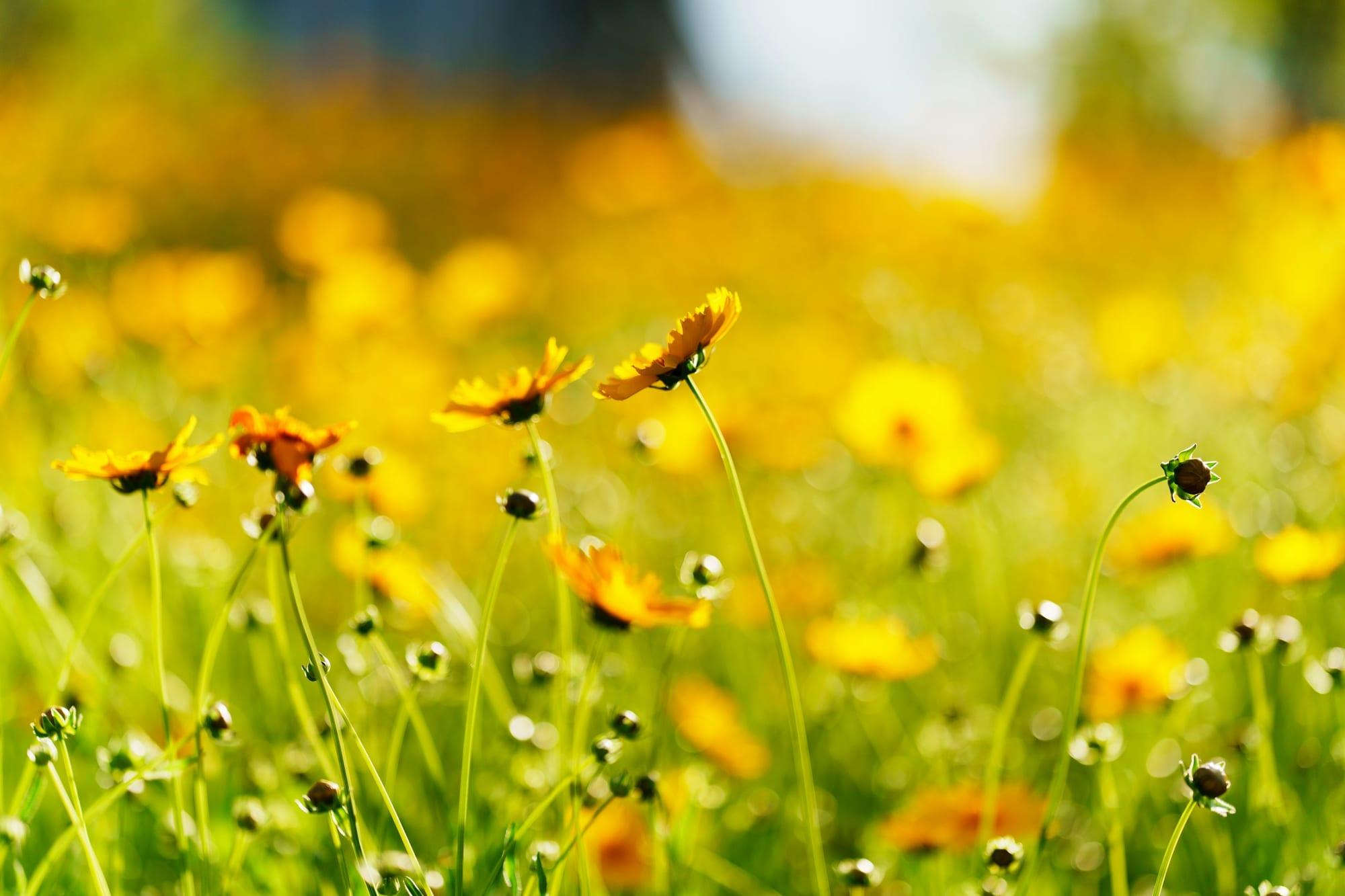
If you’ve been coughing, sneezing and spluttering more than usual at the moment, it’s most likely because pollen levels are to hit a 12-year high this week (June 18th), with the Met Office saying that the Midlands, and southern and eastern England on high alert where pollen is concerned right now.
Met Office spokeswoman Nicola Maxey said the pollen levels are so high this year because the weather has been perfect for it in 2018 so far, the Independent reports. The warmth, rain and subsequent dry days with a breeze here or there lifts the pollen off trees, plants and grass – so it seems as though hayfever sufferers are going to be struggling for some time to come.
But do you have to suffer in silence or is there something you can do to curb your symptoms, especially important for gardeners who love nothing more than being out and about in the fresh air, tending to their herbs and plants.
Choose plants that release less pollen
If you really do have problems with hayfever each and every year, you might want to think about exactly what it is you’re planting in your garden. Try to avoid planting very perfumed flowers as these can set you off. You could also help yourself by planting anything with double flowers as these release less pollen compared to those plants with single flowers and open blooms.
There are lots of low allergen plants out there that you could find really help you enjoy your garden at this time of year, without the itchy eyes and streaming nose. Look out for the likes of:
- geranium ivy leaf
- petunia trailing
- begonia cascade
- nasturtium
Perhaps give these a go and see if it has an impact on how you feel when you’re outside in the fresh air.
Keep the lawn short
Beyond that, try to mow your lawn on a regular basis as grass pollen is often the biggest trigger for your allergies. If you mow regularly, you can stop your grass from flowering, which means that less pollen will be out and about. Wear a mask when mowing so you don’t start sneezing as well!
Wash off the pollen and pick your moment
Once you’ve finished mowing or doing the gardening, get in the shower straightaway and wash your hair thoroughly to get rid of any trapped allergens. Don’t get back into your gardening clothes afterwards – put on something fresh and clean.
Taking antihistamines can really help, but you could also try using something like coconut oil around the edges of your nose to help block the pollen in the first place. Each time you blow your nose you will need to reapply it though, so it could prove to be more annoying than helpful if you’re constantly using your hanky!
Need help with garden clearance in north London? Get in touch with us today.
Sources
Related services
- Garden MaintenanceRegular garden maintenance across London and Hertfordshire — mowing, pruning, weeding and seasonal care from an experienced team. Get a free quote.
- Planting & DesignPlanting and garden design across London and Hertfordshire — considered plant selection and layout planning from Aspen Rose. Get a free quote.
More from the blog
All articles →
Want a hand with your garden?
Tell us what you have in mind and we'll arrange a free, no-obligation visit and quote.
Free, no-obligation visit · Mon – Fri: 9:00 – 18:30